

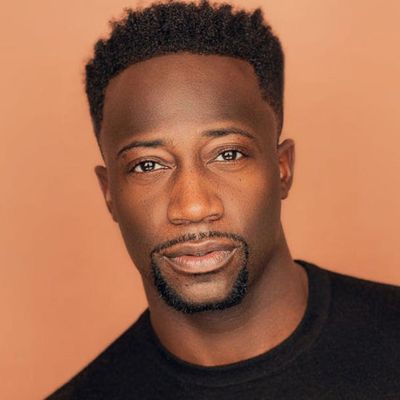
Think Alabama isn't a breeding ground for Broadway stars? Think again! This week, we're joined by the phenomenal Nick Rashad Burroughs, who defies expectations and proves that talent truly knows no geographical bounds... Read More
From the show: Why I‘ll Never Make It
Guests
Featured Shows
About
Think Alabama isn't a breeding ground for Broadway stars? Think again! This week, we're joined by the phenomenal Nick Rashad Burroughs, who defies expectations and proves that talent truly knows no geographical bounds. From his early life in a deeply religious family in Birmingham, Alabama, Nick's sports-focused journey took an unexpected turn with an accidental audition that led him away from sports and the idea of becoming a pastor.
Nick also shares the raw and inspiring story of how he reconciled his artistic truth with his upbringing, the deeply personal challenges he faced coming out, and the profound significance of his mother witnessing him perform in drag on a Broadway stage. We dive deep into his remarkable career, from his Broadway debut in Kinky Boots right out of school, to navigating the massive spectacle of King Kong (and its critical reception), and the intense emotional demands of portraying Ike Turner in Tina: The Tina Turner Musical. He even earned a Broadway World Award for his portrayal of Judas in Jesus Christ Superstar.
This is a conversation about trusting your instincts and committing to your authentic self, creating an extraordinary life even when the path is completely unexpected and requires immense courage and creative risk. This is a story about guts, grit, and the incredible rewards of fully embracing who you are.
Why I’ll Never Make It is an independent production of WINMI Media and Patrick Oliver Jones. To support the ongoing efforts of this podcast please subscribe or donate. Thank you!
Transcript
Patrick Oliver Jones:
When you think about places that churn out incredible artists, certain cities and schools spring to mind, right? New York, Los Angeles, Juilliard, Carnegie Mellon. Places often seen as the undisputed birthplace of creative genius and talent. But what about Alabama? It might not be the first state that comes to mind when you think of Broadway stages or Hollywood sets. Yet if you dig a little deeper, you'll find a surprising number of phenomenal performers who either hail from or trained in my home state.
Nick Rashad Burrows:
From Oscar winner Octavia Spencer and comedic.
Patrick Oliver Jones:
Icons Courtney Cox and Tony Hale to powerhouse vocalists like Nell Carter and even Magic Mike himself, Channing Tatum. Well, you can add today's guest to this list as well, proving that talent knows no geographical bounds.
Nick Rashad Burrows:
Hi, everybody. I'm Nick Rashad Burroughs. I'm from Birmingham, Alabama, but I live in New York now and I'm a Broadway actor, recording artist and overall doer.
Patrick Oliver Jones:
Nick came from deeply religious roots and was firmly on a career path leading him towards sports or the pulpit. Yet one accidental theater audition changed everything. He shares the deeply personal origin of his performing career and what it was like navigating the wild ride from Alabama to starring roles in Broadway's Kinky Boots, King Kong and the Tina Turner musical. Yet through his journey, he had struggles to reconcile his artistic truth with his upbringing. And then there were the challenges of coming out and what it meant to have his mother watch him perform in drag for the first time. This is a conversation about guts and grit and the incredible rewards of fully embracing ourselves and creating our own extraordinary path, even when it's not the one you originally planned. I'm Patrick Oliver Jones and thank you for joining me on season nine of why I'll Never make it, an award winning theater podcast where I talk with fellow creatives and about three stories or moments of personal struggle and professional hardship. Subscribers will get additional audition stories as well as early access to the episodes.
Patrick Oliver Jones:
The website is why I'll never make it.com where you can subscribe, donate and learn more about the podcast. Again, that's why I'll never make it.com.
Nick Rashad Burrows:
Well, hello Nick. It is such a pleasure to meet you. So glad to have you on the podcast.
Nick Rashad Burrows:
Hi, thanks for having me. Happy to be here.
Nick Rashad Burrows:
Well, you are one of the the very few and proud that have also come from Alabama like myself, Birmingham at that, where we both grew up in Birmingham. And, and I'm so curious with, with your experiences growing up in Alabama. What, you know, where the arts often take a backseat to sports. You know, that's its own religion.
Nick Rashad Burrows:
Yeah. Yes. It is.
Nick Rashad Burrows:
How. How was your experience in the arts, you know, in. In finding that path as opposed to some other path?
Nick Rashad Burrows:
Well, I grew up in church singing, and that was my outlet for the arts in any way at all. Just, I. I was the youth choir director. I was the worship leader, and sometimes I was on the trajectory of a youth pastor and would do the youth sermons. And so church was just a big part of my life. But also sports was the other thing that I was going to plan to go to college for either football or track. And so growing up, I didn't know what theater even was. So that came a lot later.
Nick Rashad Burrows:
But I got all of my start singing in church and singing in the choir, and that was like my first, like, you know, safe home.
Nick Rashad Burrows:
What. What was your first theater experience? Actually being on stage in that aspect.
Nick Rashad Burrows:
So my first theater experience. I remember during a summer, I got to do a production of Once on this island just because they were in need of black kids. And, like, they. They didn't have enough. And they saw that I was a singer in church and everything, and they were recruiting different kids to be a part of it. But I didn't know what theater was at that time. But I knew right before that I had seen a production of Ain't Misbehaving. And because I'm in Alabama, Reuben stuttered from American Idol.
Nick Rashad Burrows:
He was huge. He was the God of Alabama to us. So when we found out that he was in town doing a show called Ain't Misbehavin, I didn't know what a misbehaving was. I just thought he was doing a concert. So I went to see the show, and that was the first time that I saw people that doing theater that looked like me and was able to recognize what it was. And seeing these women in the show that look like my mom, but, like. And there's having this incredible theatrical experience. And I remember going home that after seeing that show and looking up the Tony performance of Ain't Misbehaving, and then from that, I saw Sutton Foster doing the Tony performance and forget about the boy from 31 and Millie.
Nick Rashad Burrows:
And then naturally from there, I just went on a wormhole. I was like, what is this? And I knew in that moment, that day that I wanted to do whatever that was. And shortly after that, I quit sports and started to do that. And so when I did this, now.
Nick Rashad Burrows:
That must have been a big decision. That was.
Nick Rashad Burrows:
I had to prove to my whole family that it made complete sense for me to get rid of something that I've been working towards to get a scholarship for college, but once they saw me in my. In a show, they knew immediately that. That this is what I was supposed to do. So, long story short, I did that production of eight minutes, but of once on this island as a kid, like, I was really young. And then I started getting curious about what the. Like, if. That. If I could keep doing that.
Nick Rashad Burrows:
And then an opportunity in high school came where I auditioned for a play by mistake. It was Just a Sin. And I was waiting around for my mom to pick me up in school because she was about 40 minutes late because she was doing something for my sister's school across the street, yada, yada, yada. So my friend was like, well, since you're waiting, you might as well come in and audition with me. This was a friend that had known me from singing in church for years. And so I got up there completely disrespecting the audition, being loud, not knowing any etiquette of what it is, not taking it seriously. And I got up there to sing. I didn't have sheet music, but I said, I'll be singing Summertime by Fantasia.
Nick Rashad Burrows:
It's not my. Fantasia is by Porgy and Bess. That's just how little I know. I just saw Fantasia sing it on American Idols. I was like, I want to sing that. So I did that. Did well enough. They asked me to read for a scene that I just thought was hilarious.
Nick Rashad Burrows:
And then I. But I had so much fun, but I just didn't know what I was doing. And then the next day, a friend told me that I had been cast in the play and the musical Songs from the World, a competition piece that we did a play called Separate but Equal, and a dancing musical called Dancing with the Unicorn. Oh, my gosh. It was hilarious. But I didn't know that I was cast. I didn't know there was a cast list to even look up. A friend told me, and in that moment, I was like, oh, so I have to do this now? Like, And I told my mom.
Nick Rashad Burrows:
I was like, but I'm probably not going to do it right? She's like, well, why did you audition? You. We're not quitters in this family. So from that experience, I did. Did those shows, met theater people for the first time, like, around my age for the first time. And, like, got to really understand that, oh, this is my kind of weird. I am these type of people. These. This is where I belong.
Nick Rashad Burrows:
And in that process, I won an acting award for the first play that I did, which was that competition piece I won Best Supporting Actor. And that's when I took the shift to be like, okay, I'm not doing sports.
Nick Rashad Burrows:
Yeah. I mean, there's nothing like an award and recognition to make you say, oh, okay, I like this.
Nick Rashad Burrows:
I was like, wait, I'm actually. I'm pretty good at this, so maybe let's try for this. That's where it started.
Nick Rashad Burrows:
No, and what's interesting is that in both sports and theater, there. There is a sense of similar discipline, persistence. You know, you have to work. The work ethic is there. So I'm sure you brought that to SP Sports. But like you said, you met theater people for the first time, that there are different people from sports people in many ways.
Nick Rashad Burrows:
Very, very much so. Very much so. Definitely the work ethic from sports is something that just translated into my life and how I do things in life in general. But I always. I joke and laugh about the fact that I always approach theater in, like, a very athletic way because of my upbringing with sports and because of my. And I also approach my singing with the way I was brought up, singing in the church. But musical theater has its own world that I just, you know, combined my experiences to. To this new passion that I didn't know about and.
Nick Rashad Burrows:
Yeah, well, as we get into story number one, we're kind of melding two of these things that we've been talking about. And the fact that in your pursuit of theater, you had to basically leave sports and also this idea of becoming a pastor in your. In the church, leaving those kinds of ideas and possible job prospects behind. And I'm curious, in stepping away from those. You know, it sounds like a huge identity shift for you. What. What was that shift and transition like as. As you made the shift into theater?
Nick Rashad Burrows:
Well, when I was making that shift into theater, I really was just for the first time, just like, really feeling like I had found my purpose in such a way that everything else was just like, whatever. Like, it was a. It was a shock, obviously, to my family and everybody, but I was just like, once I was doing it, I was like, what am I doing? I have to do this. I can't do anything else. I love this so much. And it, like, for me personally, it made so much sense, but I knew that it was going to be a big shift. But my family, like, so under. Like, when they saw me in my first show, they were just like, oh, okay, yes.
Nick Rashad Burrows:
You have to, like, I remember them. I remember being nervous about it and then them understanding, like, that I had. That this was going to be something that I was going to do because I was so annoying about it. All of a sudden I was just talking about this art form that they didn't know anything about. And I was just like they saw as. As an adult now I can picture them looking at me and like seeing like this brand new shift because it was pretty late for me. And then I just jumped in so hard. And I had a lot of teachers that would reassure my mom that they would take care of me about because they knew that the trajectory was a scholarship.
Nick Rashad Burrows:
And so I had teachers that made my mom feel very safe about that shift. And then she got on board. Like she really understood because it also helped on my football team at my school. No Shades or Shades Valley, but they were terrible at the time and I was worried that I wouldn't get a scholarship with a really bad school. So track was going to be the next option. But track didn't start until later in the semester. So I was doing theater first. And so I just.
Nick Rashad Burrows:
By that time where Shrek War track was about to be like a secondary option, everyone in the family had seen me in shows and I realized that I had found a brand new like passion and purpose and that I was going to go after it. And as far as like being a pastor, that was. It was just. My mom is a pastor and so was my dad before he passed. And it was just inevitable. Like, it was an like my. I was brought up in the church. It was all these things, but it was.
Nick Rashad Burrows:
I love my relationship with God and, and I love church. Culture is one of the most exciting things in the world to me. I find it entertaining it theater to me. But it just. I learned quickly that that was not my story that and, and I learned quickly there was nothing wrong with it. I was just doing what I thought I had to do. And then I found out what I was meant to do, which was this and how.
Patrick Oliver Jones:
How much of your.
Nick Rashad Burrows:
Your theater path did your dad get to see before he passed away?
Nick Rashad Burrows:
He didn't get to see me get into theater. He passed when I was about 12 years old. So. No, 13 years old. And I was heavy in singing then. My dad taught me to sing. He was an incredible singer. And so we wrote songs together a lot and just sang in church a lot.
Nick Rashad Burrows:
Like we were like, you know, that was like a family thing. My family's very musical. My sister is a great singer as well, plays the piano. My mom, trumpet player and drummer. Me and my dad always sang. It was just. We were a very musical family. And so the church is how I just, you know, trained in music at all and.
Nick Rashad Burrows:
But he never got to see this side, see me getting to do theater. But I know he would like. He's the most. He's the reason I'm in it. He's a theatrical guy. My mom is more chill, and my dad was like, balls to the wall. Just crazy energy all the time. And that's who I got it from.
Nick Rashad Burrows:
So it wouldn't be too much of a shock for him if he saw it.
Nick Rashad Burrows:
Now.
Patrick Oliver Jones:
I grew up in the church as.
Nick Rashad Burrows:
Well, and I'm curious about how your family saw. You know, certainly singing in a church is one thing, but singing on stage and some of the subjects that we tackle and the characters we have to play may not be something that you would do in church. How has your family reacted to playing parts that are not exactly church appropriate?
Nick Rashad Burrows:
Well, that was always tough because, like, before I even got to do Kinky Boots on Broadway, one of my favorite shows in the world was Jesus Christ super is not. Was is Jesus Christ Superstar. And I got to play the role of Judas in Jesus Christ Superstar. And I was so excited to play it. And I remember telling my mom that I was going to do it. I told her that I was Judas, and she was so annoyed and so upset and could not understand. She was. It was hilarious.
Nick Rashad Burrows:
I was like, mom, I'm gonna get to play the role of Judas in Jesus Christ Superstar. Judith. Huh? Don't you act as have to believe what you're saying. I don't understand why you would want to do that, Nick. That's just. Doesn't make any sense to me. And then I was like, no, I'm not Judas. Like, it's all.
Nick Rashad Burrows:
It's just make believe. It's fine. Like, I did really convince her on that, and she did not love the idea of that. And when I saw. When she saw the show, she didn't want to. She didn't even want to take a picture with me. She wanted to take a picture with Jesus. She was like, your pants are too tight, son.
Nick Rashad Burrows:
But, oh, let me go take a picture with Jesus. Let me see. Get my picture with Jesus. Like, happy about that part, but still so annoyed that I would play the man that betrayed Jesus. So that was a hilarious hump. It wasn't a big one, but the real big hump with my family is when I made my Broadway debut playing Kinky Boots. And that's where I play a beloved drag queen. And when I was out, I got the audition for Kinky Boots.
Nick Rashad Burrows:
During my senior year of college, I was just telling my mom that I had this big Broadway opportunity and audition. But I didn't. But I didn't tell her what it was because I didn't think that I was going to get it. But the fact that I had gotten a call back in my mind, I was like, I'm too young to book a big job like this, but if I do a great job, they'll, like, think of me for the future. That was always my mindset. I was like, I want it, but I know how this goes, people. I was 20. I was not even 21 yet.
Nick Rashad Burrows:
And doing these. Well, no, I was. Yes. Yes, I was 21 from the audition process.
Nick Rashad Burrows:
Now, being in Alabama, how did you get an audition for Broadway? Kinky Boots.
Nick Rashad Burrows:
What.
Nick Rashad Burrows:
What was that? Journey.
Nick Rashad Burrows:
So during my senior year, we do the senior showcase, our University of Alabama daily senior showcase, where we have a setup where it's like a weekend where we take a trip to New York. Our faculty, theater faculty has set up for multiple agents, casting directors, and, you know, anyone in casting, anyone in any influence in theater at all, invite them to see us perform. Like, basically like an audition packet where we do, like, a monologue or scene and then a song, something of our choice to show off what we have. And I remember doing a scene from A Different World, the TV show and I song, I sang Heaven on their minds from Jesus Christ Superstar. And from that, I got calls for agencies and different things. And the agency that I was with before I even signed with them, they said to me, they're like, we want you, but you need to be in for this show immediately. So we will submit you for the show even though you're not signed, but you need to find a way into the show because you're just so right for it. I was like, thank you.
Nick Rashad Burrows:
And it was a great way to make me sign with them, because I was like, what? I'm getting in on this shit like this. So I sent in a tape. And then I remember the next day getting a call that they wanted me to be up there by tomorrow, the next day.
Nick Rashad Burrows:
And so you booked it from a tape?
Nick Rashad Burrows:
Well, I didn't book it. Not just yet.
Nick Rashad Burrows:
You got the call back from a tape?
Nick Rashad Burrows:
I got the call back from a tape.
Nick Rashad Burrows:
There you go.
Nick Rashad Burrows:
And had to. I left my math class called. My mom was like, hey, I need to buy a plane ticket to New York today. They need to see me tomorrow and start that process started. I for. And I was just, ma, this is a big audition this is what I've been talking to you about. This is the Broadway people. And she was like, the Broadway people.
Nick Rashad Burrows:
But you said you were not going to get the Broadway thing until you were, like, at least 30. I was like, I know, mom, but here it is. It's happening right now. And so I did the callback. It went really well. And then they started to see me for Lola on the tour that was auditioning for Broadway and also auditioning for the tour. And so I went back home, and then I started to practice, practice, practice, practice. And I knew that I had another callback coming up in a week or so, and I would.
Nick Rashad Burrows:
I remember getting a job at a restaurant so that I could pay for, because I did seven callbacks in a month's time where I flew back from Alabama to New York. And they did not care that I was in Alabama. They just. They were like, well, if you want this, this is what you're doing. Because they didn't know who I was. I mean, I was this kid out of school making it and making it through gruesome rounds. I'm talking seven callbacks for this show. I've saw every black actor in New York City that.
Nick Rashad Burrows:
For that. For this audition period for the role of Lola. And they kept flying me back, and in a month's time, they announced that the touring cast was cast. And I was heartbroken because I thought that that's what I was gonna at least be up for. And then while I'm in the airport on my way back home, I get a call. This is after seven callbacks. I get a call, and they're like, hi, we know you auditioned for the national tour of Kinky Boots, but we would like you to be in the Broadway production understudying Billy Porter as Lola. You start rehearsals next week.
Nick Rashad Burrows:
Are you in?
Nick Rashad Burrows:
I was like, now, at this point, did you know who Billy Porter was?
Nick Rashad Burrows:
Oh, my God. I have known Billy Porter for years. Before that, after I did that deep dive of theater with the Tonys, like I did when I was in high school, Billy Porter became one of my biggest inspirations. I mean, I studied him. I quite literally studied Billy Porter my entire senior year, because I knew that I had, like. I knew that he was doing a role that I would have wanted to be in, which was Kinky Boots. So I spent my entire senior year just, like, studying him. But before that, before Kinky Boots, he's just a ginormous representation for black theater artists at all.
Nick Rashad Burrows:
He's opened so many doors that I could not. Not See him and learn from him if I tried. So he just, in my mind, was this huge person and here I am auditioning to be in the show that he was doing. I couldn't believe it. And then when you tell me that I booked the show and that I am going to be understudying him, it was an out of body experience every single day. I was so nervous. I'd only been in Alabama my whole life, and now all of a sudden I'm in New York City understudying a person that I have studied my whole college career. And it was all overwhelming.
Nick Rashad Burrows:
But he was incredible to me. He. It was very hard. And he was one of the only people that really opened up to me and like, because I had to get the, you know, the freshman blues, if they were like, let's see what this kid's got. That was a lot of that. And then a lot of that goes on in Broadway, but I did not get any of that from him. He was a helping hand. And I remember him taking me out to dinner and giving me advice about how to be a black leading man in this industry and like, the things that come with it and the things that you have to do and the work ethic that it calls for, and that was a conversation I will never, never in my life forget.
Nick Rashad Burrows:
It was one of the most impactful conversations of my life.
Nick Rashad Burrows:
That gets us into your second story about joining Kinky Boots and to be with someone you know. Certainly Kinky Boots put Billy Porter in another stratus. He was already well known and established on Broadway, but that kind of put him in another. Another level altogether. And meeting someone that you had studied or, or that you had kind of been learning from and watching and now getting to work with, what was it like? You know? You know, you hear these stories about meeting your idol and it either kind of exceeds or lowers your expectations. It sounds like yours was a, a good meeting with him.
Nick Rashad Burrows:
Mine was. Mine was a great one. It. It was what I needed to be exactly where I am today. I mean, and I'm sure if. If, if he paid me dust and didn't talk to me, I'm sure I would have learned a lesson from that. I've had those types of things where people I look up to have done that to me. And it taught me, like, sure, it could be annoying or anything, but it teaches you that who you want to be like or how that made you feel.
Nick Rashad Burrows:
Some people will get paid dust by their favorite celebrity. Like, oh, I love that. That's so iconic. Of course he doesn't have time for me, like, but, like, you know, it's a. I take it all as a learning lesson, but I was a fish out of water. I was this kid from Alabama who didn't know anything about New York. I just had an opportunity and I took it. And he understood that, and he looked out for me.
Nick Rashad Burrows:
And I was also going through a lot with the shift of, like, moving to New York and my family not even knowing what I was auditioning. So when I booked it, that was very tough for my family to see me as a drag queen. And Billy Porter also knew that part of my life, and he was a helping hand in that because me and my family are great. I love them so much and they are so supportive and they're wonderful. But during that chapter of my life, I lost connection with them over playing this role because that was something they just couldn't understand and get by. And I knew that it would be that way. I never judged them for it. It hurt, obviously, but I know my family well, and it took me such a long time to come to terms with who I am and how I identify my sexuality and what I believe in.
Nick Rashad Burrows:
It took me so long to find all these questions for myself as an adult. So I knew it would take time for them, especially me going. Coming from being a football star, track star, the person that they think is going to be the new pastor of the church, and then I'm across the street on Broadway playing a drag queen. It's a lot I'm. That's not lost on me.
Nick Rashad Burrows:
Within that journey, was there ever a thought of, am I doing something? Am I on the right path? Do I need to choose a different. A different way?
Nick Rashad Burrows:
I remember, like, being so excited about when I got it, but I remember questioning God a lot, that I was like, this is all I've ever wanted. But why does the first job I get, the job that is going to, like, undoubtedly make my family stop speaking to me? Like, I. I remember being like. Like, I'm so excited. This is amazing, but this is too much. This is actually too much for my family. But in me realizing that doing Kinky Boots saved my life, I was holding on to a whole bunch of things. My.
Nick Rashad Burrows:
Like, I was just denying my queerness and because of survival and nothing more other than survival, like, being queer in Alabama is. Especially at that time, it's just.
Nick Rashad Burrows:
I think there's probably a few years between us, so. It was the same for me growing up, too.
Nick Rashad Burrows:
Yeah. It's just. It's just you know, it's not. It's not. You don't. You don't feel the safest to be that. To be who you are. So I had all this oppression and.
Nick Rashad Burrows:
And ignorance about myself that. That show. I learned so much about myself. Even though I felt like I lost my family during that production, I learned so much about myself that healed me in a way that I don't regret anything of how it happened. I don't have any malice towards my family because we were all just learning at the same time. But, yes, I was very much hurt by that, but it took about. I lost connection with my family for about seven years. And during the pandemic is when I rekindled things.
Nick Rashad Burrows:
And. And throughout all of that, I knew they were very proud of me. It's just. They didn't understand the journey that I was on. And one thing like, that could make people from the south, like, just, you know, they're worried about their reputation, they're worried about what other people are going to say. And that is where all that oppression. I grew to learn. And then I was just breaking from that, just from one show.
Nick Rashad Burrows:
And. But through and through, like, after that chapter of my life, things were up and down with family. But now, I would say that now as an adult, looking back on it, it was just my mom, the leader that she is, the. The. The. The iconic figure that she is, she is also human. And she was also just trying to navigate that experience with me, just as while I was trying to navigate. Well, it was hard, but it's great now.
Nick Rashad Burrows:
Yeah. Yeah. I mean, my. My mom was the same. And growing up, you know, they. They. They have a certain vision of us. They have a certain path that they want us to take.
Nick Rashad Burrows:
They have the, you know, they have their own dreams for us, and then for us to deviate from that, whether it's professionally, personally, mentally, emotionally, you know, it. It can take them a while to see us differently and to know that we are. We're different from who they thought we were going to be.
Nick Rashad Burrows:
Yeah. Yeah.
Nick Rashad Burrows:
That is.
Nick Rashad Burrows:
Yeah. Yeah. But I couldn't spend the rest of my life being mad at this brilliant woman, and she couldn't spend the rest of her life being mad at me. So we, like, taught each other a lot during that process.
Nick Rashad Burrows:
And apart from this, this personal growth and obviously with your family, transitioning and growing with them professionally, going to kinky boots, you know, you're, you know, coming from Alabama now you're in New York, a new city, a new place, a new stage and new Expectations. What was that professional growth like? Like, like you said, fish out of water. You're in a huge pond now. And so, yeah, that must have been quite a professional shock as well.
Nick Rashad Burrows:
It was, which is why I cherished that time that Billy Porter took with me. Because it was hard. It was not necessarily fun either. It was like, I was like, oh, Broadway is a job. You can dream and love it all you want, but it is hard work. And it is, it's hard work to get because it is hard to do every day. And, you know, it's, it's no different from being an athlete, truly. Emotionally, you have to whip yourself into shape, and physically, you have to whip yourself into shape.
Nick Rashad Burrows:
It's actually more gruesome than being an athlete, I've come to learn, is depending on the show. But even if it's not physical, like, you, emotionally, you have to, like, really take care of yourself and learn about yourself and what you can handle every single day with these stories that you have to tell. Honestly, while. For people that are paying a lot of money. So I just learned a lot, and it focused me after that contract. I just got, like, such a drive and a focus after feeling like, honestly, you know, feeling like I was failing because I was trying to figure New York out, trying to figure out subways while I'm doing a Broadway contract. Like, it was tough. I'll never forget how hard it was.
Nick Rashad Burrows:
But that one contract taught me so much about this industry and how it goes and, like. And I never wanted to be the youngest person in the cast ever again. I hated the, the little brother feeling so much, so I allowed that to just teach me. So much so that I never, ever had that little brother feeling ever again.
Nick Rashad Burrows:
Oh, yeah, no, no. I, I, I came to New York when I was 36, so I, I never, never got to experience the younger brother thing. So I, I was always kind of in the middle, and now I'm starting to get toward the older side, so it's, it's a whole other journey. But, but, but coming to New York, especially from Alabama, I, I certainly know it's not just navigating the city. Obviously, it's a huge metropolitan and so just the physical dynamics of the city. But the, but the personal, the emotional, the like, it's a different vibe, it's a different mentality to be in New York. There's a, there's a jadedness, a cynicism that you can get into, and I've certainly felt that. Have you felt any of that in yourself coming from the south and our Southern hospitality ways.
Nick Rashad Burrows:
I, I realized that the thing about me that people love to joke about and, and like, was just so shocked by was quite literally my superpower. It was the thing that made me unique in the city because I was very different. You know, people from Alabama and people from New York are complete opposites. And the way that I go about life was always the complete opposite of how somebody else did. Like, I felt like. And also my accent, you probably don't hear it as much right now, but, I mean, if we continue to talk a little longer, you would, it would be night and day. You wouldn't understand, like, well, no, you would understand what I'm saying, but because you're from Alabama as well. But when I first got to New York City, I felt like every word I said was like they did either didn't understand it or couldn't believe that I was speaking that way.
Nick Rashad Burrows:
Like, and my hugging everyone and, and always being so, like, polite and like, rarely ever showing anyone me in a bad mood was just, like, odd to so many people. And then I remember, like, once I, like, got into, like, the groove of New York and reeling the toughness. I remember one someone literally said to me once, it was just so hard because you were just always so happy all the time. But you're such cool. You're so cooler now. When I, like, have one day of being jaded in New York City, then everybody was like, oh, we like him. Like, no, this is crazy. But yes, there was a night and day different with being like a Southern boy from Alabama to then all of a sudden being with a bunch of Broadway vets from all over the world who have been in this industry for years.
Nick Rashad Burrows:
But it was all like, but those people are my friends today. It's that the, like, the people that will make fun of you to your face and joke and laugh with you to your face that you can do it back to are usually the ones that you stay. At least for me. But yeah, it was a lot of that. But like I said, the, like, the little brother experience on top of that, people just being like, who is this kid? But yeah, but I can't. That's what made me where I am today. I can't lose that Southern charm.
Nick Rashad Burrows:
No, it's still there with me. Like, like, I, I, I get annoyed when other people don't, don't have consideration and thoughtfulness about, like, like, what are you doing?
Nick Rashad Burrows:
Come on. What do you mean? Why would. But people are completely different.
Nick Rashad Burrows:
Well, I'm curious. As you left Kinky boots. I mean, you know, you're understanding this great, like, iconic role now in musical theater. Was there pressure on yourself to be like, okay, well, I've achieved, achieved this level. I can't go back, I can't go down. I have. I need to keep going up.
Nick Rashad Burrows:
Oh, yeah, that was wild pressure. My name around the theater industry was that boy from Alabama because I had beaten out a lot of people that did that. Couldn't believe that someone that was 21, like, people knew about me before. I come to learn that people knew about me before I even got there because in my audition process, they were like some kid from Albert. So I had this. I could feel the energy of the Broadway community having this lens on me when I got there. I'll never forget that. I was like, so excited to be there.
Nick Rashad Burrows:
And then I was like, oh, this is the Hunger Games. Because, you know, it's a competitive thing. A lot of people wanted to play that role. But when that position opened up during that time, and so I felt a pressure as the, as what people called me, that kid from Alabama, to break out of that and be more than that. And so I, and cut to that conversation I had with Billy. I really just. But it was also still very much a learning process for me. But I was so determined to like rock that experience out and so that I would just become what I wanted to be, which was a Broadway bet.
Nick Rashad Burrows:
And then from that show, from everything in that experience. I'm very grateful to say that I haven't really stopped working since.
Nick Rashad Burrows:
That is always a good thing. Yeah. In my 17 years of coming to New York, there was like an 11 month stint that I was unemployed. But that, that's the longest I've gone. I, I've thankfully and blessedly stayed, stayed working throughout my, my time in New York. So it's, it's. Which is not easy. It's, it's very rare in this.
Nick Rashad Burrows:
Not easy. Crazy. Yeah. It's crazy how we have to forever navigate our income. Even though you went to school for something for, for four years to be like, so that you could be set and other people just get one job and they're set for life. I have to get the hardest job of my life over and over and over again.
Nick Rashad Burrows:
As we get into story number three, we're going to talk about one of the shows, one of your more recent Broadway shows, Tina the Musical. And in getting into that one, you actually, you actually went from, from King Kong, that massive spectacle, into Tatina. Yeah, right, right. Yeah, yeah. Because King Kong was more about the technical, the scale of it. I mean, you have this huge.
Nick Rashad Burrows:
How athletic that show. Oh, I bet. So athletic. Every single person on that stage is quite literally working their entire body using strength. Not just energy strength for that show, but it is very exciting. I love that cast.
Nick Rashad Burrows:
And something like Tina that's. That's. It's much more grounded in that. In that raw emotion, the human trauma of it. How. How did you navigate or what were these two experiences like in going from one physical to one more emotional?
Nick Rashad Burrows:
Well, doing Ike Turner on Broadway was actually pretty physical as well. I had to do a really intense fight call because if you know the story of Tina Turner, she went through a lot of domestic violence. And Ike Turner was an abusive husband, an abusive guy all around, and had serious anger issues. And that's a big part of the show. And what I, as Ike Turner, had to do. And it's very intense emotionally to have to tap into such a flawed and angry and hurt person. I had to play anger, hurt, and violence every single day. And, you know, obviously we're acting and nothing's real, but, like, when you have to find that type of emotion within yourself daily, it can be emotionally exhausting for your natural person, like, who you are.
Nick Rashad Burrows:
It can bleed into your life. And I've seen it happened to friends. I've talked to people. When I was doing the role for the first time, it was happening to me where I would just. After doing one show, I would be in such a dark place, you know, because you just said only and did only, like, gruesomely dark things. And don't get me wrong, like, the role of Ike Turner is, like, also iconic and fun because you're just playing one of, like, an American villain, which can be fun, but it's still an American villain that is rooted in human, like. Like truth and, like, bad things about human truth. And yeah, I remember having a conversation with Daniel Watts, who I replaced in the show.
Nick Rashad Burrows:
He was the original Ike Turner on Broadway. And I was in. That was my first time being an original Broadway cast member. I was the understudy for that. And then later on took over for the Little Dyke. And I remember the advice that he gave me. He was just like, you have to make your everyday or your room or like, whatever your space is, has to bring you joy, and something has to bring you joy in this theater every day or playing a part like this will either. And he said it to me in such a way that it was like, he's telling me this because I like, he I really needed to hear it.
Nick Rashad Burrows:
And I took that because I was like, you're helping me right now. And my dressing room. I worked. I always wanted. When I had my first lead on Broadway and my first by myself dressing room on Broadway, I always said that I would do it up to the nine. And my dressing room was so huge. Dave Chappelle had that dressing room before me. Like, before the.
Nick Rashad Burrows:
No. Well, Daniel. But before Tina, Dave Chappelle was in that dressing room, and it was just like. For his special. And it was just like this giant space, two rooms, couches, multiple, all these things. And I was like, it's my time. It's my turn. I have to turn this place into a haven.
Nick Rashad Burrows:
And I did. I spent so much money for no reason, but I. I had. I turned that place into a green room, essentially because the role of Ike Turner is so by himself. He's. He's the boss, so he doesn't talk to anyone in the ensemble. Only person he speaks with on stage is Tina. So my track itself was so lonely, but I'm this extroverted, loud, screaming, happy guy, and I was just playing someone completely opposite of me every day.
Nick Rashad Burrows:
And I just. I needed to create a space that would make that cast come into my room and pour into me. And, like. So I, like. It was chips everywhere. I was the party room. My room was the party room. And that was my healing thing.
Nick Rashad Burrows:
Because if I were to stay alone and stay isolated, some people. Some actors really do need that. Some actors really need to be isolated and really locked in and focused, and that is amazing. That is not how my sweet little soft spirit can handle things. I need to not. I need to separate from. From certain roles that I do, especially if they have to be so. So like, emotionally charged in darkness.
Nick Rashad Burrows:
So, yeah, and that cast is one of. As the people in that cast are still pinnacle people in my life today, we really created a bond, especially after going through the pandemic together, and then all of us living in the. In the same. We all lived in Harlem, so we were each other's pandemic bubble. We would see each other for the majority of the pandemic. And then when we reopened, we all came back. It was just. That show was so special to me, and they.
Nick Rashad Burrows:
The people in that show really kept me grounded because they also knew that. That playing that part every day could be emotionally exhausting.
Nick Rashad Burrows:
So, yeah, I'm curious. I'm curious what you learned about yourself exploring such a dark character.
Nick Rashad Burrows:
What I taught me about myself is how to tap into Being a leader, like, I always, like, with my growing up, I've always felt like a leader, but I started in the industry so young, and, you know, no one wants, like, I. There's a sense of knowing your place and paying your dues and knowing when you can take char, when you can take up space, and when it's not the best idea to take up space. But playing the role of Ike Turner, that was a person I had to, within myself, learn how to take up space. Every space that that man entered, he was this daunting, big presence. And I am doing that part. I've really found out how to be that leading man that Billy Porter talked to me about years ago at that. That. When we took me to dinner, because here I was creating a space for people to come in.
Nick Rashad Burrows:
I mean, my. My dressing room was also a therapy couch. I. I just. But everybody doesn't hesitate to take this on. But I wanted to take on, like, being a leader in that building and being a shoulder or a person for advice. And so tapping into that on stage really made me tap into that in my personal life. And I feel like during that show, my leadership skills, I remember, grew because I had no choice but to be a leader.
Nick Rashad Burrows:
I am. I am one of the leading characters in a full Broadway production. And, you know, I've come to learn that the integrity and the heart of a company starts from the top up. And if everyone. If. If there's a good foundation from the top, that trickles down to a positive workspace. And that was something that I always wanted. And the fact that me and my Tina family, I mean, I just.
Nick Rashad Burrows:
Just this weekend, I left from a trip to the lake with my Tina fam and that from that show from years ago. And something like that means a lot to me. Like, I value that in every show, and I take that with every show now. Like, you know, doing a Broadway show is such a gift, because, yes, you're doing what you dream of and all that, but it's very hard, and it's very demanding on so many different levels. And it strengthens you. It strengthens your, like, ability as an actor, a performer, but, like, quite literally a leader. Like. Like, the things that you have to tap into and the.
Nick Rashad Burrows:
The intensity and the push that being a lead in a show like that will give you is something that I use in my life. So I feel like I really learn a valuable lesson in every single show I've ever done.
Nick Rashad Burrows:
And I've spoken with other people who've done Broadway, and, you know, some have given this idea of, well, Broadway is just another stage, it's another venue. And so in many ways it's like, whether it's community theater, Broadway, it's still a show. You still have to tap into the care. You know, there, there's. There's a similarity. And so I, I guess in some way that they were kind of diminishing the bigness of it because it's still performing at its basic. It's still the same no matter where you perform. But from listening to how you talk about it, it's that behind the scenes, it's that backstage stuff.
Nick Rashad Burrows:
That's where Broadway certainly takes on a different level. A different. A different part of you has to come out.
Nick Rashad Burrows:
Yes, absolutely. And it's hard. It's harder than you, than you think. And you have to be vulnerable and about accepting that and being messy in front of like, your castmates while you're figuring, especially in a rehearsal process. But, yeah, but if you create a safe space to work as an artist, if you're a leader in that sense, can everyone has a safe space to be the best version of their self for that rehearsal process or the show? You know, And I was just lucky to have the group of people that I did at Tina.
Nick Rashad Burrows:
And you had mentioned that, that your King Kong family, that you enjoyed them as well, but that show was not quite as well received as Tina critically or audience wise. And so that must have been a different. A more difficult challenge in that way.
Nick Rashad Burrows:
Yeah, it was tough to like, I always, Anytime, anytime someone mentions King Kong to me, the first thing out of my mouth is that that was the hardest show that I have ever done. I felt like I had to use every single bit of the training that I ever learned from high school, all the way theater, any works. Like, I had to figure it all out for that one production. And then most people didn't love that show. And like, having to be like, wow, like that was. It's crazy to hear that when you're just like, the people I'm working with are doing extreme things and it can just still not be received well. Now there were still people that it had its successes and there were people that really enjoyed it. But it did commercially get one of the most, I mean, viral at the time.
Nick Rashad Burrows:
One of the most viral, like, reviews, because that was during that time. That was a section in time where everybody was getting really trashy reviews. So much so that a lot of actors started to speak out against it because they were just so, you know, mean. But I joined the show, I was the. I was actually the first replacement for King Colin during the Tony season. James T. Lane had left to do Kiss Me Kate in that same season. And so the show was only open for a month or so.
Nick Rashad Burrows:
And when I did it. So it's like this feeling of, like, I feel like I'm in the original Broadway cast, but technically I'm not. I mean, I was there for the Tonys. We won a special Tony award for the puppeteering work. So there were, like, things like that that were, like, nice about it. But for the most part, I was like, dang, I'm doing the hardest work I've ever done. And this show is just like, no one cares. And you have to.
Nick Rashad Burrows:
You have to also sit with that. Like, that's my job every day. And so you have to find. And like, yeah, it's different. But everything I learned from that, I brought into the next show. I learned how hard I would ever work ever again. I told myself I never want to work this hard again unless I am. Unless somebody is at the finish line with a Tony for me or something.
Nick Rashad Burrows:
Like, it was crazy what we, every cast member had to do. But, yeah, very much a learning experience. And to learn to what, like. And I was grateful for it during the whole time because I could have just been miserable about it.
Nick Rashad Burrows:
Well, I've taken part in national tours, but have yet to make my Broadway debut. But you, in the same way you've done a couple of national tours with Moulin Rouge and Something Rotten. How would you say that comparison is to being on the road and doing essentially a Broadway show as opposed to being in New York and doing one?
Nick Rashad Burrows:
Well, there's not too much difference at all, honestly. I mean, except for the travel. The travel is obviously undoubtedly a big part of, but depending on how you decided to. To go about it, it's can be very, very exciting, thrilling and amazing if you have to. Just anyone listening that. That wants to go on tour. If you want on tour, you just have to accept that you're on tour. You're still doing a Broadway production, but just you.
Nick Rashad Burrows:
Like, I don't mind the hotel life and. And all of that because I'm an adventurous guy. I like to go see different places. And I was lucky enough to have Rob McClure as the lead in when I was on tour. And that is a person that as another person, when I mentioned, like, it starts from the top up. If, like, someone is, like, such a great leader. If someone is, like, so adventurous and so fun, then that it, like, sparks that also the cast is something like that first year, we went everywhere together. We went to Disney World, we went to Universal Studios.
Nick Rashad Burrows:
We went to, like, every museum, like, as a unit is because Rob McClure really poured into all of us and knew that, like, yes, we're doing this Broadway show, but we're also all we have for this entire year. So let's just, you know, lock in the best way we can. And I remember, like, learning from him on that, that I was like, oh, this is a. This is a positive touring experience because everyone made the decision to, you know, we're doing it, so let's have fun, and let's actually just go for it. So for me, touring is no different, except for you have more opportunities to, like, see the world. And, like, honestly, you have more opportunities to get closer to your cast because they really are your chosen family for that chapter of your life. Absolutely. The only difference with Broadway is you could really just go home and not see anybody if you didn't work.
Nick Rashad Burrows:
The only difference I've come to learn that has led. The only difference. It's all. It's gruesome, and they all expect the same things from you.
Nick Rashad Burrows:
Yeah. It's interesting as you talk about that, because I'm thinking back to my first national tour with Adams Family. We had Douglas Sills. Douglas Sills, great performer. And he was. He was that perfect kind of leader. I mean, he. He was definitely someone that all of us knew by.
Nick Rashad Burrows:
By. By first name. And we'd go to his dressing room, kind of like what you were talking about. And then it's interesting, the next tour I had was Evita, and Caroline Bowman is amazing, but she had that role to do, and so she was more limited in how out there she could be because she had to conserve for that demanding role. And so it.
Nick Rashad Burrows:
It.
Nick Rashad Burrows:
It really can depend. And both of them were leaders in different ways.
Nick Rashad Burrows:
And.
Nick Rashad Burrows:
But it's interesting, when Douglas Hill is playing Gomez, it's a bit more of a fun role, and he could just kind of roll out of bed and do that one. He had just more of a chance to be with us, whereas Caroline had to take care of her body in a different way. And so that. That leadership can show up in different ways.
Nick Rashad Burrows:
It really can. And that's why I was saying that, like, people. Actors are actors in their process. Everybody is different. I just knew that, like, the leader that I wanted to be, the leader that I needed to be so that I could show up to work every day, is the person that can't be isolated. I Can't be isolated. But I get it the second that I do a role that is so demanding, and that'll be a new life lesson for me. When I play a role that is like, oh, people joke enough that I never get tired and that I'm always out late and how do you do it? And I know one day I'm going to get a part that bites me.
Nick Rashad Burrows:
Well, like, I don't know if I can curse, but that's going to, like, tear me apart and make me, like, have to focus in more and go directly home. Always drinking water, always checking in, always warming up. And so certain things like that. I've seen people do that and still be an amazing leader, though, in the sense of, like, they show up the best way they can and they're still active, but realistically, they can't be because some roles are just so demanding, but. But there's still a energy of, like, you. Adrian Warren, for instance. She didn't have time to spend with us, with everybody in the cast, but she did make time in little ways. But the way that her leadership inspired me in a different way that Rob.
Nick Rashad Burrows:
Rob McClure's leadership. I was watching Adrian Warren do this titan of a role that looked impossible and is impossible for most people to do it in the level that she was doing it. And I saw her attack it in such an athletic way. I will say that inspired me like, she really was Michael Jordan. That entire process. She. I'm getting there early, jump roping. I mean, and it inspired us.
Nick Rashad Burrows:
Then we would get there early with her and we would jump rope just because we saw Adrienne do it. Like, we saw Adrian go to, like, even though she couldn't spend too much time with us because her role was so daunting when she would kill the role, show up to work every single day. I mean, every day. And with all she had, it made us be like, oh, okay, what am I doing? So, like, I guess I have to be great. Like, she was so in the zone that I watched it affect the entire cast to reach to that level. And then I watched. Rob was so in the zone as well. Obviously, he was comedic genius.
Nick Rashad Burrows:
And he. His comedy was just so. His comedy was just so next level. I watched him being as funny as he was. I watched us try to match that and try to meet him where he was. I remember paying attention to those and like, now as an adult, realizing differentiations of those two approaches to leadership. And it's all in work ethic. That's where it is.
Nick Rashad Burrows:
Very similar and. But his role is demanding and silly and fun in a different way. Her role is like, I'm seeing the hardest thing you've ever had, and I have to go through emotional journeys like insane. And so it's those two specifically. And pretty much all the like leads I've learned something from. But. But not even just leagues dancers. The actors.
Nick Rashad Burrows:
You, you, like, learn different processes and how people approach things, and you learn what you would like to keep out of that or what you. How you would like to do something. And you learn, you see something that you don't like. In a way, you're like, oh, that happened there. That's not for me. Like, we're so multifaceted as actors. We are some of the weirdest people you have ever seen. And.
Nick Rashad Burrows:
But it's beautiful, and we all have a different approach to this thing.
Patrick Oliver Jones:
Well, thank you so much for joining us today. And remember, you can get early access to our full conversation by going to why I'll never make it.com and click subscribe.
Nick Rashad Burrows:
Well.
Patrick Oliver Jones:
Well, that about does it for this episode. I'm your host, Patrick Oliver Jones, in charge of writing, editing, and producing this podcast. Background music is from John Bartman and the theme song that was created by me. Stay tuned for the next episode when I ask the final five questions and we talk more about why I'll never make it.
© Broadway Podcast Network, All Rights Reserved