

During this past year as Covid wrecked the theater scene, ending so many shows and seasons, Andrew Lloyd Webber was doing his best to bring musicals back to the West End... Read More
From the show: Why I‘ll Never Make It
Featured Shows

About
During this past year as Covid wrecked the theater scene, ending so many shows and seasons, Andrew Lloyd Webber was doing his best to bring musicals back to the West End. And in much the same way, although for very different reasons, it was Lloyd Webber in the 1980s who was bringing the modern musical theater to Germany and the rest of Europe with grand spectacles like Cats.
At that time Sabine Kvenberg was a stage actress at the very start of her performing career. So of course when Cats came along, she jumped at the chance to audition for it. And for most of her career, music and musical theater has been at the forefront. She's recorded original music, performed in various touring productions in Europe, and also found plenty of work on screen as well.
Since moving to America, though, she has taken an active role in coaching and mentoring current performers as they navigate their careers, both on stage and on screen. She’s also a public speaker, an author, and even has her own YouTube channel and future podcast. Which is actually how we met, through a podcasters forum led by another former WINMI guest, Dave Jackson.
Secrets on How to Succeed in Showbiz - A Practical Workbook for the Future Star (by Sabine Kvenberg)In our conversation today, Sabine recounts the lessons she has learned in front of audiences as well as in the audition room. She gives us a deeper understanding of the importance of mindset and preparation when it comes to our professional and personal lives. It is this wealth of creative wisdom that she imparts to her students, and thankfully will be sharing it with us as well.
Sign up for the monthly WINMI Newsletter.
- Follow Sabine - Website / Instagram / Coaching
- Support WINMI and get access to Members-Only Episodes on Supercast.
- Check out Artist Resources and follow WINMI on Instagram or Twitter.
Why I’ll Never Make It is a Top 25 Theater Podcast on Feedspot, and is also a part of Helium Radio Network and a member of the Broadway Makers Alliance.
Music in the episode by Borrtex is used under a Creative Commons Attribution-NonCommercial 4.0 International License.
Transcript
This transcript was automatically generated and might contain errors.
[0:00] Patrick Oliver Jones: Broadway has had a long history when it comes to the musical, the first one arriving in 1866, and it continued to grow in popularity and mature as an art form throughout the early and mid-20th century.
[0:14] Patrick Oliver Jones: Europe, on the other hand, took a lot longer to welcome the modern-day musical into its opera houses.
[0:20] Patrick Oliver Jones: And in today's episode, I'm talking with Sabine Kvenberg, an actress whose young stage career coincided with the first introduction of Broadway and West End musical theater to Germany in the 1980s.
[0:36] Patrick Oliver Jones: But there's the difference.
[0:47] Patrick Oliver Jones: And I think that's the main difference.
[1:06] Patrick Oliver Jones: I'm your host, Patrick Oliver Jones, and each week I explore the realities of a career in the performing arts with fellow creatives, challenging the notion of what it really means to make it in this business.
[1:17] Patrick Oliver Jones: The website is Why I'll Never Make It.com. There you can sign up for the monthly WINMI Newsletter as well as show your support for this podcast by donating.
[1:26] Patrick Oliver Jones: And in return, get access to bonus content only available to supporters.
[1:31] Patrick Oliver Jones: All that and more can be found at Why I'll Never Make It.com.
[1:44] Patrick Oliver Jones: During this past year, as COVID wrecked the theater scene, ending so many shows and seasons, Andrew Lloyd Webber was doing his best to bring musicals back to the West End.
[1:55] Patrick Oliver Jones: I talked about this briefly with Sammy Cannold back in December as she was working with a couple of Lloyd Webber productions in South Korea.
[2:04] Patrick Oliver Jones: But revitalizing musical theater has been something Andrew Lloyd Webber has been doing his entire career.
[2:11] Patrick Oliver Jones: Because in much the same way, although for very different reasons, it was Lloyd Webber back in the 1980s who was bringing musical theater to Germany and the rest of Europe with grand spectacles like Cats.
[2:24] Patrick Oliver Jones: In fact, after a successful run in Vienna, Austria, Stella Entertainment premiered Cats in April of 1986 at a newly renovated opera house in Hamburg, and that production closed January 2001 after 15 years and more than 6100 performances.
[2:45] Patrick Oliver Jones: To put that in context, London's production ran for 21 years and almost 9,000 performances, while Broadway's production ran for 18 years and about 7500 performances.
[2:57] Patrick Oliver Jones: But no one can come close to Tokyo's production, which opened in 1983 and is still running today, with more than 10,000 performances since that opening.
[3:14] Patrick Oliver Jones: But for some reason in the 80s, it was revitalizing musical theater around the world.
[3:20] Patrick Oliver Jones: It captured the imagination of both audiences and producers.
[3:26] Patrick Oliver Jones: You see that Hamburg production was the first in Germany to be produced without any public funding.
[3:32] Patrick Oliver Jones: And it was also the first one to run for multiple years.
[3:35] Patrick Oliver Jones: Up until that point, musical theater in the German-speaking part of the world was mostly an industry which consisted of repertory theater, but Cats changed all that and moved theater towards privately funded commercial productions.
[3:50] Patrick Oliver Jones: And the success of both the Vienna and Hamburg productions sparked a musical boom in the region.
[3:56] Patrick Oliver Jones: And at this same time, Sabine Kvenberg was a stage actress at the very start of her performing career.
[4:03] Patrick Oliver Jones: And so when Cats came along, she jumped at the chance to audition for it.
[4:08] Patrick Oliver Jones: And so for most of her career, music and musical theater have been at the forefront.
[4:14] Patrick Oliver Jones: She's recorded original music, performed in various touring productions in Europe, and also found plenty of work on screen as well.
[4:23] Patrick Oliver Jones: Since moving to America, though, she has taken an active role in coaching and mentoring current performers as they too navigate their careers, both on stage and on screen.
[4:34] Patrick Oliver Jones: She's also a public speaker and even has her own YouTube channel and podcast, which is actually how we met through a podcaster's forum led by another former guest on this show, Dave Jackson.
[4:47] Patrick Oliver Jones: In our conversation today, Sabine recounts the lessons she has learned in front of audiences as well as in the audition room.
[4:54] Patrick Oliver Jones: She gives us a deeper understanding of the importance of mindset and preparation when it comes to both our professional and personal lives.
[5:03] Patrick Oliver Jones: It is this wealth of creative wisdom that she imparts to her students and led her to write a book, Secrets of How to Succeed in Show Business.
[5:12] Patrick Oliver Jones: And thankfully, she'll be sharing all of that with us today as well.
[5:23] Patrick Oliver Jones: Well, welcome, Sabine.
[5:25] Sabine Kvenberg: It is so wonderful to have you on the podcast. Thank you so much for joining me.
[5:29] Sabine Kvenberg: Oh, it's a pleasure. I look forward to it, Patrick.
[5:32] Patrick Oliver Jones: Now, you and I actually met through another podcaster. So it really is such a small world, both in theater but also in podcasting, how you can bump into people and find new connections.
[5:43] Sabine Kvenberg: Yeah, absolutely. That's what I love about it.
[5:46] Sabine Kvenberg: The podcast family is so small, relatively small, and you never know who you're meeting and what you have in common.
[5:57] Patrick Oliver Jones: Exactly, exactly. Yeah, because you and I got to talking about your career, which has been a long career that has spanned both European productions as well as here in America, and the teaching and coaching that you've been doing.
[6:11] Patrick Oliver Jones: And I'm so curious, your impressions having been on both continents. What do you see as a difference? You know, things that maybe Europe could learn from us, or vice versa.
[6:21] Sabine Kvenberg: Well, uh, first of all, I think Europe, or mostly Germany, really were the musical theater world that we know from Broadway didn't really exist. We had the opera, we had the ballet, and then operetta, which means you sing and act, maybe a little dancing, but mostly it's singing and acting.
[6:48] Sabine Kvenberg: Opera is just singing, obviously. So that was how it used to be. And then to Germany came a musical theater. And then sometimes people who were in operetta, they then played those classical musicals, right?
[7:07] Sabine Kvenberg: But nothing modern. Everything was old, like Oklahoma or something like that, right? And so finally there was a transition. Let's see.
[7:21] Sabine Kvenberg: Oh, Cats. That's where it actually all started. Cats was the first musical American or, you know, I mean English-speaking musical that came to Germany.
[7:32] Sabine Kvenberg: Well, actually, it came to Austria first. Austria was the forerunner of musical theater. And Cats was the very first one that came.
[7:43] Sabine Kvenberg: And I actually auditioned for it when it came. And I was still a very young performer. I just started out.
[7:49] Sabine Kvenberg: And dance is not my strong point. I'm an actress, singer, dancer. That's how I would categorize. And so I just wanted to be on there, but I didn't make it. It's okay.
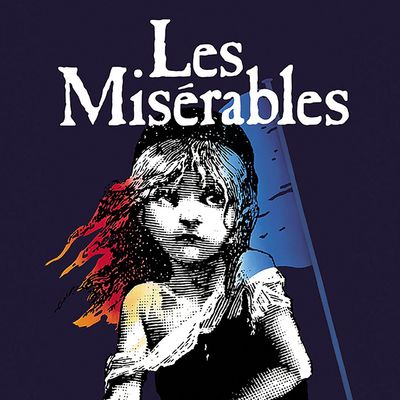
[8:04] Sabine Kvenberg: But a few years later, Les Mis came to Vienna as well, and that's when I actually already went through all the special musical theater education that we got in Germany.
[8:18] Sabine Kvenberg: But that's basically how it used to be before the musicals starting to come to Germany and to Europe.
[8:27] Patrick Oliver Jones: Now stick around at the end of our conversation, where I'll be giving a preview of this week's Final Five episode.
[8:33] Patrick Oliver Jones: And in that, Sabine gives a bit more backstory on that Cats audition and what it was like years later when she got to audition for the show again.
[8:45] Patrick Oliver Jones: And so what would you say is the difference now between you know the European rehearsals, productions, and how they treat their actors as opposed to what you've seen here in the US?
[8:58] Sabine Kvenberg: There's a huge difference. And first of all, in Europe and Germany, you can actually, when you go to a theater and you ask of the theaters give you a one or two-year contract, and then it will be, you know, renewed.
[9:20] Sabine Kvenberg: So basically, it is more of a secure position, and during those two years, you play different roles, which is great.
[9:29] Sabine Kvenberg: And some actors have their home theater for years, and the audience knows them. Now, with musical, it's different.
[9:40] Sabine Kvenberg: Now, when after the musical swept over Europe, so to speak, it's you are just hired for the show. So you're more the freelancer that we now know what we know here in the United States.
[9:57] Sabine Kvenberg: However, you know, that's it. It's interesting that you said that. I have still many friends in Germany from the acting world.
[10:08] Sabine Kvenberg: And when COVID hit, they were in a contract, and they kept a reduced salary.
[10:20] Sabine Kvenberg: And it's amazing. And even a friend that I just talked to yesterday, she said she got a contract before COVID hit, so it was contracted, and then it was never they couldn't start rehearsal.
[10:35] Sabine Kvenberg: It was never performed. Right, yeah. She got a reduced salary, and she still has it, which right now it's of course in discussion, how much longer can we do it, right?
[10:48] Patrick Oliver Jones: Yeah.
[10:48] Sabine Kvenberg: But there's a difference. There's the security net is just bigger.
[10:53] Sabine Kvenberg: And in Germany, they really see the performing arts as a vital part of society. And I think that's the main difference.
[11:04] Patrick Oliver Jones: Yeah, I was just about to ask, there must be more of a governmental support, just a more cultural significance of the theater that you saw in Germany specifically than here in the US.
[11:16] Patrick Oliver Jones: I mean, we have the National Endowment for the Arts, but it seems very, very small and very localized to different places.
[11:23] Patrick Oliver Jones: And New York certainly has theater, and we're known for it, but around the rest of the country here in the US, it's not as vital to the neighborhoods to the communities there.
[11:33] Sabine Kvenberg: Yes, absolutely right. There is support from the government to really um especially theaters.
[11:42] Sabine Kvenberg: Sometimes they need to be subsidized. But the good thing is, in order to do that, it also brings paying customers, and it engages the culture in a different way.
[12:02] Sabine Kvenberg: And even when you have tourism, you know, they come for that reason. So to give you an example, my hometown, Hamburg, Germany. Cats was the first musical that came there after it was in Vienna, Austria. And then came Phantom of the Opera and Starlight Express and many others, and then Lion King, that was the biggest thing. So they actually built a theater in the middle of the harbor of Hamburg. So Hamburg has also had a big renaissance, like the harbor, it's a harbor city. But they built that theater, they built many theaters just for musical theater. Now that of course brought tourism there. So you see, you have to, it's a fine balance with the performing arts big outlet. Now Hamburg is one of the musical theater cities.
So with many different theaters played. And that's where they had operettas, right? That's where I played. Actually, I was part of the first German musical called Auf der Reperbahn nachts um halb eins. So that was actually a very unique movie with like really old actors that some you may know, but anyways, so they made it into a musical. That was kind of the Germans to try to do some musical theater. And so I played in that. That was very, very fun. And that was actually the last play that was in there before Cats came in, and ever since they musicals after musicals, no more operetta, and talking about subsidizing the arts and the performing arts. So Germany realized that, well, we need our people, the Germans, to become musical theater performers because Cats, it was just Americans, American dancers, and they didn't speak German, so they sang, but of course, you have the backup singers, the booth singers, and then we're all Germans, they were not being seen.
But the more musicals came, they wanted to have Germans to actually speak those roles, and there was a special program that you had to audition for, and that was a one-year education in musical theater. And so for me, obviously, since I am a singer and I also started taking dance classes. I started that late, but I knew I needed to have that to be a triple threat, and so I auditioned for that program and I was accepted. So there was just a small, you know, I think we were maybe 20 or 30 people that were accepted in that program, and we were paid to do that, so they took the last salary that we received, and I had a good salary, and then you got maybe 80 percent of that, so it was a reduction. So that you could live, and be quit because I had to move from Hamburg to Munich, which was on the other side of Germany, and live there for a year.
[15:55] Patrick Oliver Jones: And so, did the school pay you? Was this government subsidized? How did that payment come about?
[16:00] Sabine Kvenberg: Yeah, government subsidized. So it's like I had, you know, built up my unemployment benefits. So I got my unemployment benefits during that time, and I didn't have to pay for the school. The school was paid for by the government. That's how it worked together.
[16:21] Patrick Oliver Jones: Interesting. So really your career almost coincides with this burgeoning of musical theater and it coming to Germany, to Europe as a whole. So when you were younger then, musical theater wasn't really a thought. You wanted to act, you wanted to perform. So was there any hesitancy going into musical theater, or did it just seem like that's what I want to do?
[16:45] Sabine Kvenberg: You hit the nail on the head. That's what I want to do. When I was a kid, I was always performing. So for me, it was really a natural progression. And after I was done with that whole thing, then I started actually doing some TV work. But I then started playing Lucy in You're a Good Man, Charlie Brown. I played in Nunsense, Sister Amnesia. I then I wanted to play one of the big musicals that came to Vienna, Austria. And the next one was Les Misérables. So here's the thing, it's a funny story, too. Because see, typecasting is a little bit different in Germany than it is here too. Well, actually, I wanted to play Madame Thénardier. And you know, because I really wanted to change from the young ingenue to the character.
So I auditioned with Stay with Me from Into the Woods, because I know that is that very powerful, you know, stay with me, da-da-da-da-da-da-da-da-da. And also for musically, you know, it kind of makes sense. And I prepared so much. I played your Good Man, Charlie Brown in Hamburg. Vienna is in Austria, it's the neighboring country. So I took a night train overnight. I was done Sunday night. I took the night train, and on the Monday morning was the audition. And I had somebody transpose the song just a little bit so that I really could belt it. And I had it on a tape back then we still had tapes.
[18:51] Patrick Oliver Jones: This is no, I remember cassette tapes, believe me, I know.
[18:56] Sabine Kvenberg: So I had it and I'm a little cassette tape player, so I went on there and I was determined. And you know, for the actors out there, later on, I made when I wrote my book, Secrets on How to Succeed in Showbiz, because so much is the mindset and the preparation and your sheer will and preparation. I mean, you have to, you know, it's not just the mindset, you have to prepare and learn your skills and know your skills. So I was there, but I had everything prepared. I had that composed and the tape recorder. And oh, before I said, here's the sheet music to the piano player, and or if you like, because it's really challenging to play, or if you like, I have a tape. And he said, yeah, why don't you use the tape?
Bingo. I practiced with that tape, right? I must laugh now. I probably wouldn't do it, but back then I was just like fearless. I had that piece of material, I had and I had a ponytail, and I took that scrunchie out and put it around and put it around my like a cape, right? Like the witch's cape. So I did that, and then I just went for it. And there was just silence. And you know how it is, you know, don't call us, we call you. So, and then he said, would you mind going upstairs with a music director and work on a song? And in my mind, I was like, yes, you know, I got my foot in the door, and so I went upstairs, and then she worked with me on Madame Thénardier's song, which was really challenging, right? Das Farland Fallens Tellum is Twitter mal zu findem your arbeit to tune. I was like, whoa, all over the place, like a spontaneous, right?
[20:54] Patrick Oliver Jones: Yeah, yeah, exactly.
[20:55] Sabine Kvenberg: And learned that in just a few minutes. So, and I remember at one point, the musical director said, well, maybe we're done, maybe it does work out so well. I said, no, we're not done. I want to do it one more time. Please do it one more time. So she did, and I went downstairs and I performed it. I nailed it. And then they said, thank you. But there was such a feeling of a good feeling, you know? I said, yes. And well, long story short, I got the phone call, so it was really, really fun playing that role.
[21:29] Patrick Oliver Jones: Yeah, it really does come down to a confidence, a belief in yourself whenever it comes to this business, because yes, rejection is going to happen, and you certainly audition for stuff that didn't go as well, you know.
[21:43] Sabine Kvenberg: Of course, of course. I have a story about that too.
[21:46] Patrick Oliver Jones: Oh, we all do, yeah, of course. But when it comes to this, you had a goal, you prepared for it, you had this vision of what you saw yourself as, and you said, no, no, no, let me show you what it is that I can do. Did what was there any trepidation in that, or was it just kind of like balls to the wall, I'm gonna give you everything I got?
[22:09] Sabine Kvenberg: That's basically what it was. Yeah, because I do and I did have another experience that and I was younger, I was preparing for I don't know what it was, but it was a modern musical, and I didn't have any modern song, so I learned a new song, and as you very well know, Patrick, you never want to do that, you never want to go with a new song into an audition, right?
[22:42] Patrick Oliver Jones: It's risky, yeah.
[22:44] Sabine Kvenberg: I've done it, and sometimes it works because it's the right song for the right character, but then if you don't know it as well as you should, then...
[22:44] Patrick Oliver Jones: Oh, exactly.
[22:53] Sabine Kvenberg: And yes, and do you have it really prepared? Did you really prepare for it? And if I am honest with myself, I did not. And just to give the difference why one things work and one not. The mindset, the preparation, the training. So I went there and I blanked. I forgot the words. Because you know how it is when you put your heart in and you're acting, and it's not automatic, you forget the words. So what did I hear? Thank you. So I didn't even go on. So she just let me go. And I was so mad and I was blaming, blaming the director, right? But that is another example for it for someone to really see what is your mindset, what is your preparation, and take 100 percent responsibility for the good and the bad.
[23:55] Sabine Kvenberg: Exactly. Yeah, yeah. I mean, we have to realize that yes, that there's always going to be something that happens in the room. I've had great accompanists and not so great. But if you're prepared, then that won't matter as much. It's great when you have an accompanist that can follow you and really go with you as you know, get louder, you emote, you know, but then sometimes you have those that might miss a note or they just play their one tempo, and that's it. You know, all these different things can happen in the room. But you're right. If you're prepared, if you have that mindset and you're very focused, then distractions like that won't upend you and you know, send it off the rails.
[24:34] Sabine Kvenberg: Yeah, yeah, that's it. And that's what I teach now, also with my clients, taking that experience that we have as performers and all the experience throughout the years, that confidence is really a part of number one, preparation, skill set, number two, and number three, mindset. If you marry those three things together, then you really can work on your confidence and the belief, even if there are limiting beliefs, and that is for me, just I really drill this and I really work with my clients to overcome the limiting beliefs. But at the same time, you cannot just think it. You have there are certain actions that you have to take and things that you have to do in order to enhance your confidence. And I call it my competence, confidence loop or cycle. Because if you increase your competence, your confidence will grow.
[25:47] Sabine Kvenberg: So yeah, as actors, performers, at the beginning, you know, I was not as good, but the more I learned, and then I had my musical theater education at a special year, and I kept up with my dance up to maybe not now anymore, but for many, many years, I went to classes. I even when I was an adult, I went to a class to a ballet class, like with children and teens. I didn't care.
[26:18] Sabine Kvenberg: Yeah, now that takes confidence, yes, to get in a room like that. That is for sure.
[26:23] Sabine Kvenberg: Yeah, so for you, you talk about teaching. That's something that transitioned as you came to the US. That was around '94 that you moved to the US. What was it that brought you to the US?
[26:35] Sabine Kvenberg: I actually, by doing the European tour of Fiddler on the Roof, I met my now husband. And we were just friends at that time, but we stayed in touch and eventually we got married, and he moved to Germany, and then we worked as directors, traveling the world. But at one point we said, you know, we want to settle down. So what is the next step to do? And I know many of the actors, many of the actors' colleagues, or many that are listening to this podcast at one point or another have to ask themselves the question, what is next?
[27:16] Sabine Kvenberg: And so for us, it was we wanted to pass on the love and the passion for the performing arts to a new generation. So let's open up our own school, and let's do this in the United States because we felt there was a better opportunity for entrepreneurs. That's the difference between Germany and the States. If you want to become an entrepreneur, it is easier to do it here because there are more restrictions and because of the social net and so forth.
[27:54] Sabine Kvenberg: So um, yeah, so anyway, so we started here. We moved to Virginia, close to where his family lived, and we started with really knowing nothing about a business, but we learned fairly quickly, and me actually having a little bit of the business sense because before I started becoming an actress, I actually got my associates in business, which I didn't want to do, obviously, didn't want to be stuck in an office, but that's another story for another time.
[28:32] Sabine Kvenberg: And little did I know that I really had like a natural knack for coaching and teaching. And some years into doing this, our studio grew and exploded. I really felt in my heart, you know, I teach more than just acting, dance, and music. I teach life skills to the children and the teenagers and adults as well, and that was very, very powerful for me, and the lives that I was able to touch in a positive way.
[29:17] Sabine Kvenberg: Wow, the feedback that I got, some letters and you know, thank you so much. You changed my life, and that was like wow. That is powerful, Patrick. That is so powerful, and yeah, that's that was my transition.
[29:36] Patrick Oliver Jones: Yeah, it's so interesting that you talk about that because I've had other episodes, in fact, just a couple of months ago, that were teachers that are all about yes, the semantics, the skills, the actual rudimentary teachings of dance, of music, of acting, but at the same time, there are life lessons. There is a broader sense of your humanity, of your personhood to learn through the arts. And I think it's so important that, especially younger kids, that they get that sense of confidence. We've talked about that, that sense of being able to think outside the box, of being able to see something that isn't there and yet pretend it is, create this world. You know, this imagination can really help a child really figure out who they are, what they want to be, what do they want to do in that world? What kind of character do they want to be? And the arts can really be a foundation for the kind of person that you grow up to be. And I'm sure that you've discovered that in your own teachings.
[30:45] Sabine Kvenberg: Absolutely. And it is just so powerful. It really is, because the performing arts is a vehicle that we can use to bring out the best in people. To give you an example, even for adults, because for you know, I'm also a DTM, a distinguished Toastmaster, a Toastmaster. I was teaching at some of the Toastmasters events my skills as an actor. And I helped Toastmasters to really improve their presentation skills.
[31:29] Sabine Kvenberg: And one of the things, and I had a workshop, there was like the one person came up forward and presented his talk, his speech. And it was very low-key, and I couldn't see and feel the excitement. And as we know, when you have a speaker, you want to see the energy and excitement. So I used some of the acting techniques with them, right? And you know, I can pull great things out of people. And so then I started teaching them how to use emotional memory, okay, and also physicality. And so I gave him like an example, and all of a sudden, just physicality, right? So I had him run in place. I had him run in place, run, run, run, and say, now say it, now say it, now say it. And he started saying it, and he was so excited. And there was a thunderous applause from the room, right? So you can really help adults as well with our techniques that we've learned, and that I applied many times as directors to pull out the best out of performers. So yeah, it's great.
[32:49] Sabine Kvenberg: And conversely, I'm sure that you've had the students then that they messed up that character or that line, or and then they get down on themselves. There’s a lot of yes, we have directors, we have casting that don't cast us in a particular role, but then we also have our own inner voices, our own self-doubts that kind of eat away at us. What do you say to those that have that weighing on them?
[33:16] Sabine Kvenberg: Yeah, I call it the chattering monkey voices in our heads.
[33:22] Patrick Oliver Jones: That's a good way to put it, yeah.
[33:24] Sabine Kvenberg: Yeah. So, you know, if you really understand that those voices, that voice that says, ah, you're not good enough, you can't do this and whatnot. It's a protective mechanism. And we don't even realize that, but it has something to do with our million-year-old brains that had that fight and flight response. And when we are in our modern world, presented with a challenging situation, okay. Now think back, and I'm trying to get it as simple as I can. Challenging situations, fear, oh, there can be something we can get hurt, maybe not physically, but emotionally, and that's when those voices come in, say, run Sabine, run, right?
[34:24] Sabine Kvenberg: And so once you understand that, and that's the first thing, awareness. You have to understand why those come. Once you do that, once you understand that, then you can counteract that. And when I work with clients, for example, so we identify that first, and then we do a positive reinforcement to for them to understand, oh, that's what it is, and then we look at things, how can we overcome that? And yes, there is fear, or as you well know, even for us, when we go on stage for the first time with a new role, there is this little bit of stage fright within us, right? Which is a good thing.
[35:12] Sabine Kvenberg: Now, if you can make it very clear that yes, a little bit of those kind of emotions are good, okay, because it raises just enough of the good hormones that keep you up and on your toes and energized. But let don't let it overcome those voices that say you're not good enough. And then you have to again say, why is that thought even come? I'm not good enough. And how can we overcome it? Well, for one, you can just say something like, okay, thanks up there. So I really don't need that anymore.
[35:50] Sabine Kvenberg: I know that I am good enough. So just do the opposite, whatever this is, right? Or well, I'm not a good enough singer. Then I say, well, you're maybe not a good enough singer yet to do what you need to do for this. But if you stop singing, you will never get there. So just do it. And failing is a good thing because you fail forward. That's what I say. With every failure, like that bad audition that I did, well, that taught me a lesson. And now I did that over preparation for that role that I really wanted to play. Yeah, failure and rejection can really be a catapult to be like, I don't want to do that again. So I'm going to overdo it this time. I'm really gonna be ready so that when that role comes along, that that is so right for us, and we know we can do it, then that confidence, that surety can come forward.
[36:52] Sabine Kvenberg: Absolutely, absolutely. And as I said, you know, overcoming fear, gaining confidence. And that's why coaches come in. You know, we talked about, uh, before we started, um, this podcast about, uh, you know, we've been really a little bit sluggish, we were not able to work out, and then you shared with me that you now have a coach, and I said, yes, I need that too. We all need coaches because number one, they have the bird's eye view, they can see where you are, and they can encourage you, they give you some action steps, and it doesn't matter if it's a, uh, physical coach or a life coach, uh, confidence coach, whatever kind of coach they are out there, acting coaches. Everyone needs, if they want to improve in one area, get a coach. Get a coach because you will get where you want to go faster.
[37:57] Sabine Kvenberg: Now, I read a story that, uh, we had talked earlier about you being a vocal artist or recording and you recorded some songs. I hear that all these decades later, you got to hear those recordings again. What was it like revisiting that younger self, that young singer again?
[38:16] Sabine Kvenberg: Oh my gosh. That was so, what a good surprise. So basically, when I was a teenager, I wrote a couple songs with my guitar and just for letting out those emotions and whatnot. And we had a group called Dimple, and, uh, there was my girlfriend, and then two guys. So we had, it was a folk group. And we recorded folk music. We played at different festivals and whatnot. And there was the, one of the guys' brother had a recording studio. And back in those days, you had those big wheels, right? It's not like today, like you just press garage band, and guess what? You can, uh, pop it out. So anyway, so we did some of the recordings. One of them was, uh, Santiano, which I recently heard one of the German bands playing, and I'm looking forward to hearing them when I'm visiting Germany.
But there was another song that I wrote when I was a teenager. So long story short, I got one time over an email, and then I found you on Facebook. I think you are the one that I think you are, because I have an hour last, uh, different last name, and I live in the States, right? But this is GIRD, and I have a record. Remember back then, and I have a recording I would like to share with you. And I said, oh my gosh. So he sent me that recording, and also with a little booklet for me, all the different songs, and I listened to myself, uh, 40 years later, literally, and like wow. I mean, it was such a wonderful, overwhelming feeling, and then it got me thinking, you know, it is so important to do something like that, even if it was never published, but to leave a legacy, even if it's for your family, and thinking back and listening to myself, I said, hmm, interesting. You started writing music, and now I write music for my presentations, for my speeches, for inspiration and stuff like that. So it was really fun.
[40:53] Sabine Kvenberg: As you were saying that, I was curious, what would you now, going back 40 years, what would you now tell yourself, you know, that young recording artist, that young person just writing to get some emotions out, what would you tell her now?
[41:09] Sabine Kvenberg: You know, I would say keep doing it. Because when we write songs, when we write poetry, we deal with something that we need to deal with on a different level. Because most people just eat it and it's sitting and festering inside. And when you write this, you let it out. And I'm working now with a young lady, she's only 15 years old, and I'm preparing her to get in front of agents and casting directors. And that's what I do now. I also work with talent and get them ready. And so when she told, when I asked her what she wants to sing, she said, well, I also write songs. Oh, do you? Yes. But she said, I, well, I don't know if it's good enough or whatnot. I said, no, keep doing it because you are expressing yourself through the art.
It feels good to you, and you never know who maybe later on it will help. So that's what I would say to my young self, too. It's like just keep doing what you're doing and continue with improving your skills. Be a lifelong learner and explore who you really are on a deeper level.
[42:54] Patrick Oliver Jones: That's wonderful. And thank you so much, Sabine, for joining me for sharing these, uh, these wonderful insights. It's been a joy to talk to you.
[43:02] Sabine Kvenberg: Well, it was a pleasure being here and, uh, going down memory lane with you a little bit.
[43:10] Patrick Oliver Jones: To learn more about Sabine and her work in coaching and teaching performers, go to SabineKvenberg.com. Links to her website, YouTube channel, her book, and more can be found in the show notes. Thank you so much for listening to me and Sabine and our conversation today. If you know someone who you think would enjoy or benefit from an episode like this, please share Why I'll Never Make It with them. Another important way to show your support is through donations or memberships. There are special bonus episodes available only to monthly members, like the final five. I ask each guest the same five final questions. And so here's a little preview of Sabine answering question number two.
[44:01] Patrick Oliver Jones: All right, number two. What is a bucket list role or show that you still hope to do one day?
[44:06] Sabine Kvenberg: Well, uh, actually, one of my bucket list roles came to fruition. Remember, I told you in our interview that we had that I auditioned for Cats. That was the first German musical that came. And my dancing skills were not good enough at that point, and I didn't get it. But fast forward 30 years, and, uh, I was already, um, like I would be a seasoned cat. I was one of the, would be one of the older cats, right? But you still have to dance pretty, pretty darn good. So I wanted to do Jenny Enid, because I'm a tap dancer, I can do that, right? And when, uh, Cats finally finished their long run on Broadway, and finally it was opened up for, uh, theaters to perform it and to, uh, produce it. Believe it or not, our small dinner theater in Fredericksburg, Virginia, got the right, the first rights to produce it.
And how funny it is, and then the teacher that we had at that time, she actually, she's an American, but she did the first German production in Hamburg, Germany. How about that? Oh my gosh. And then my husband, who did a lot of choreography for that dinner theater, and he was supposed to direct Cats, so he was directing it, and I still had to audition for him and the director of the theater, so mind you, right? But, um, nevertheless, I got the role of Jenny Enidad, and but I told my husband, you know what? Because they don't have to recreate the choreography, even though we did a lot of the originals, but said, you know, that, uh, tap choreography is a little bit too easy for me. Can you spice it up a little bit? And he said he did. But I tell you what, at the opening night, like holy cow. I'm too old for that guy. Right, you gotta be careful what you ask for.
[46:26] Patrick Oliver Jones: The full final five episode with Sabine comes out on Friday. To become a member and get access to this and other bonus episodes, go to join.why I'll never make it.com. Well, I'm your host, Patrick Oliver Jones, in charge of writing, editing, and producing this podcast. Publicity provided by Imagine PR Group. The theme song for this podcast was created by yours truly, and other music in this episode is by Vortex. Why I'll Never Make It is a part of the Helium Radio Network and a member of the Broadway Makers Alliance. Join me next time with singer-songwriter Sidney Irving as we talk more about why I'll never make it.
[47:16] Patrick Oliver Jones: Most enterprises use disparate systems to manage spend.
[47:20] Patrick Oliver Jones: The result, a reactive manual approach.
[47:22] Patrick Oliver Jones: CFOs and controllers, you deserve better.
[47:25] Patrick Oliver Jones: You deserve a unified spend platform from BREX.
[47:28] Patrick Oliver Jones: Brex makes it easy to proactively control spend with cards, spend management, travel, and bill pay in one place.
[47:35] Patrick Oliver Jones: You can create budgets with controls built in, track and adjust in real time to keep teams accountable, and automate compliance to close the books faster.
[47:42] Patrick Oliver Jones: Ready to control your spend with one unified platform?
[47:45] Patrick Oliver Jones: Visit BREX.com.
© Broadway Podcast Network, All Rights Reserved