

Sara Gettelfinger's Broadway debut came in 2000 with the musical Seussical. And she worked steadily on Broadway through the years until she and I met and worked together on The Addams Family national tour in 2011... Read More
From the show: Why I‘ll Never Make It
Guests

Featured Shows


About
Sara Gettelfinger's Broadway debut came in 2000 with the musical Seussical. And she worked steadily on Broadway through the years until she and I met and worked together on The Addams Family national tour in 2011. But then she had to take a break from acting, a break from New York City as well. And except for an Off-Broadway musical in 2014, Sara focused instead on her life and let the career she loved so much take a back seat.
She’s now back on Broadway in a new musical, Water for Elephants, that opened at the Imperial Theatre on March 21st. We sat down during the preview process, and she openly talks about the struggle and warning signs that led up to her long absence as well as the lessons she’d had to learn, both personally and professionally.
Subscribe or Donate to WINMI
Subscribing helps support this podcast, while also giving early access to extended conversations and other bonus content. Donating can be done on a one-time on ongoing basis. So whether you subscribe or donate, your financial contribution to this podcast is greatly appreciated!
- If you'd like to support WINMI but have limited funds to do so, then contact me directly for reduced-price or even free access to the bonus content.
Follow WINMI: Website | Instagram | Twitter | YouTube
----------
Why I’ll Never Make It is an award-winning, Top Theater Podcast with actor and singer Patrick Oliver Jones and is a production of WINMI Media. Background music is by John Bartmann and Blue Dot Sessions is used under a Creative Commons Attribution-NonCommercial 4.0 International License.
Transcript
This transcript was automatically generated and might contain errors.
[0:01] Patrick Oliver Jones: There are times when there just aren't enough hours in the day to get everything done. And when it comes to this past month, it often felt like there weren't enough days to do everything I needed to do. I was producing a concert at 54 Below. I was learning a new musical for a stage reading, not to mention auditioning, as well as putting together this podcast and my other theater history podcast, Closing Night. And on top of all that, I had to take my landlord to court to get repairs done in my apartment, which honestly has been a month's long process. So suffice to say I've had a lot on my plate. In fact, I've had many plates going. But everything I've just mentioned is about the day-to-day stuff we have to get done.
Then there's the life stuff, the personal things that we go through and have to process and handle, along with that ever growing to-do list. And in this episode, my guest and I will discuss how that life stuff, you know, those important things, will eventually take the driver's seat, whether we want them to or not.
[1:07] Sara Gettelfinger: Hi, I'm Sara Gettelfinger. I was born in Louisville, Kentucky. I split my time now between Southern Indiana, Louisville, Kentucky, and New York City, and I am an actor and a teacher. Sara's Broadway debut came in 2000 with the musical Seussical, and she worked steadily on Broadway through the years until she and I met and worked together on The Addams Family national tour in 2011. But then she had to take a break from acting, a break from New York City as well. And except for an Off-Broadway musical in 2014, Sara has had to focus on her life and let the career she loves so much take a back seat. But now she's back on Broadway in a new musical, Water for Elephants, that opened at the Imperial Theatre on March 21st. We sat down during the preview process of that show, and she openly talks about the struggles and warning signs that led up to her long absence, as well as the lessons she had to learn both personally and professionally.
[2:16] Patrick Oliver Jones: It's like you're demanding that I let go of trying to be perfect and actually do the work. So it was really strange. It was almost like the first time somebody demanded that I let go of trying to be perfect.
[2:34] Patrick Oliver Jones: Welcome to another episode of Why I'll Never Make It, an award-winning theater podcast. I'm Patrick Oliver Jones, a New York actor and singer, and each week I talk with fellow artists about personal setbacks and professional hardships with lessons we can all learn from. The website is Why I'll Never Make It dot com, where you can donate, subscribe, and find past episodes. Again, that's why I'll never make it.com.
[3:12] Patrick Oliver Jones: Well, welcome, Sara. It is so good to see you again. So good to have you on the podcast. I'm excited for our conversation today.
[3:20] Sara Gettelfinger: Me too.
[3:21] Patrick Oliver Jones: Oh my goodness. Yeah, it's been so long. Like that was 12 years ago, 13 years ago when we were on The Addams Family tour together.
[3:30] Sara Gettelfinger: Yes.
[3:31] Patrick Oliver Jones: Yes. Oh my gosh. It feels like a lifetime ago. I mean, I was just in a different place. I was like my life just seems so different. It was my first big New York gig that I booked.
[3:42] Sara Gettelfinger: So it was a different time.
[3:44] Patrick Oliver Jones: Very much the same. I feel like I've lived four lifetimes then. So I'm glad that we're both here now and doing well.
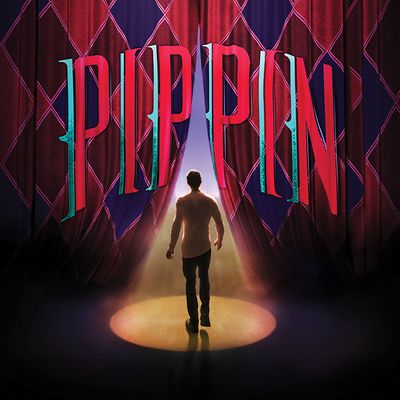
[3:53] Sara Gettelfinger: Right, right. Exactly. Exactly. Well, we'll get started with the first story that you wanted to share. And I think any actor can relate to this being in the rehearsal process. And you say that you got your ass ripped by Rob Ashford while you were playing Fastrada in Pippin. Now, this was because of your inability to embrace the process.
[4:14] Sara Gettelfinger: Yes. Now, what was this process he wanted you to embrace?
[4:17] Sara Gettelfinger: Well, it actually was one of, you know, was one of the most life-changing tough love moments that I still probably on a regular basis, I will remember this. And I it makes me want to like send him a fruit basket. It's you know, it's one of those things where you look back, and I was just over a year out of college. I had gotten my equity card doing the Fosse tour, and I left the Fosse Tour to go do this Pippin at Paper Mill Playhouse. You know, this I always had lots of promise to possibly come in, things like that. And they weren't even gonna let me audition. They're like, there's no way she's too young, and I just said, you know, my agent was like, You gotta let me come in, you gotta let me go in, you gotta let me go in.
And so I ended up booking this thing, and it was a big deal, you know, because I, you know, obviously I had been getting indoors as a dancer, but also, you know, she had this fabulous song, it's fabulous scene, and you know, and I'm literally like 23 years old and playing this really important part. Jack Knowsworthy is playing Pippin, and it was a big deal. But I'd also just come out of conservatory, very much in this perfectionist head space. And you know, that number "Spread a Little Sunshine" is a bit of a marathon. You know, you sing, you dance, you stop, you do the scene, you sing, you dance, stop, you do the scene. And the bottom line was I'm in there trying to do it, I'm getting winded.
We're rehearsing at 890 Broadway back then. And I was having trouble. And I was getting angry, and even though it was angry at myself, I was getting, you know, just frustrated and almost in tears, and just, you know, and like the women in that ensemble were like it's many of them still so dear to me today, like these goddesses of musical theater, like Roxanne Barlow, Amy Higgins, Wendy Waring, and I'm sitting here, you know, damn near having a fit because I'm running out of air, or I'm and I remember Rob stopping the rehearsal, and he said, I need everybody to leave except for Sara.
[6:50] Patrick Oliver Jones: Oh boy. Now, did you think you're in trouble?
[6:52] Sara Gettelfinger: I knew he wasn't gonna congratulate me. I mean, I didn't know because it was it was tense and it was my fault, you know. And he said, Look, you are one of the most talented young performers I've come across in a long time, but I don't know where you came from to where you have this notion that there's no process that you're just supposed to come in and be perfect, and there's no taking chances or no building up stamina. Instead, you just go into meltdown mode if it doesn't happen instantly. He said, But if you don't get over that real quick, your career's gonna be over before it started.
[7:40] Sara Gettelfinger: Yeah. And it wasn't in a, you know, you're so good, don't be harming yourself. He it was very much in tone of would you like to get your shit together or not? Because this is nonsense. And it was powerful. It was powerful. And what was interesting is Rob would hire me for Seussical. He would hire me again for The Boys from Syracuse. But in some ways, like, I don't know if I even started to totally figure that out for another, you know, five or six years. And I really didn't totally figure it out until after I completely crashed and burned, ended up leaving the business. And about two years ago, is a literally a different human, was the first time that I think I truly understood what he meant and was able to not only apply it but enjoy it.
But like I even remember, you know, a couple years later when we were doing this number in The Boys from Syracuse, where I was myself, Liz Mills, Deidre Goodwin, and Milena Govich. We were the courtesans, and we're out here and to do this number where we're all sitting on these boxes and spinning, and you know, and it was hard. It was hard. And I remember one night being up there, and it was like it wasn't going well, and I couldn't get my feet around. So I just out from the god, Sara. And I still like I just know I drove him crazy, but he kept hiring me. I owe him so much for that, because I it's fascinating to look back on it because it in so many in really in so many ways, it was like I was behaving like a brat, but it wasn't a brat, it wasn't like a brat coming out at other people.
It was just like I was so mad at myself. But you know, when you look at it now, it's like I don't need to know why. The point is you're shutting down right now instead of peeping at it, and it's not only pissing me off, it's wasting our time. So it was very profound, especially as I got older. It was like, oh geez, I'm so sorry. You know what I mean? Like it's like now I now I see, now I know. But it's it's really interesting how we can torture ourselves because we're think we're we think we're failing.
[10:27] Sara Gettelfinger: Yeah, and it's the only reason you're failing is because you won't give yourself permission to be imperfect right now. Can we get the fuck on with it? You know what I mean? So it's it's one of those things that I even though I've gotten so much better at it. And I, you know, it was such a gift that he was trying to give me. In the moment, it was uh it wasn't a gift. It was like, listen, you little shit, we don't have time for this, but it wasn't a gift, you know.
[11:06] Patrick Oliver Jones: Right. It's one of those things like after the moment, you as you said, maybe even years down the road, you start to really process what he was saying. But in the moment, you probably still heard it as listen, you little twerp, you better get your act together, you better get on.
[11:18] Sara Gettelfinger: Yeah, you probably heard it as him coming down on you, right?
[11:22] Sara Gettelfinger: In some way, it's not even so much that it was this very, it was almost confusing. It was, I didn't know what to do with it because it was like it was very forceful, but it was like this forceful demanding that I give myself permission to not be great at it right now to give my and and so it was like it's like you're demanding that I let go of trying to be perfect and actually do the work and let it be messy and and find it out. And no, you don't have the stamina. I don't give a shit that you don't have the stamina right now, but instead of whining about it, why don't we start trying to build the stamina? So it was really strange. It was almost like the first time somebody demanded that I let go of trying to be perfect, you know, and so it was it was strange because I, you know, I did end up making progress, but it it was sort of like this um, I don't know, getting knocked on the head with like, I never thought about that. I thought I had to just come in and just add water and make it instant. And it was this person saying, no, and that's not how we do good work.
[12:55] Patrick Oliver Jones: It's so hard to realize that. It's so hard to realize that that letting go. And you're right, even though you weren't getting mad at anyone else, you weren't taking it out on anyone else, you know, it was contained within yourself, but it still shows that energy that we're using to beat ourselves up and to push harder and to, you know, kind of yell at ourselves, that energy still comes through.
[13:16] Sara Gettelfinger: And it still poisons the room, yeah.
[13:19] Patrick Oliver Jones: In a lot of ways, you know.
[13:21] Sara Gettelfinger: Yeah, it did it took me a while to let go of that too. I thought I needed to control this. I would sometimes reach out to others and feel like, well, no, the show could should be doing this. Or there were times where I would get, you know, kind of ahead of myself as well. And and directors be like, um, that's my job. Thank you.
[13:47] Sara Gettelfinger: But then whenever I I soon came to realize that I needed to mess up in the room. I needed to like explore and be like, that is wrong. I okay, I need to get those flubs out, I need to get those wrong choices out. Because if I don't, guess where they come out in the performance? Right. Well, and so often, you know, especially, you know, when I've been very fortunate to have multiple times, and but what I'm doing right now, like when you're creating something new, that's the only way you're gonna find the best version. Because when you, if you really get to the point where you, you know, as Rob said, you know, allow yourself to have a process. Actually, it's it's not very often that things are totally right or totally wrong in the creating of something.
You you can go down a road and maybe find a few things there. Like that will keep, but I think there's a better way to explore that, or there's a better way to pair that with this, or what if we, you know, and even now when I when I do my own work and and certainly when I teach, and that's why I talk about using colors, because they're mixable, they're blendable, and and I can pull a little more of this or or take a little bit of that away. It's not a it's not a paint by numbers for me. And I think that back then I really, you know, but this is also before I got any notion of what would happen in if instead of trying to measure up to others' marks or what you think other people want, you just tried operating from your authentic self and your authentic instrument.
But these are things that we don't figure out sometimes until it's too late. But in my case, I'm very blessed that I, you know, but it is profound to look back on it and realize, you know, the paint by numberness of it, if you will, that it would be.
[15:49] Patrick Oliver Jones: Well, it's so interesting that you bring that up because yeah, that paint by numbers means that within this space, you paint this color, within this next space, you paint whether there are no lines, there are no spaces, it's a blending, as you said, it blends from one color to the next, from one moment to the next as we portray these characters because that's that's life. That that's how we live our lives, and that's obviously what we have to bring to our characters, our our own life and the life that uh that they live.
[16:16] Sara Gettelfinger: Yes, for sure. Well, as we get into story number two, you wanted to talk about getting let go from Grey Gardens when it transferred from Playwrights Horizons to Broadway. Now, I I'm curious, how did you find out that you weren't going to be moving on with the show?
[16:41] Sara Gettelfinger: Well, it was very interesting because I, if I have to leave back, because you know, it's the the next thing that you know we'll talk about is you know how I ended our time at the Addams Family. But looking back, it's strange because that production off Broadway of Gray Gardens, in some ways, I am most proud of the work I did in that. I really feel like I did a lot of important, beautiful work in that production. It was an unbelievable gift of a daily master class to be with and watching Christine and Mary Louise. But I think some of the work that I was able to do in that show came from using a lot of pain that was coming very that was very big within me. And it was a great resource for what the character went through.
But again, you've got to be very careful with that because there is a difference between just sort of being this walking wound on stage and almost like using your performance and the stage and your community and your company backstage is like this open rogue therapy ground that's a little reckless and not very responsible or respectful to your other cast members.
[18:40] Sara Gettelfinger: Started really depending on drugs and alcohol. And you know, there's always different chemistry things and frustration things because that was another one that was new, and we're trying to build it and figure it out. But something that I look back on too if things are going well, or say that you you're not jiving with the co-star or whatever, there was just so much anger. I was just so angry.
[19:12] Patrick Oliver Jones: Was it at yourself? Was it at the process, the business?
[19:15] Sara Gettelfinger: I think it was everything. I think it was everything because it's just there are things that especially now where I'm at in my life, I realize like when there's when there's deeper pain and and different things that are really in turmoil within you, you you're never gonna be totally in the clear to do healthy work. You know what I mean? And healthy doesn't mean good or bad. Um, just in a place of of truth or clarity where it it couldn't potentially be loaded with other things. And you and especially again, I was still pretty young. You have to be very careful when it's just like I have all this darkness and struggle and and deep things, you know, that I'll use it in the show. And it's like, yeah, you yeah, and sometimes it's effective, but it doesn't mean that it's totally healthy.
And I've now learned that you can absolutely use real pain and real experience, but there is a big difference between doing it as a technician and sort of funneling it through in a professional technical way, as opposed to just going out on stage, like I said, like this walking wound and just sort of vomiting in, you know, and not even necessarily that it's over gratuitous, but there is there I have found in my experience there can be something very dangerous about just literally going out there with raw pain or emotion that you're actually navigating in life and working it out in front of an audience at the expense of another of your company member. It's not real fair.
[21:10] Patrick Oliver Jones: Well, and it's not real acting. I mean, as visceral as it can be, I mean, the the tears will be real, the anger will be real, whatever it is. But you're right, it's a bit unhinged. It's a bit a bit uncertain, both from from yourself, but then your fellow actors. I I remember there was one time where we had a matinee performance of Camelot. I was Lancelot, and my girlfriend at the time broke up with me at 11 a.m. that morning. So when I'm singing if ever I would leave you, I mean, what else am I gonna do but live that moment? Yeah, you know, it was I'm sure it was a very different performance from all my other ones, you know. But at the same time, yeah, that there was one point at which the uh the Guinevere, she she knew what I was going through.
And there was one moment where it wasn't blocked that way, but we're in the midst of a scene and I'm breaking down. I'm not supposed to be crying, I'm Lancelot, but I'm breaking down. And she just and she hugs me in the middle of this scene. And so we're just living, we're living a life on the stage.
[22:10] Sara Gettelfinger: Right. Yes. Oh, and it's you know, it was a lot. And and the thing was too, I think that like I do know that it's it's very sweet because I know that there were it was sort of a mixed camp on whether or not to have me continue. But I will say this, Michael Grife. I learned so much from him in that process, but also I will always have such a deep care and respect for him because he called me. It was funny, I had just left my therapist's office, and it was one of those that looking back, it was like that therapist couldn't have helped me if she wanted to, because I was never in a place of like total honesty, you know, with her. But I was standing at the elevator. I didn't know you hear the rumblings.
And Michael called me directly and said, Hi, you know, I've got to talk to you. And I said, Can I guess it's transferring? He said, yes. And I said, and I'm not going with it. And he said, no. And he started to get very emotional. And he asked if he could meet me later because I had been um, I'd taken a leave of absence from Dirty Rotten. And then he asked if we could meet. And I remember he took me to dinner to Lucia. And he, you know, very upset. He said, Fought for you when it's so bad. You know, I'm so heartbroken. But it was one of those things where it's like to call me directly, to sit down at, you know, at a restaurant with me and just really say, be honest and say, you know, this was a terribly difficult decision.
And and to see that that person was genuinely upset, whether it was, you know, ultimately gonna be upset that I wasn't the actor, but clearly cared about me enough and valued what I had given to that part of production enough to take that time with me.
[24:30] Sara Gettelfinger: And then the other thing that was really cool is one of our producers, Beth Williams, and she sent me the most beautiful, beautiful flowers, just said, you know, I'm so sorry. It's not what I wanted to have happen. But I believe in you, and I know that we are meant to cross paths again. Beth is one of our lead producers on Water for Elephants. And I had not seen her really.
[26:15] Sara Gettelfinger: If you want to do this for a long time, it's it's gonna be up and down, and there are gonna be roads that you don't get to continue with. Um we go, you know, because I think that was sort of also her way of you you can't dwell on it because if you dwell on it too long, it will just result in you know, being very embittered, and it's like you you can't do anything but look forward, you know. And again, I wouldn't say that it was directly because of Great Gardens because some of the demons that I was already starting to battle in battle, you know, I think just were starting to really get solid during that time. But again, in retrospect, you see and you understand, you know.
[27:10] Patrick Oliver Jones: Yeah. Were you able to get right back into auditions again and go for the next thing, or did you have to take a moment after Great Gardens?
[27:19] Sara Gettelfinger: I took a moment, well, I took a big moment. Um it wasn't necessarily, you know, I didn't have something where I'm like, you know, I'm leaving the business, but it was really wild because what would come up is was an opportunity, you know, the group Il Devo.
[27:42] Sara Gettelfinger: Okay, so you wanted to do sort of a version of that where they put together, it was with Universal Records, and they put together a classical crossover trio that was an opera singer, a pop singer, and a Broadway singer. And I ended up auditioning for that and booked that and became a member of this trio called The Three Graces. And then I ended up kind of going on this two-year adventure where it was a lot of Los Angeles, some international travel. And in some ways, I mean that was extraordinary. You know, it's like getting to work with people like David Foster and Desmond Child, and you know, just even going into some of those recording studios in LA and the other, you know, just even mainstream artists that were had been there.
It was just like being in a church. I mean, it was it was incredible. But I missed acting so much, and my, you know, struggles would continue. So it was one of those things where I think I sort of had this, oh, well, maybe this all happened for a reason because I meant to try this other thing. And I did, and I think it had its place, but it also became very difficult and stressful. And, you know, I think it was just sort of another chapter in no matter where you run, there you are. You know, we can we can never get away from ourselves.
[29:20] Patrick Oliver Jones: That is so yeah, because with Dirty Rotten Scoundrels, that had, I mean, you had been steadily working on Broadway from 2000 to 2006. And so Dirty Rotten Scoundrels was kind of the culmination and really a big part for you, a next step forward in your career. So was there this expectation that you should now be at this level? So when Grey Gardens didn't happen, it was like a failure of that.
[29:43] Sara Gettelfinger: Oh, I think absolutely. I think absolutely in my mind, and more than you know what it was too is that more than anything, and again, because of just the other demons that had really started to take hold. For me, I loved that part. I loved that part so much. And I'm still, you know, Daddy's girl. I mean, I remember like when Scott Franco was building that, just getting to stand at the piano with him. I mean, that was just I will treasure that those memories forever. But for me, and again, you talk about like the the inside confidence versus trying to get it from the outside, you know, I'm not only in this show that I loved, loved the part, but I'm out there with Mary Louise Wilson and Christine Ebersaw.
And if that is not a feeling of like, oh my God, you know, this has to be, you know, it's like I just to stand next to them made it feel like this is everything I ever want to be. But it was interesting because it's like you're so busy putting this pressure on yourself to be able to stand next to them or to be like them, that I was still so far away from having that profound awakening of the only way you're ever going to come close to becoming a Mary Louise Wilson or Christine Eversaw is if you wake up one day. Oh, I'm getting choked up, and realize how miraculous it would be if you were just your best, Sara fucking Gettelfinger. You as you are, with your own superpowers, your own flaws, but only one you for better or for worse. And that's the magic that those women have, you know. And I am feeling that now, but just now. And in four days, I'll be 47 years old. You know? Better late than never. But it is profound.
[32:11] Sara Gettelfinger: And again, when I work with people, like we chase and chase and chase, trying to sound like, be like, be compared to it's like that, ain't it? That ain't it. You know. That is so it's so tough to not only realize that, but then to actually apply it. Because when we're in our 20s, when we're teenagers, high school, college age, when we're coming up, we're listening to these cast recordings, we're listening to these artists, we're watching them perform. It's like that's the role that I want to do, or the songs I want to sing, or the type of characters I want to play. And so we're seeing constantly what we want to be.
[32:48] Patrick Oliver Jones: Yes.
[32:49] Sara Gettelfinger: And so we're constantly looking outward and have a goal that's beyond us that we keep reaching for. And it is, you're right. It is so hard to turn that eye around to us and be like, that's who you need to be. That's who you need to bring to the stage. That's the songs that need to come from you. That's what you need to be singing. And that it is so tough to own that.
[33:13] Patrick Oliver Jones: Yeah.
[33:13] Sara Gettelfinger: Well, and that's part of the reason now when I teach, I talk a lot about like we got to start with this with head and heart. Not in like a, you know, Stuart Smolly bumper sticker way, but like when I will say, who do you love? Who who do you want to listen to? Who do you want? And I say, let me tell you why you really love them. You know, not in a like, I'm gonna tell you your thoughts, but then I talk about the power of being your fullest you know, and it and it is amazing if you can get just even kids to consider that you know it's not because they're screlting an E. It's not because it's because you know they are being their fullest Sutton, they are being their fullest Josh Henry, they are being their fullest, you know, Leslie Odom Jr. They're you know, uh all these people that you guys are, you know, and I guarantee some of them probably, you know, will tell you the same stories that it's like when you you will harness your superpowers when you realize there's only one you, and that's when you start to be like, hey, and it's I really really it would have been a game changer.
So I really try to make sure that I lay that on the ground level, or even just keep reminding because there's some stuff that you just don't get until you grow up and you live and you do it wrong a thousand times, you know, right? But if it's somewhere in the corner, instead of like this is what you have to do, it's like, no, it isn't. I don't have to do anything, you know. And I mean that not in like an obstinate way, but in a like, trust me, there, they're you know, it's like we we truly can't only do what we can, or you're chase you're you're running a race you could never possibly win.
[35:10] Patrick Oliver Jones: Yeah, it's so interesting to listen to recording artists. I think this is one of the clearest examples. When I listen to a recording artist, you know, they're doing their own songs, or do you know, but then they do a cover version. You I've only heard it this way, I've only you know, I remember the original artist, but then they do a cover and completely turn it into their version, and it's so interesting to hear these old lyrics and old melodies in their voice and their and it's like they discovered who they are, what they bring to a song, and how this old standard from the 60s can now mean something in 2024. It's on, and it shows that longevity of like beautiful material can be inhabited in multiple ways by multiple creatures, you know.
[36:00] Sara Gettelfinger: The three stories shared in this episode are only part of a conversation. Subscribers get early access to the full interviews with guests, not only including these stories, but audition stories as well. Join why I'll never make it and help support this podcast, as well as learn more about the guests and the lessons they've learned. Go to why I'll never make it.com and click subscribe or find the link in the show notes. And another benefit of being a subscriber, you won't have to listen to any ads either.
[36:40] ♪ Musical number: "Death is Just Around the Corner" — performed by Sara Gettelfinger ♪
[37:09] Patrick Oliver Jones: Well, we've been kind of talking about it for a bit, but as we get into story number three, this deals with when we met, our wonderful time at Addams Family, such a wonderful year and a half together on the road. And with the ending of that tour, which was the end of 2012, you finally came to realize that you needed to get help for substance abuse.
[37:31] Sara Gettelfinger: For sure. You've alluded to it before in the shows we've been talking about, but what was the light bulb at this particular moment? I mean, and you're, you know, you're very kind, but I mean, it was I was struggling months before we ended that tour. I was struggling, and I just happened to be in a group of people where the majority of people, you know, I know it was being discussed. I know that I was not remotely bringing what I could or should to the table, especially by the end of it. And I was just lucky enough to either have people that were supportive or had enough compassion to be patient and kind. But like I still have so many regrets because you know, I was one of the in the position to be one of the leaders of that company, and while I think everyone knew my heart was in the right place, I was I brought our show down.
I was, you know, not reliable. And even when I was out there, there were times when I, you know, looking back, had no fucking business being out there, you know. And I especially with Doug Sills really, really later on, you know, as I was going in recovery, like just really needed to apologize for that, especially because Doug, more than anyone, you know, really knew I needed help. And even in the years after that, you know, has still remained very loving and checked in because, you know, we closed in Costa Mesa. And I I didn't even make it to our closing party because I couldn't leave my dressing room. I had to beg our company manager not to call, you know, not to have me go to the emergency room because I was just like still in that mentality of like, no, I'll get in trouble, I have to go home, you know.
And I was just like, just please leave me alone. And I think I was in that dressing room for like three hours on the floor in the bathroom, just trying to get back to the hotel to try and get on a plate. I mean, it was just when I look back at that person, you know, it just it's heartbreaking. And in some ways, while you know, it went on to be like my greatest shame for a long time, in some ways, the fact that I made it off of that tour alive, like saved my life. Um, it would start what I call the truly the beginning of the end of what was literally my former life in all possible ways. Because I went back home to, I mean, I went back to New York. And within two months of that tour closing, I had to wave the white flag and finally call my parents and call my family and say, I'm not gonna survive this. I have to leave New York. I have to, you know. And what would follow absolutely ended up go leaving New York, going home, going through the picnic of, you know, rehab, detox, trying to get sober.
[41:12] Sara Gettelfinger: And that was tough. And then, you know, I tried to come back to New York for a minute, was doing a show called Atomic.
[41:23] Sara Gettelfinger: Which I saw. I remember. Also very challenging, beautiful people, but it was very challenging. It was not received well. And after that, I kind of realized this was too soon. I'm not, you know, if I ever want to have a shot at doing this again, I've got to truly go away and figure out how to live. I'm not, I'm feeling too shaky, you know.
[41:52] Sara Gettelfinger: Well, then what would happen is I go back, kind of really starting to focus on, you know, how to stay sober, things like that. And then I end up on several medicines that are supposed to help me with depression or supposed to help me, you know, stay clean. But the worst my life ever got was when I was just about two years sober because it would turn out that one of the depression meds they put me on that was supposed to help me made me crazier than I had ever been when I was using.
[42:27] Sara Gettelfinger: So there was this. I mean, my life just totally crashed and burned. Totally crashed and burned. Lost everything, was strange for my family. I didn't know what was wrong with me. You know, I'm just like, I'm not using drugs and alcohol, and I'm the worst person I've ever been, you know. By the grace of God, there would be a series of events where I would discover what was going on with this medicine.
[42:56] Sara Gettelfinger: Upon getting off of it, it was like this spell was broken, and I started to rebuild my life. And in the years that would follow, I mean, I was away from the business for almost 11 years, and you know, I started enjoying the benefits of sobriety. My grade school sweetheart that I had not seen in 30 years, who also had had some life challenges and moved back home, like actively sought me out.
[43:23] Sara Gettelfinger: We've now been together over six years, married for three. But slowly as I started just sort of enjoying being a happy, fulfilled human being, people started going, understanding what had happened to me, and that it was safe to be around me again. And then suddenly people started coming out of the woodwork to ask for a voice lesson, to ask for a dance class, to ask for a monologue coaching.
[44:10] Sara Gettelfinger: And then I slowly was able to my heart even considered dealing with this thing that I had loved so much for so long. And it really gave me this new awakening, also seeing it through like a teacher's eyes of like helping these kids do it the right way, and not just in terms of technique, but to really take care of their spirits and their breath and then their being kind to themselves and being patient with themselves.
[44:42] Sara Gettelfinger: And then very slowly, you know, because you know, you can't teach without doing. I mean, quite truly, it's just never been this clear. And it I still hadn't would never considered, you know, going back. But then right after the pandemic, we had a 20 year Seussical original cast Zoom reunion.
[45:35] Sara Gettelfinger: And somebody said, you know, you know what? Next year, next year we gotta, we we gotta do a 54 Below, we gotta do a 54 Below. And I remember thinking then, like, oh God, what this that's something my heart could take. And then it came around, and you know, and thankfully, you know, my parents are back in my life. My husband was so wonderful and supportive.
[45:56] Sara Gettelfinger: What ended up happening was Michelle Pauk was not able to do it. And I had understudied Maisie back when we did it. And so they asked me to do Maisie. And I was not thinking about it. It's like, oh, this is gonna be my big return. You know, like I didn't call my parents were there, my husband were there, and like two of my really good friends for real, but it was I was truly going back up thinking, well, what a beautiful end.
[46:25] Sara Gettelfinger: Like, at least I'll have a nice end to that time of my life, you know, because it was my first Broadway show, it'll be a nice end. And then suddenly, as I start working on it, it was like, oh my god, I've never been able to do this like this before, to just be able to do anything I want with my voice, anything I want with my body, and I'm present and calm and just it's just joyous.
[47:01] Sara Gettelfinger: People were overwhelmingly responsive. My husband was weeping. He was like, I don't care what we have to do. You're giving your notice to preschool because you're not fucking done. Like two months later, when I had promised him after the holidays, I would reach out to my old agent, like three days before I had marked it on the calendar that I promised I was gonna do it.
[47:25] Sara Gettelfinger: She called me. She's like, Um, excuse me, are you back? And did you do it? People are telling me you did the Seussical concert. What is going on? And I'm sitting in a Broadway dressing room right now, like it's crazy, crazy. Like, literally not since the Lord Jesus himself has there been a rolling back of the room.
[47:54] Sara Gettelfinger: I cannot even tell you, but you know, stuff that that is, you know, things find their way in their own time, and it's just every day is the fucking bonus round, man. You know, it really, really is. So yeah, I've certainly had my my own addictive issues and and I've been in therapy for that.
[48:15] Patrick Oliver Jones: How much was therapy a part of your own recovery?
[48:18] Sara Gettelfinger: You know what? It was therapy was a lot of it, but honestly, for me, you know, and you know, I try to be respectful of the anonymity of things, but it was the community of those rooms, you know, and the meetings, and and also the other thing too, because I don't attend meetings nearly as often as I did, but what's astounding is there's just so many people now.
[48:46] Sara Gettelfinger: I cannot believe how many people I encounter that like with very minimal interaction, it's like, oh yeah, me too. You know, and it's it really takes very little to find, you know, like that that thing in common and support. And it's really um, you know, I think it's like spiritual health and the community, and for me, because it was a little tricky with you know, so especially because I think there was some mistrust, especially with some of the stuff that you know, I was put on via some of that kind of stuff.
[49:20] Sara Gettelfinger: And like now it's just sort of uh I take Advil when I need it and nothing else. And other than that, you know, you pick up the phone and have a conversation with somebody that gets it, you know, more just peer to peer. And it's you know, it there's a just a very simple clarity in it, you know.
[49:38] Patrick Oliver Jones: What would you say is the biggest difference between the uh addicted Sara and now the sober Sara?
[49:43] Sara Gettelfinger: I I know this sounds really strange, but it's like I'm always here. I'm always I'm here, I'm present. And that has been profound in doing this show, and especially even doing things like the conversation we're having now or interviews and press, or even just doing the show every night.
[50:02] Sara Gettelfinger: What is completely missing is that panicked rewinding of the tape. How did it go? What did I say? How did I come off? And it's like I was there, I was fully present and there, and like, especially in the interviews and stuff, when you see it back, it's like, yep, that's that's what I said, and that's how I felt.
[50:22] Sara Gettelfinger: And especially like in the performance of it, not only are is there no, oh, was that good? Was that you know, it's like you were there the whole time, you were clear and present, and news flash, I fucking enjoyed it. You know what I mean? And like it sounds so crazy to say that, but like that was the biggest piece that was missing.
[50:48] Sara Gettelfinger: But again, it goes back to chasing that outside approval where it's like if I come off after a show, and I need to know that A, B, and C or the powers that be, did you think I was good? Was it good? And it's it's really screwed up because it's like, A, even if you say, because I can't even say, well, if you liked it, then I can say I enjoyed it.
[51:15] Sara Gettelfinger: That's not me enjoying a work experience. That's me being damn near just relieved that I've gotten approval for for something that shouldn't be my ultimate indicator. You know, so it's I mean, that is truly the biggest thing. It's like I'm there for it. Like, and I don't mean it like I'm there for it, you know, but like I'm truly I'm present.
[51:41] Sara Gettelfinger: And it it sounds so cliche, but like the profound difference, I can't even tell you, you know. There's nothing simple about being in the moment, being present and really enjoying this. Like, I mean, we we get to play pretend on stage. We get to play these characters.
[51:57] Sara Gettelfinger: We again, it's called playing the character to really embrace that and inhabit that playfulness, that fun. Even if you're doing a serious part that has a lot of trauma to it, there's still an enjoyment of delving in, enriching these characters, getting an audience to react to it. Your scene partners, right?
[52:19] Sara Gettelfinger: You know, and it's like it's funny because the other night I was, you know, it's going on because we're obviously we're in previews, so there's new lines here and there and stuff. And again, this is new, Sarah. You know, it's like what I hope I you know, and I'm like, and then I go, you're gonna know what to say because your friend is gonna talk to you and you're gonna answer them.
[52:36] Sara Gettelfinger: Like it's very sad, you know what I mean? It's like you don't have to like keep it all up here, like what are my lines in order and like wait for their it's like you're gonna go out and you're gonna sit on the box and your friends are gonna talk to you and you're gonna listen to what they say, and it will be very clear what you're supposed to say back.
[52:36] Sara Gettelfinger: You know what I mean? Which is really just good acting, you know what I mean? But it's so crazy how we get away from that, you know, or even if it's not like with other of like those specific demons, but when we get into that chase mode of there's this subconscious thing where I'm doing the best I can in the show because hopefully it's gonna get me the next thing.
[53:16] Sara Gettelfinger: That's not being present and really enjoying and having all the beautiful crumbs of every morsel of what you're doing now. Because you're if you're using what you're doing now as you know, bait on a hook for the next thing, you're missing out, you know.
[53:33] Patrick Oliver Jones: So that's my thing, Meryl.
[53:35] Sara Gettelfinger: I love that image of going for the crumbs because it's like when you when you get that good piece of cake, like you don't leave that plate empty, you don't take a couple of bites and then throw it away. No, you enjoy every moment of that cake, right?
[53:47] Sara Gettelfinger: Yeah, yeah, that that's that's a great way to look at it.
[53:50] Patrick Oliver Jones: Well, thank you so much.
[53:52] Sara Gettelfinger: Oh, it's so good to see you. So good to hear you. So good to just talk to you for this time, and I really appreciate you coming on the podcast.
[54:00] Sara Gettelfinger: Well, thank you for having me, Patrick. It's lovely to see you, and I hope I see you again soon.
[54:03] Patrick Oliver Jones: Me too, me too. Bye, sweetheart.
[54:09] Patrick Oliver Jones: Thank you so much for joining Why I'll Never Make It. And don't forget, you can become a subscriber and get bonus conversations by going to why I'll never make it.com and click subscribe or just look for the link in the show notes.
[54:26] Patrick Oliver Jones: Well, that about does it for me. I'm your host, Patrick Oliver Jones, in charge of writing, editing, and producing this podcast. Background music in this episode is by Blue Dot Sessions and John Bartmann. Be sure to join me next time as we talk more about why I'll never make it.
© Broadway Podcast Network, All Rights Reserved