

.. Read More
From the show: Odd Woman Out
Guests


Featured Shows
About
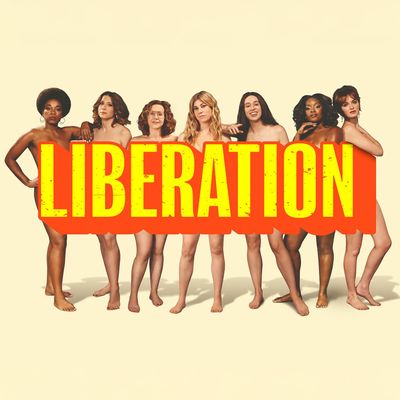
This week on Odd Woman Out, Tutz sits down with the powerhouse Tony-nominated women behind Liberation — Betsy Aidem, Bess Wohl, Rachel Sussman, Susannah Flood, and Whitney White — for a conversation that is funny, honest, emotional, empowering, and very “what actually happens when women lead the room?”
Recorded at the Welcome to Times Square Studio, this episode dives into the heart of what Liberation means to each of them, the realities women still face during awards season and within the industry at large, and why collaborating with other women on a piece like this feels both healing and revolutionary.
We talk all things Tony Awards, the experience of bringing a female-driven story to Broadway, and the pressure, joy, and vulnerability that comes with creating art that truly says something.
We get into:
• What Liberation means to each of them personally
• Navigating Broadway and awards season as women in the industry
• The differences women still face compared to men in theatre spaces
• Why collaboration between women can be so powerful
• The emotional journey of bringing Liberation to Broadway
• The excitement, chaos, and surreal energy surrounding the Tony Awards
• Finding your voice while lifting up other women in the process
This episode is powered by WelcomeToTimesSquare.com — the billboard where you can be a star for a day.
If you love Broadway, powerful women, honest conversations, and hearing what really happens behind the curtain… this one’s for you.
Follow @oddwomanshow
Follow @SammyTutz
Transcript
This transcript was automatically generated and might contain errors.
[0:08] Samantha Dawn Tuozzolo: Hi everybody, it's me, Samantha Dawn Tuozzolo, your host of Odd Woman Out, a show where we talk to women, artists, and just women in general about what it is like to be a woman in the entertainment industry and a woman in the world.
[0:21] Samantha Dawn Tuozzolo: We're talking some crazy stories, some experiences, overcoming insecurities, but we're having a great time while we're doing it. So thank you guys so much for tuning in and continuing to show love and support.
[0:34] Samantha Dawn Tuozzolo: I love you, my odd squad. Stay odd and send a woman in your life a text today and tell her how fierce she is.
[0:43] Samantha Dawn Tuozzolo: Hello to the ladies of Liberation, Tony nominees. Thank you so much for being here. You are all now odd women. Repeat, odd women.
[0:46] Samantha Dawn Tuozzolo: Thank you so much. A lot of people are listening, and so I want you guys to go around to kick this off and introduce yourself and let us know what your Tony nomination is this year. But while we do that, I'm gonna pass around this odd woman hat, and you're gonna pick a name out of the hat, check and make sure it's not your own, and then pass the hat.
[1:11] Samantha Dawn Tuozzolo: Okay. We're gonna multitask. Are we able to do that? Do you think we're good? We can do it. But we're not announcing whose name we got.
[1:18] Samantha Dawn Tuozzolo: No, you're holding it. Okay. Rachel, why don't you start and introduce yourself and let us know about your nomination?
[1:24] Rachel Sussman: Hi, I'm Rachel Sussman. I'm one of the female producers on Liberation. And I am nominated for Best Play.
[1:43] Betsy Aidem: I'm Betsy Aidem, and I'm nominated for Best Featured Actress in a Play.
[1:48] Whitney White: Yes. I'm Whitney White, nominated for Best Direction of a Play.
[1:52] Bess Wohl: I'm Bess Wohl, and I'm also nominated for Best Play along with Rachel and our other producers. And I consider everyone who worked on it a nominee along with me.
[2:03] Rachel Sussman: Yes. I agree. This play is so, so stellar. And congratulations to all of you on your nominations, but we have repeat nominees here. So congratulations on that.
[2:12] Samantha Dawn Tuozzolo: So everybody just picked a name. I want to start this conversation off by opening your name one by one and saying something nice about that person or your favorite memory with that person from the Liberation process. Susannah, why don't you start? You seem so excited.
[2:26] Susannah Flood: Well, I'm thrilled because the name I drew was my own.
[2:32] Susannah Flood: All right. My favorite memory of myself. Did we switch? Is my birth?
[2:38] Susannah Flood: Okay. Both my own and my... okay. We switched. Okay. I said not to keep your own.
[2:46] Susannah Flood: Oh, oh. I know I changed it. We were multitasking.
[2:51] Susannah Flood: Um, you want me to start?
[2:56] Samantha Dawn Tuozzolo: Yes, please.
[2:57] Susannah Flood: Okay, Bess. Um, my... I mean.
[3:07] Susannah Flood: Bess is the person at the table who I'd worked with before. So I guess like there's not just one single memory. It's the privilege of sort of knowing someone over time, sharing life with them over time, sharing art with them over time. And I think that personal relationship really made me feel that I had permission to speak for you on stage and speak for the play. And also to speak for myself. I think I trusted Bess, trusted Whitney. We're talking about Bess right now. I trusted Bess. Best trusted me. No, no, no. Just to say, like all these things I could also say about Whitney, but um, Bess trusted me. And I felt that I could, I felt that, you know, I could speak for myself and she would be okay with that too.
[4:05] Samantha Dawn Tuozzolo: Love that. I wish it could be more specific, but it's just like it's such a big, it's a big, big relationship.
[4:12] Samantha Dawn Tuozzolo: Yeah, yeah. Okay, Bess, why don't you go?
[4:15] Bess Wohl: Okay. Wow. Um, Rachel. Should I address her in the like you've always been proposed? I know it's like it's like Love Island, the theater edition. From the moment I first met you, I know I appreciate so many things about Rachel Sussman. I mean, one thing is just the courage to take a play that was not your usual Broadway fare necessarily, that wasn't star-driven, that interacted with a lot of really thorny, complicated things, and to believe that it belonged on Broadway, like that leap of faith, which I feel like you never wavered. Like you were just like, yes, this is what we're doing. This is what we're doing, you know, and I think that is like incredibly powerful as an artist to feel that you have that kind of wind at your back and somebody who really believes in the work and believes that it should reach the largest possible audience.
So I mean that is huge. And then I have throughout the process, I feel like you have been so sturdy in the best way in terms of like, let me explain what's gonna happen. It's gonna be okay. You might be concerned about this. This is why we know how to navigate it. Like just feeling that someone is sort of steering the ship with confidence and steadiness so that we can sort of go make our art and have our, you know, revelations and freak outs and everything in between, you know, to have that steadiness in a producer and have that feeling that you're in just wonderful hands. That has meant so much to me through this process.
[6:11] Rachel Sussman: I love that as an audience member.
[6:14] Bess Wohl: Thank you for bringing this play to Broadway.
[6:16] Rachel Sussman: Well, I mean, I thank you for writing it and giving also something we could bring to Broadway in the first place. Why don't you go next?
[6:23] Bess Wohl: Okay.
[6:27] Whitney White: Hi, babes.
[6:29] Bess Wohl: Hi, babe.
[6:30] Whitney White: Um, you know, I've known Whitney since we were like very early career together, starting out, and I've always marveled at your ability to balance ambition and your life beyond this business and how those things actually make you such an extraordinary artist.
[6:58] Bess Wohl: Thank you.
[6:58] Whitney White: Um, a memory that I do really cherish is like we live in the same neighborhood in Brooklyn, and we took a car home from tech together.
[7:10] Bess Wohl: That was a good car ride.
[7:11] Whitney White: A lot. And we would move like between talking about very specific design needs in the show to then being like, okay, so the preschool your son's gonna go to and the way in which I feel like you caretake for your collaborators, both in a process, but then also in your life and the way that you cherish us as like three-dimensional people and not just like the producer to you, I'm also your friend and you make me feel like a meaningful collaborator. And I know that's true for everyone who works with you.
[7:44] Bess Wohl: Thank you.
[7:48] Whitney White: Love you.
[7:48] Bess Wohl: Love you.
[7:49] Whitney White: All right, Whitney, your turn.
[7:50] Whitney White: Um, all right. I have a super specific memory. Betsy Aidem. So there is a scene in the play in act two, where a woman comes on stage, Joanne, that we haven't met for a long time. And it kind of kicks off a series of long scenes that end up with a memory of Lizzie played by Susannah Flood, her this character watching her mom and dad kind of almost break up. I don't want to give too much away because we want you to all come see Liberation. But at the end of the scene, at the end of the scene, Betsy Aidem had an entrance with a little cube of beer. And we have been stuck on the scene. We were, this is actually when we were off Broadway. We'd been musing the scene, laboring on the scene. Shout out to Kayla Davion and Charlie Thurston and Susannah Flood because they really stuck in the boxing ring with me.
But we'd been laboring on it, and Betsy had been waiting for her entrance. And I kept saying, Betsy, this might take a while. Do you want to take a break? And you were like, No, I'm just gonna work my stuff. I want to work my stuff. And that made me fall so in love with her. She's like, I'm not going anywhere. I'm here to work my stuff. I'm gonna look at my text. Because I think as a director, my fear is always like, Am I too intense? Is it too rigorous? You know, give actors breaks. And Betsy was like, Oh no, I'm ready. And every time we got an inch within your entrance, you were like, boom, you were always on time for that, over and over. And I had to keep going back. And you barely got to do any of your scene that day.
And you didn't slap me in the face. And you were incredibly gracious, humble, and professional. And then when we finally got to your scene, you killed it. And it was like the biggest laugh that we've had in the rehearsal in a long time. Hi, Bill. You know that entrance. And I was like, I'm in love with this woman. I want to be this woman. Um, yeah, and it made me really love you, and I always will. It was such a great day to be a director in the room with you.
[9:49] Betsy Aidem: Oh, that's so, so great.
[9:51] Whitney White: Okay, Betsy. Wonder who Betsy has.
[9:53] Betsy Aidem: Uh, the only one left, Susannah.
[9:56] Betsy Aidem: Um, who, gosh, uh, I got to watch you in half a dozen plays before I ever got to work with you, and you kind of scared me because you have a sort of hyper-real ability. You're almost like a Surat painting where all there's all these dots of all this different stuff, and then you stand back and you see the whole, and um, and you go to places in a with the kind of bravery that I'm not even sure I'm capable of. So getting to act with you, and we had three scenes, two-person scenes together. Um, getting emotional, just talking about it. You bring me to a place that I rarely get to go, which is this hyper-present place because you're so hyper-present that then I suddenly don't have to think about the work, whatever I've done and prepared is just out the window because you're there giving me everything I need and more.
And I just became a better actor for acting with you. So I just I feel like so grateful that I got that experience. And I also feel as playing your mom and being the oldest one in the cast that I'm gonna get to see like decades more, hopefully, of your work, you know, that I live that long to see all the different places you go. And that I really look forward to.
[11:17] Susannah Flood: Oh, that was so great. Thank you.
[11:19] Betsy Aidem: I agree. I can't wait to see decades of Susannah Flood and you as well. So I started off this conversation doing that because a big theme on this show of Odd Woman Out is women supporting women. And so that was really beautiful. Thank you all for sharing all of that.
[11:33] Samantha Dawn Tuozzolo: So we're in the thick of award season, of Tony season. The show is called Odd Woman Out. I want you guys to tell me about how you're feeling maybe like an odd woman out, doing all this press, these events, this luncheon, a story you might want to share where you know, insecurities come up from, you know, pressures that women have specifically in the award season circuit. Anyone wants to jump in first? Feel free.
[12:02] Rachel Sussman: Well, when the nominations came out, you know, I was surprised to be the only woman nominated in my category. I saw everybody's work this year, and I just want to take a second to really shout out the other women on Broadway this season, the other female directors. Um, yes, there was Lyra de Bassinay of Ragtime, but also Debbie Allen of Joe Turner's Come and Gone. That production shook me to my core. That production made me reconsider the plight of black men and the destruction of the black family, and it was gorgeous.
[12:35] Betsy Aidem: Annie Kaufman's work was beautiful, and Phila Deloitte also had a revival of Mama Mia, and then there was me. And so I felt really proud to be in the season with these other female directors. Um, and I did feel like the odd woman out, um, a grateful odd woman out, an excited odd woman out, a politically motivated one, but singled out just the same. Um, and it still feels surreal that that is the case. It's 2026. I don't think I'm that old. Um, Auntie's getting older by the minute, but it still feels odd that I could be the first of anything, let alone the only one of a group. So that was a weird moment. We do need to take a moment to say history making. Yes, as a black woman being nominated twice as a director in the best play category. Very surreal. And could make history should this one happen, which is amazing. We'll see.
[13:32] Susannah Flood: Yes, yes. Anybody else have an experience through this award season?
[13:37] Bess Wohl: Well, I there is something I want to say that that I've been thinking about is that um, but it's not really about um cam. Well, I'll just say it. You know, this is a new play. Like the play won um a Pulitzer Prize, so and and we did a great job with it. So it's really, I think like we sort of made this look easy. And there's a little bit of a danger in that because it was not easy. Like when was the last time that a director had to put a new play up on Broadway that has two acts and big, big dramaturgical swings in it? That person was Daniel Aachen, and I believe he won his category. And when was the last time that somebody took years to write a play, uh, pursuing it through lots of different drafts and lots of different iterations that other theaters wanted to produce, and the playwright said, no, it's not ready yet.
I believe that person was David Ashmi, and I believe he won his category. You know, the the um the this is, you know, the problem with the a Tony Award season is that it you can't get out of these comparisons. So I don't want to, and I I really don't want to be in that mindset. I really want to affirm like the great work from all of our colleagues on Broadway this season. But I do want to say that doing a new play is blazing a trail through territory that has not been charted yet. And that's a different type of effort, that's a different type of risk. It requires more uh facility, it requires more ingenuity, it requires more bravery. You have to commit to the play before you know it's going to win a Pulitzer Prize, before you know it's gonna be nominated by Tony's. And we in the cast had to commit our naked bodies to that task as well, you know.
So I, you know, like it required us to put our faith in each other and in the art and uh risk humiliation. And not a lot of people out there are willing to do that, you know, 100%. And and I was talking to my um castmate, the beautiful and wonderful and talented and surprising, Audrey Corsa on the phone yesterday, and she said, the toil is a gift, and that is true. Like the the fact that we had all of that work to do made us better, made us the best thing that happened. I'm just gonna say it.
[16:03] Whitney White: I agree. And um, and it was a gift, but it was hard work. And and uh, and just because it it went well and it looked really free and fun and liberated, yeah, um, does not mean that uh it didn't require us to uh kind of uh like the duck below the surface, like really paddle hard against a lot of different currents. Yeah. Whitney basically had two and a half weeks to stage this play the first time we rehearsed it. Has some has anyone out there done that recently? Probably not. And while we're on the Whitney of it all, I do want to really dive into this because I was telling you before I was in a very heated conversation. This is a good one. Okay, spill the tea. About your cat about your category because for me watching the scene where everybody was nude, I was like, holy shit.
I don't think I could ever do that. And it's so brave and and but then you're not even caring that if anybody's naked. You're listening to their words, and so that takes a very talented and very special director to get a group of women on stage focusing more on this story. So, how are you, you know, dealing with this season and taking a step back? Like, are you letting yourself take a step back and say, holy shit, I did something groundbreaking because it really, really was.
[17:29] Whitney White: I think I want to get there. I want Bess and I and our whole cast and our producers and everyone here to get to the place of enjoying it. But I know that we're gonna have to fight very hard. And enjoyment, I think will come a little bit later. I think this thing that Susannah Flood just said about making it look easy. Uh, it's it's a problem that kills women's careers. You know, and I I really remember how much Bess Wool toiled on this play. Every word, every detail, dramaturgically correct beats, um, historically um, fact checking things and then building distinct characters. It wasn't easy, but the politics of femininity kind of means that we show up, we look beautiful, we we have our makeup and our glam on, and you know, we're also personable people.
We should we should also take a moment to talk about like the cult around like neurotic, unlikable men in theater. And we're not that. So I think we show up with grace and poise, and people are like, oh, it's the girls of liberation, oh, they had a great time. No, we had the most rigorous, challenging, impossible, a hundred odds against one experience, and we came out on top. So I think once we get over this hump over our fight for now, um, then I'll get to the enjoyment.
[18:48] Susannah Flood: Yeah. Well, from the an audience perspective, girl, enjoy it because you really like inspired a lot of artists and a lot of women artists. When I told you this already when I first created the show, I was like, I need Whitney White immediately. Immediately.
[19:01] Bess Wohl: Can I say something?
[19:03] Bess Wohl: Yes. Which is like the thing from a producorial perspective. Our play closed in February. So, to your question about like how do you participate in this season? We are reminding people not e not unlike the play itself, which is a memory play, about the experience and the feelings they had when they got to see it. Yeah. Because we're not running anymore. And yet we are still so present for so many people. Yes. And I think being able to own that. And just to call out what Susannah and Whitney have already said, this was a rigorous work of originality that came from Bess's brain. This is not based on existing IP. This is not branded. We had an extraordinary group of New York actors, real actors in our company.
And I think that is so important to remember. Like you said, the odds are stacked against us. We're the odd women out. And yet, look how we have persevered and where we are for real. And I think oh, go ahead and go down on jump on, you know, the endeavor to create the kind of intimacy that we did with these group of actors, you know, with what Bess put on the page, with what Whitney helped us do. Uh and with Susannah inviting the audience in a very real way into the lives of these people, allowed people, the audience, over and over and over again, to completely empathize and have an emotional reaction to the play. They weren't thinking about, oh, what a TV show or what film did I see these people in.
They believed our characters as we presented them because they knew nothing about who we were. And I think that is gives people a permission to have an emotional experience. Every time I run into anyone, I'm on the street or I'm on a bus or I'm on the subway, or I walk into a store. People come up to me and say, Oh my God, you were in liberation. They put their hand to their heart and their eyes get watery. I've encountered this over and over again because it created an emotional impact. I've seen a lot of other plays. I don't, I don't think anybody else offered that for people to enter into a world that they've thought about their mothers, they thought about their grandmothers, they thought about the things that they had been hard won for them.
And I think it's a very important thing going forward because, you know, only two women have been nominated for a Tony who've won a Tony in 79 years. Yeah. Why is the world so geared for men? I just it's still that way. We are still fighting that fight. And I think it's really we stand out in a season that is about more than half the population that is still underserved.
[21:47] Betsy Aidem: Yeah, I agree. Betsy, while while I have you, I want to really talk about your monologue about the lists.
[21:56] Betsy Aidem: The list. And also shout out to your guys' publicity team. Thank you for the content on YouTube. It's like quality too. Um so I watched this monologue a few times and it makes me very emotional because it's still that way in 2026 for a lot of women. Women that are present in my life, it actually makes me really sad to think about because it's not something that's only existing in the 1970s. It's still existing now. So how did you tackle that specific? I mean, your character's so rounded and tackled so many things, but that specific monologue and those specific feelings, how did you tackle that and like leave that heavy emotion on the stage?
[22:39] Betsy Aidem: I had a lot of help from Bess Wool's writing and a lot of help from Whitney, because Whitney really kept encouraging me to go into a zone of of of like starting the tasks and relating them to the people I was talking to, and then being in the house and doing the tasks and disappearing into the I went into a palace thinking moment in order to learn it. And I saw my house every time I did it I was inside my house. I knew where Bert was in relationship to me in the house. So it would in a way it took care of itself. There were times that I felt like I I didn't quite get there but it always brought up something about feeling trapped. And I think every woman at some point in her life feels trapped.
And uh the rage that that that you aren't able to express and the rage that you are able to express uh is is it just it it it took care of me. And it arrested the show every night. I mean it people stop to clap every night uh it because a lot of people you know felt the same way but also it's virtuosic it's just completely virtuosic.
[23:50] Bess Wohl: Well best actually no you I'm talking about you'll it's really hard for me to take it take it no but I can tell this story which is that um well the list itself came from uh something that a friend told me that her mother did she just told me I wasn't re even researching the show it just was a story that someone told me of writing the list and leaving it next to the TV guide. And I just you know as a writer you like put stories in your back pocket like and I didn't have it in the play for draft after draft after draft after a draft and then we cast Betsy Adam and I was like okay Betsy Adam can deliver what I'm imagining which not any actor could. So I actually wrote the list after Betsy was cast in the role because it wasn't a challenge that I felt comfortable giving to just any actor.
Right. But I knew that Betsy could pull it off. I thought a great actor gives you the most incredible artistic freedom as a writer because you think I could give this to Betsy. I could give this to Susannah. Like they will deliver. And so that list I don't think would exist if Betsy Adam hadn't played this role.
[25:09] Bess Wohl: To a certain degree. I mean, the list is definitely an example of that. I feel like Susannah and Whitney and I were in dialogue a lot about sort of how her character was powering the play and what the engine of the story should be and what the stakes for her in telling the story were. And then there were parts of the play that sort of arrived kind of cooked that we didn't get into or mess around with a lot. This wasn't, I've worked on some plays where we're like pulling scenes out, putting scenes back in, changing the whole, you know, second act during previews. It wasn't that kind of experience. We sort of except for the interviews.
[25:50] Whitney White: I know.
[25:52] Bess Wohl: Yeah, we did do a little bit of that off Broadway, but it was an interesting blend. But there definitely was a lot of I love how I'll never forget what actors are getting. In writing this Pulitzer Prize winning play, shout out. Congratulations. Period. In writing this play, was there one specific character that you learned a lot from while developing that character?
[26:20] Betsy Aidem: You're asking me to pick the character that I learned the most from. I feel like I learned a lot from every single one of these characters, to be honest. And I can't necessarily say that there was one that was the most revelatory for me as I met her. And I really I had a very unique experience of writing this where I felt quite strongly that these women existed and that they were waiting for me to have their stories told. And I love even in the months before I had some designated writing time to get to this draft of this play. And I could imagine them in my head waiting in a sort of little ante-room, like a waiting room with their purses on their laps, waiting for me to clear enough time to just focus on them and tell their stories.
In my head, I kept saying to them, don't leave, don't leave, don't leave. I'm coming, I'm coming home. And so then once I went for a retreat to really sort of like write the first draft, once I had this particular approach after the eight million other approaches that I tried. And I almost felt like I was listening to them talk and just trying to keep up, which was a really amazing experience. I think the character who actually came into focus last for me was Susannah's character of Lizzie, because she was the one who I felt like I shared the most in common with. And I think it's always harder to see yourself or a version of yourself than it is to see anybody else.
[27:49] Susannah Flood: Yeah.
[27:49] Betsy Aidem: Can I say something about I think that, you know, so in college I was a rower. And rowing, for anyone who doesn't know, is like a very, it's a big team sport. You're doing it all together, but it's also very sensitive to small changes. Like the set of the boat can easily tip from one side to the other. And then, and then you know, you're that really that will really slow you down. So, like, I have these moments on stage where like that experience as an athlete really instructs me about what I'm experiencing as a performer. And the first scene of the play when everyone is beginning to sort of like introduce themselves, when every character is sort of like walking in and beginning to volunteer information about themselves and how they do that, the vulnerability, the kind of like tenderness of that, the like not the things that you end up volunteering when you're put to the spot and you have to say something first about who you are, and the social act of kind of like receiving that from people.
That anyway, that scene was always a scene in which the set of the boat required very little to maintain. Like you, you know, there are different places where like you have to kind of like turn a corner or something like that. Like you have to sort of be with the dramaturgy and you have to be sort of inside the play and outside the play at the same time. That was a scene in which the water was smooth, you know, and the boat could everybody the whole thing was balanced and it could all just kind of like glide along. And so that makes sense to me because like I really like every every night that scene really felt like well, I could really live in this forever.
[29:42] Whitney White: Um I love that to add on to your boat theory. Um when a boat is well built, there they you start to find like any play that's well built and put together as a great production, you start to find moments deep into the run where you catch, like I'd catch Adina's eye when they were going off to the protest, and she was sort of apologetically like, are we leaving you behind? And you have a moment of like somebody sees you. I would always look at Joanne after she came in looking for the um the her son's the jacket, or whatever the first time she comes in. And I would look at uh Kayla, and she'd look at me, and it was like a moment of like, yeah, we're the housewives. And it was just, I asked her for it.
I said, Would you look at me? Because I just want to have as we're passing, because we're the only two people playing her mother. And you know, each of those, there were little moments with Crystal and with everybody, with Audrey, with you know, Susannah. Renee would always look at me in a moment where I knew, oh, she might be pregnant. You know, there were just little things we'd catch each other because the boat was well built. And that's like the that's the gift that keeps on giving. I think that's why I like on directing ensemble based theater. And I'm the one thing I've been doing this Tony season is just reflecting it forces you to look back, you know. And I think about like the first show I ever directed in in New York was What to Send It When It Goes Down by Alicia Harris.
And that was another like, it was a team athletic sport kind of show like this. And you know, you try as a director to follow your Aristotelian poetics, you know, like the play kind of, you know, met all those beautiful things that you learn about in art school, it's form, its analysis, its rhythm, its beats, its language, its use of contemporary language as opposed to um poetic language, its use of imagery, its use of long form speech versus short form speech and and all those things. But even if you follow the most strictly poetical principles, like there is always the aspect of experimentation and what happens in your Petri dish once you get out of the way and let the organisms grow. And seeing how the show grew when we gave it just enough form was like the thrill of my life. And that is why theater is different than visual art and and sculpting and all these things, because there's the extra element of the human of the present that brings all those those things to life.
[32:14] Betsy Aidem: Yeah.
[32:14] Whitney White: Yeah. Love that. Thank you. Rachel, we're here talking about like how profound this play is and how important it is and how it affected a lot of people. I've been a huge admirer of yours for a long time, as you know.
[32:27] Rachel Sussman: You bring friends, yeah, of course. Friend first.
[32:30] Whitney White: Um, you bring these amazing women focused shows and important shows to Broadway. What the Constitution means to me, SUFs, liberation. What is fueling you to keep fighting so hard to be bringing these plays to Broadway? Because I know it's hard because I exist in the I exist in on campus, I exist in these streets. And I hear people say, well, why would they bring liberation to Broadway? It needs to stay in a smaller theater or things like that. So what is there's like a thousand seats. Sorry, I just gotta say that like the the we were in this giant picking theater. And at after the show closed, and I was able to see other plays, I was like, you guys, there's only 700 seats in here. Like you we're the people. Right. But also like people chattering on the street based off of what? So, what is fueling you to keep telling, keep bringing these women's stories to a larger audience?
[33:30] Rachel Sussman: They deserve to be there. I just think I'm so sick of an industry that has been historically an old boys' club, not creating the space. So we have to do it ourselves. And for me, liberation, I I read it in an early draft that Bess's agent sent me as like a massive fan of Bess's for a long time. And then I saw it at roundabout. And I was so overcome as a as a new parent, as a woman, as as all of the various mechanations of myself, and by this ensemble, by Whitney's visionary work. And it deserves the platform of Broadway. And Broadway is a place for us to try and make our money. But also it is the most um like high achieving platform for the American theater. And this is a play that deserved to be a part of that canon.
And I am a huge believer in yes, the present life of the play in that moment to go to Broadway, but also what it meant for liberation in its future, what it meant for liberation to have been on Broadway as it now becomes um a part of the canon as it goes into licensing, as it goes to London, as it goes and and has um productions done in regional theaters across America. The fact that it has been on Broadway and then won the Pulitzer and now is Tony Award nominated, all of those things are going to expand its reach. And I am always thinking about well, what is the tale? Like what is possible for this? I want to think about it not just today alone, but generations to come. Who is going to encounter it?
How are they going to encounter it? How can I help make sure that they have an opportunity to see it? And of course any show going to Broadway also has the opportunity to shift the paradigm. And I I like to think that somebody like Wendy Wasserstein walked with the Heidi Chronicles so Best Wall and Liberation could run. And that's where we are today. And who knows in in 10 years, 20 years, somebody else will get to do a play because liberation was on that girls in fifth grade right now who we don't know. She could be writing the best part you've ever played starring Susannah. That's real like Broadway is even though it's a space for entertainment and it is a space for great American stories, it's also a space to make political change and assert into the universe a world we want to live in and the things we want to change about the world and we have to we need to start admitting as an industry that we have a responsibility working at the in in a space that is the pinnacle of what American theater is to put out there what the world could be, not just what it is.
[36:48] Betsy Aidem: Yeah.
[36:48] Rachel Sussman: And I will also just add, like, part of my whole MO as a producer in terms of like the stories I want to tell, I want to leave the world better than I found it. Um, and I'm a huge believer. I mean, it's the epigraph of subs in a way, but like from the Talmud, this idea that you are not obligated to complete the work, but neither are you free to abandon it. So I will always be working to try and make this world for this industry better. I feel that responsibility as a producer. Um, and of course, and that's what he said. I also want to entertain people. And I think that's the power of liberation. People um went to it because they heard it was incredible. The performances were astounding. They probably didn't, they didn't expect to laugh as much as they did.
And they probably didn't expect to cry as much as they did. Also, 100%. So we've talked a lot about different challenges you've all had with this piece, with directing it, with performing it, with writing it, with producing it.
[37:46] Bess Wohl: But if you could pinpoint the biggest hurdle during the creative process, the biggest wall you hit that you had to overcome in bringing this to Broadway and finding, you know, that specific moment. I would love to know what that was and how you overcame it.
[38:02] Bess Wohl: Well, for me, as the writer, it happened sort of alone before all of my beautiful collaborators came into the process with me. It was figuring out how to approach this story because it's so vast, and there's so many important elements to it, and so many constituents and so many complications. And I just thought this is too big, actually, for any one play to contain. And I had a real ambition to make something meaningful. I didn't know, of course, like the full extent of what the story of this play would be because how could I? But I did feel this sort of weight of the history behind the play. And I didn't want to get it wrong. And I didn't want to write something that didn't feel worthy of these women activists who changed the world and who put their bodies and their minds and their souls on the line for what they believed in.
I mean, what what a big hill to climb, actually. So there were definitely times, years actually, of paralysis where I thought this is too big. I can't. What if I write the bad play about this subject matter? You know, I just can't, I can't. I don't know how, I don't know my way in. And then it was really through talking to more real people who lived through it, doing more research, going back into the time, getting really granular with the details, and having the courage to insert myself, not my real self, but of an avatar for a playwright figure, into the narrative. Once I knew that that character would be bringing us forward and back in time, that was sort of the real breakthrough that liberated me to write the play.
But I had to overcome a lot of internal obstacles because I wanted to make something that both functioned emotionally on every level, as everyone said, the laughing and the crying, and I wanted to make something really rigorous politically. And I wanted to make something that contended with complicated thoughts. Like, do we really want equality? What's the relationship between equality and power? What does it mean when we say freedom? Like all of these really complicated philosophical ideas. I wanted to weave those into. So just getting to the writing was the thing for me.
[40:23] Susannah Flood: Right. I think one of my early hurdles was that I thought here I am playing a character who doesn't drive, who doesn't work, who has the sort of invisibility factor in her own home with her husband and her sons. And Whitney kept saying to me, you have status in this room. So I kept thinking, okay, here she got on a bus and went to YMCA and walked into a room of people half her age. How do I have status in this room given what my life is? And that was the biggest hurdle to try to accomplish how she took up space and felt entitled to express herself. And I really couldn't have done it without you and the group. I mean the group really looking around at each of them and sharing our introductions and you inviting us just allowed that thing to happen and I love your character so much and what you just said too and going back to like women in my life that I feel it are experiencing this like where do you find when you're when you make a list or when you ask for respect and you don't get it how do you find the empowerment? So thank you. I don't have a question.
[41:40] Rachel Sussman: Thanks. Mine is short but it's a struggle I had off Broadway helming the project off Broadway on Broadway and now in my own personal life is when we say the word liberation whose liberation are we talking about? Who's liberation are we talking about? And how can we get to a place where we can recognize this thing that Bess says in the play like if one if one woman is not free, none of us are free. Not none of us are free, right? If one, then none. And politically, being a black identifying woman, the history of feminism is a really complex one. And when you really start to look at the writing of Roxanne Gay and Angela Davis and some of the queer sectors of women who were who had criticism of like very pro-white femme forward spaces, that inherent conflict is something that I grappled with and it is in the text already.
And staying honest with that conflicting question of like, if it does my liberation mean that yours has to be sacrificed, or does yours mean that mine has to be sacrificed? And staying honest with that conflict. Like I like to always like imagine a soda can that you've just shook. It's just waiting to explode and just being honest that that is a complicated question that the play doesn't answer, that I can't answer, but we need to keep asking it. I think that that if I were to be really honest, that's something that kept my directing process alive. Just be honest about that, you know, and then everything will be okay.
[43:23] Bess Wohl: I just want to say that I think like that the fact that that is what's on your mind as an artist and a person in the world, like deepened the play, deepened the production, like far beyond what it would have been if anybody else had been directing it. And I'm even just talking about like the way the other characters listen to me when I'm speaking, you know, like that if they're not listening to me with rigorous challenge, the play would not have been as exciting. And that I think that was I don't want to speak for you, but like I hear you right now saying that was important to you, and I think it made the play better.
[44:05] Betsy Aidem: Thanks. I mean, we did a lot of research as a group best, has done all this incredible just wait for that fog horn. Are we on the Riviera? Where are we? Yeah, for real. From the noise hello Shen MS that I'm no guys, it's Ana Christie is being revived on Broadway. Like we'll say, anyways, blah. You know. I will just say off of what Bess and Whitney said, it was then our job to take all of that complexity, those contradicting questions and position it in a way that could be packaged to an audience. People will say, hey, how do we now say you should buy a ticket and see this? And how do you hold all of the which hearing you talk about it, I'm like, I want to see that tonight, you know. But how do you do that in a way that is, you know, advertising speak, marketing speak, in a bite-sized way when there is so much competition out there, and so much misogyny.
Yeah, and you're fighting for space. And so, you know, we spent a lot of time talking about how do we balance the fact that you know it's a period piece about women, which historically for a lot of audiences is actually a turnoff, right? So like you have to be able to balance it's it's a piece that you really do deeply want to see. That's a universal story. But it's something that I think Betsy said earlier, where like male protagonism is like breathing air, is like how I feel about it because it's like everywhere we go, women are taught that that is sort of the status quo. So to be able to flip the switch on that and to say this is also the most deserving play on Broadway that you should be spending your time, energy, and dollars on.
And I think you know, we decided to take a risk and put out some key art around our show that was also sort of like complicated, controversial internally, and created a lot of exciting conversation, I think, that ultimately drew people to see the play. But yeah, positioning the play and trying to figure out the strategy around it was the was the big thing on the producing end.
[46:25] Betsy Aidem: And to piggyback on the protect, sorry, the male um protagonist thing is you know, we're it would be very easy to categorize us as whining about the situation. We're not whining, we're asking for a seat at the table. You know, plain and simple. That's it. Guys, Betsy Ada. Betsy Ada. Sorry. Period. Love her so much. I just, yeah, I think like the hurdle. I guess like in starting like the play out, like there's a lot of uh, there's a I feel like there's a lot of sort of like fake fourth wall breaking out there where people are sort of like, hey, how you hey, hey guys, how you doing? You doing good? Great. Exposition. And I and I and like it felt important to me because the play is about the power of conversation and because people are coming in at a lot of different and with a lot of different attitudes.
Like, you know, that if you're gonna ask someone how are you doing, you're not lying to them in that moment. Like you really want to to know the answer to the question. And um, and so I guess like the the tricky thing for me was that like it was really important to me that every time I talk to the audience, they feel that I mean what I'm what I'm the questions that I'm asking that I want to hear their responses, that they're invited to call out back to the play, that it's a real conversation that we're having. And the fact that there's like this huge range spectrum of um willingness and attitude sitting in the audience every night meant that that action introduced a big volatility factor into every night's performance for me.
And it really did feel improvisational. And sometimes I did not feel like I knew totally how the most graceful way of like weaving everyone's real responses together into a fabric for the evening. And, you know, that was really like scary. Like that felt like um, well, I might humiliate me.
[48:36] Whitney White: You did that mellifluously. And there were some hecklers, and you just like you handled it with grace. And and 90% of the people who saw the play thought you were best wool. They thought they were the playright coming out or some stage hand. You you didn't come out with a presentational, you came out with an invitational.
[48:55] Bess Wohl: Yeah. Well, I guess like I guess the only thing I'm saying is like to to biggy back off what everyone has said here about like what the hard thing is. The hard thing is that people are different. People are different from each other. And we ha we are trying to work together to make something real and lasting. And that's hard politically, that's hard artistically, uh, that's hard interpersonally, but like that's the only thing that really matters in this life. The thing that we did is more important than what is happening. 100%. And it's the only thing that like lasts, you know.
[49:32] Betsy Aidem: I agree with that. Don't you think also part of the action? It's the reason you're sorry, it's the reason you're wanting this conversation. It's the reason anyone is still talking about the play, is because that's what we put forward.
[49:42] Bess Wohl: Sorry, Bess. No, no, no. I was just going off of what you said of all the sort of diverse um opinions and reactions that you encountered in your first monologue of the play. I actually think from having been there in the audience and through the work that Whitney and all of you did, part of the action of the play actually became taking all those divergent people and suddenly unifying them so that by the end of the play, when the two of you are on stage, sort of in this moment of transubstantiation where you become mother and daughter, everyone is unified and like waiting on your every breath and crying together, so that it felt like surprisingly, part of the action of the play became taking what you received at the beginning and bringing people together in community, which I think is what theater is meant to do.
[50:37] Betsy Aidem: Yes, a thousand percent. And I will say, I think that is what ultimately, even if people didn't know what they were seeing when they walked into the theater by the end, the way in which, like, word of mouth, which you can't pay for, you can only pray for, the way in which that went out into the world and galloped our audiences to like become evangelists for us because they just had this experience.
[51:09] Rachel Sussman: And frankly, it's it is that last scene in the play where I think, as Bess said, everyone is so unified and they go out into the world and they are trying to make sense of what they've seen.
[51:20] Susannah Flood: Yeah, for sure. And that's the win. I mean, you know, people say, Oh, you know, are you excited for the Tonies? I'm like, I got to do the play.
[51:25] Betsy Aidem: Yeah.
[51:28] Susannah Flood: That was the win. I got to play this play with all these extraordinary thoroughbred theater people. That's the win. You know, it doesn't matter. Like you said, it doesn't get better than unfortunately. I think we still live in a time where we're women, where voters and people who have power look at women, not everybody, but it still exists.
[51:52] Rachel Sussman: So, like, we lost a huge election with a woman, you know. So, yes, I do think talent and art comes first a lot, but not always. But talent and art came first in this piece.
[52:05] Whitney White: Well, I mean, I think it won out. I think I feel like it won out, you know what I mean? Like, maybe it didn't come first, but like people walked away being affected.
[52:15] Betsy Aidem: So whether they're whether they're willing to sit consciously say, oh wow, a woman made me feel that, or whatever that is. Like, whatever that is, they were touched.
[52:26] Rachel Sussman: So, like that eventually will that's information that went in there, that's going somewhere. We paid it into the well. It hasn't gone away. Like, you know.
[52:37] Susannah Flood: Yeah, and there are mothers whose daughters called them after seeing the play and asked them questions they'd never asked, and yeah, or missed their mothers and wished they'd asked them questions.
[52:46] Betsy Aidem: Susanna, you talking about the boat, right? You drove the boat of this play. Do you think this show and this character and the text and the experience changed you as a person and an artist? And how so if you think it did?
[53:00] Susannah Flood: Oh well, uh, I mean, changed me. I've never had the opportunity to stand on stage and speak so directly from the questions I'm waking up with in the morning as I did in this play. The thoughts that are being wrestled with in the play are the thoughts that I am waking up with, whether I'm doing the play or not.
[53:32] Susannah Flood: So I feel changed insofar as like, you know, my parents were acting teachers. I have I was an only child. I had no hope of doing anything else with my life or finding meaning in anything else. And um, and so when you're young, you're like like having these dreams. Like this, this was the dream to to uh to to lead a play where I get to say what's important to me in the most direct and personal ways possible, and in the most direct and personal manner by which coming down stage center and being in the light and saying my child, my mother, XYZ, like nobody gets that, and everyone works a lifetime to be worthy of that, of of a opportunity like that.
[54:22] Susannah Flood: So um, so in that regard, I don't I, you know, like I I'm still kind of working out like how like what happens next after this, you know. But I I'm like carrying it with me forever. And um, and the fact that we got to do it over time and have our thoughts deepen over time, you know, that like you're always beholden to time. You cannot know things before time delivers them to you.
[54:41] Susannah Flood: The fact that we got to return to it and our thinking had deepened, even whether or not we like consciously were trying to deepen it, that was hugely instructive. And also just, you know, I just like I keep thinking about what it was like to rehearse this play off Broadway. Like it we it was the wild west. We didn't we you just you know, I wish I could. Shout out to Ronabout though, we love you, thank you for programming.
[55:18] Betsy Aidem: Yes, absolutely.
[55:19] Susannah Flood: No, but I'm like, I mean, I guess I'm just saying like that damn the torpedoes, like we had to figure it out.
[55:25] Rachel Sussman: Yeah.
[55:25] Susannah Flood: And um, and it had to become okay being seen, not knowing what you're doing. And that definitely has made me a better artist. It will continue to make me a better artist. I don't really feel scared of anything. I invite the world to try me.
[55:43] Betsy Aidem: And um, yeah, yeah. And I'm and I and I'll just I'll never like I'll never stop being grateful for my collaborators and just because you said you said such incredible things about me earlier, Betsy, like, you know, every night, like you we get to these scenes with Betsy. It's like this character is sort of like in a whirlwind fighting with herself in deep conflict with herself for a long time.
[56:09] Susannah Flood: And there would be, we'd sort of like arrive at these moments where we get to do something together, where Betsy is like there for me and she's listening to me, and she's perfect and generous and kind while also being like a hard ass and steely and capable of anything. And uh I needed you in that moment.
[56:31] Betsy Aidem: I really needed uniquely you.
[56:33] Susannah Flood: It was mutual. And you could feel like everything you all have talked about today, the collaboration and like the deep connection, you can feel that in it read to the audience. And I think this is why it's made such an impact because you can have an amazing script and an amazing director, but if the heart isn't there with the company, it doesn't translate.
[56:55] Rachel Sussman: It starts, you know, with the producers as well. And you guys just crushed it. Whitney, remember when you would yell at us, you have to do this together. You cannot be soloists, you have to do this together.
[57:07] Whitney White: I think having a symphony helped.
[57:12] Betsy Aidem: Man, this was so amazing. Thank you so much for being here. Congratulations on all of your recognition.
[57:20] Rachel Sussman: I'm campaigning in these streets every single day. Please don't think I'm not.
[57:25] Susannah Flood: Um, we talked a lot about how this play made an impact and how it's making a change, but there's still a lot of change for women in the arts to be done. So, what did what would you say to the next generation of women to continue to fight for women's stories to be told?
[57:43] Betsy Aidem: Let's say learn how to produce. I would say learn how to make a budget. I would say learn how to approach people you want to work with. Our female producing team was heroic. We need more female producers on Broadway in TV and film who are not just working on one project, but five, 10, 20 projects, like a Scorsese.
[58:04] Rachel Sussman: The Swan Song to being an artist is a powerful one, but I think every artist also has the ability to generate and support other people. So, you know, go to that producer's meetup, check out uh WP Theater. They have an incredible producing program. I know that Sussman and I are both products of that program.
[58:21] Betsy Aidem: And I think that that would be that is really what I'm walking away from this Tony season, feeling very passionate about. The next time I meet a young woman who says, I think I want to produce what can I do? Let her produce me. Like, how can I support a woman who wants to be a facilitator of good work?
[58:38] Rachel Sussman: Can I just adding on to that? I think sometimes the danger of the fact that often, let's say, in a group of Tony nominees, there's one woman, um, one woman director. It feels like there's only room for one. And then we start to feel like, well, if it's her, it's not me, you know.
[58:57] Betsy Aidem: And I think part of what was so beautiful to me about the way we made this play, the way Whitney led us, the way our company worked together was we did it for each other because of each other in community.
[59:10] Rachel Sussman: And so I think what I would also say to young women is like just because there's only one now doesn't mean there can only be one. Lift each other up, yeah, bring each other along. You are stronger in community, you are stronger together. It's not a competition, it is a collective action.
[59:28] Betsy Aidem: It's a super collective action.
[59:30] Rachel Sussman: It's a collective action.
[59:31] Betsy Aidem: Yes, it is for men too. Like whether they acknowledge that or not, like nobody does anything by themselves. All these great, you know, we're talking about the who was it who was talking about the the fetish of like the um unlikable male superstar. None of the those guys had moms. Every single one of them came out of a woman.
[59:50] Rachel Sussman: Uh I'm just it which is just to say that like we actually we are nobody is so good that they cannot be lifted out of themselves by encountering the greatness in other people.
[1:00:01] Betsy Aidem: And um, and so yes, yes, yes. And also like we we need to also uh remember that men included, like they're also operating like that. They're also needing of others, right? Whether they'll acknowledge it to you or not. So just don't put a distance between yourself and them and your mind. There's no difference there.
[1:00:22] Susannah Flood: Yeah.
[1:00:22] Rachel Sussman: We're raising three of us are raising incredible feminist sons, I would say.
[1:00:27] Betsy Aidem: Um and I would just say for me, and and thank you for I'm so sorry.
[1:00:33] Rachel Sussman: Yes, of course.
[1:00:36] Betsy Aidem: And and I will say that what what uh Whitney was saying about women and producing and like this leadership, right? Because it is like so much of like you need it from the top down, and the onus is on those leaders.
[1:00:51] Rachel Sussman: And I think it's a lot of not waiting for permission, taking space, uh feeling agency, but also knowing that you don't have to do it alone.
[1:01:03] Betsy Aidem: Like you can do it in collective and in and in concert with so many others, and I mean other people generally. It doesn't just have to be a group of women, but that um I I always feel when I'm working with others, like I feel so much more accountability to getting it done and to like our shared collective vision.
[1:01:21] Rachel Sussman: Don't be afraid to ask. Don't accept being a hired hand. You know, AOC asks for signatures. You know, you look around and you think, how did you become a producer? You were my acting student, you know, Rachel. So I think I just think you just have to not be afraid to ask.
[1:01:37] Betsy Aidem: Yeah.
[1:01:38] Rachel Sussman: Thank you so much for.
[1:01:40] Betsy Aidem: And also congrats to you.
[1:01:41] Rachel Sussman: Yeah, thank you. This is the only space I get asked these questions.
[1:01:44] Betsy Aidem: That's right.
[1:01:44] Rachel Sussman: With so much care and depth. Exceptional questions. You're doing like asked anything I blocked out. That was an amazing question.
[1:01:49] Betsy Aidem: No, you're you and everyone on your team, you're doing a great service to us all.
[1:01:55] Rachel Sussman: And I can't thank you, ladies, enough for joining me. This was amazing. You have won every award in my book.
[1:02:02] Betsy Aidem: But I'm still gonna be campaigning.
[1:02:05] Rachel Sussman: Okay, thank you. Thank you. Best of luck. And I can't wait to see we love you, Todd.
[1:02:11] Samantha Dawn Tuozzolo: Hello, my odd squad. It's me again, Samantha Dawn Tuozzolo. Thank you guys so much for tuning in to this episode, this literal iconic episode. Don't forget to like, subscribe, and follow to the show. Tell somebody else to take a listen.
[1:02:26] Samantha Dawn Tuozzolo: Uh we are odd woman show on Instagram and TikTok. And you can follow me also if you want at Sammy Tutz. I love you, my odd squad.
© Broadway Podcast Network, All Rights Reserved