

Survival Jobs, the podcast that spotlights the hustle and heart behind the entertainment industry, is back with a special live-recorded episode from BroadwayCon 2025!.. Read More
From the show: Survival Jobs: A Podcast
Guests

Featured Shows

About
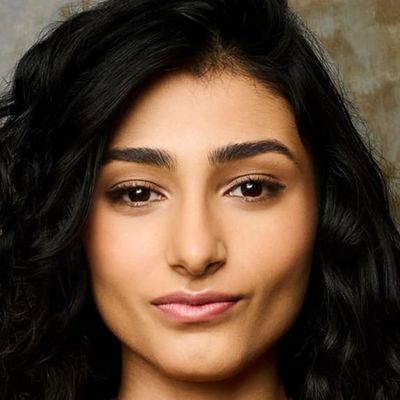
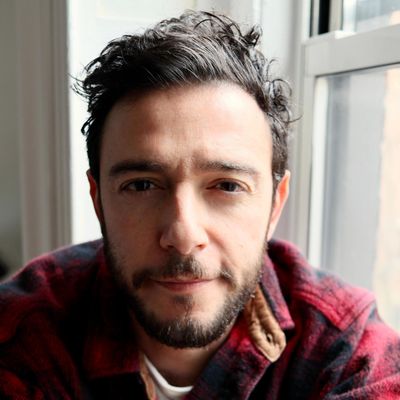
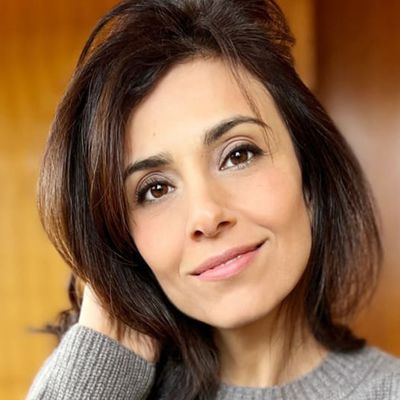
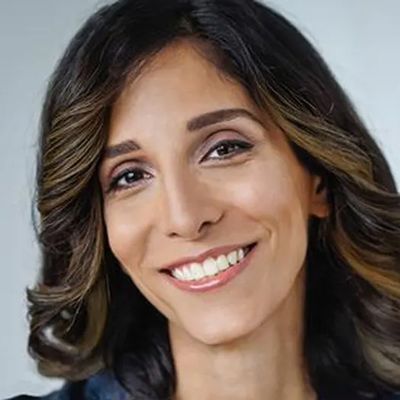
Survival Jobs, the podcast that spotlights the hustle and heart behind the entertainment industry, is back with a special live-recorded episode from BroadwayCon 2025! Episode 119, “The Journey to Your Broadway Debut,” is now streaming and features an inspiring and in-depth conversation with the entire Broadway cast of the Pulitzer Prize-winning play, English. Hosts Jason A. Coombs and Samantha Tuozzolo sat down with Tala Ashe, Ava Lalezarzadeh, Pooya Mohseni, Marjan Neshat, and Hadi Tabbal to discuss their experiences making their Broadway debuts in such a groundbreaking and timely play.
The cast spills the tea on what it means to have English as their first Broadway credit and the significance of this play in today’s social and political climate. Plus they share Insights into their rehearsal process and behind-the-scenes moments as the play uses a unique storytelling device to bring these characters to life.
To close out the conversation, the panelists take part in a fun and upbeat Broadway Debut Trivia Game, adding an entertaining twist to an already inspiring discussion. This episode was recorded live at the 10th anniversary of BroadwayCon on Saturday, February 8th, 2025. Tickets for English are available online here and at the Todd Haimes Box Office. The play runs until Sunday, March 2nd—don’t miss your chance to experience this powerful production live!
This exclusive video episode of Survival Jobs is now streaming on Broadway World, with the audio version available on Apple Podcasts, Spotify, Audible, and wherever you listen to your favorite podcasts. Don’t miss this star-studded conversation—tune in today!
You can support the podcast and the hosts at www.buymeacoffee.com/SurvivalJobsPod.
Support Your Hosts:
- Broadway World Article on our Season 3 Launch Party
- Follow Samantha: Instagram
- Follow Jason on Instagram | Twitter.
- Check out Jason's Official Website here
- Check out Samantha's official website here
- Check out and support The Bridgeport Film Fest
Support Our Guests:
- Follow Tala Ashe
- Follow Ava Lalezarzadeh
- Follow Pooya Mohseni
- Follow Marjan Neshat
- Follow Hadi Tabbal
If you enjoy Survival Jobs: A Podcast be sure to subscribe and follow us on your preferred podcast listening app! Also, feel free to follow us on Instagram and TikTok Thank you!!
Important Links:
- Supporting Transgender People in Your Life...
- Support the citizens of Gaza
- Native Land Map
- US Interior Indian Affairs
- NPR: "How To Help Puerto Rico" Article
- How to Help the People of Florida Article
- Abortion Funds Website
- Plan C Pills Website
- National Write Your Congressman Link
- How to help Uvalde families NPR Article
- Where to Donate to Support Access to Abortions Right Now
Please don't become complacent:
- Support the Black Mamas Matter Alliance
- Support Families Detained and Separated at the Border.
- Support the AAPI Civic Engagement Fund.
- Support Black Trans Folx here
- Donate to the Community League of the Heights (CLOTH)
- Support the People of Palestine
- How to be an Ally to the AAPI Community
- 168 Ways to Donate in Support of Black Lives and Communities of Color
- The New York Times: On Mexico’s Border With U.S., Desperation as Migrant Traffic Piles Up
- PBS: How to help India during its COVID surge — 12 places you can donate
- Covid quarantine didn't stop antisemitic attacks from rising to near-historic highs
Opening and Closing Theme Music: "One Love" by Beats by Danny | Game Music: "Wake Up" by MBB.
Transcript
This transcript was automatically generated and might contain errors.
[0:08] Samantha Tuozzolo: Hi everyone, welcome to BroadwayCon day two. How's everybody feeling? I know it's early. Let's get that energy going. These guys did a show last night. They have a two-show day today. So before we formally start, can we just give them a round of applause? Like, thank you guys so much for being here. Jason and I dreamed up this panel with all five of you and are so grateful that you're here.
[0:36] Jason A. Coombs: Thanks for having us. And if you haven't seen English yet, it's a must-see. I saw it last night, so I'm like fangirling over here quietly because I'm still like in it from last night. So anyway, we are Survival Jobs a podcast, and this is our third time moderating this panel, The Journey to Your Broadway Debut. And all five of these beautiful people have made their Broadway debuts in English, which is so so exciting. Another round of applause. Woo!
[1:02] Samantha Tuozzolo: Can you introduce everybody first?
[1:04] Jason A. Coombs: You're so far away.
[1:08] Samantha Tuozzolo: How will we navigate our questions?
[1:10] Jason A. Coombs: We'll just have to figure it out.
[1:12] Samantha Tuozzolo: Guys, we're gonna introduce you, so just give everyone a wave when I say your name, just so everyone knows who's who.
[1:18] Samantha Tuozzolo: We are chatting today with Tala Ashe.
[1:21] Tala Ashe: Hi.
[1:23] Samantha Tuozzolo: Ava Lalezarzadeh.
[1:24] Ava Lalezarzadeh: Hi.
[1:25] Samantha Tuozzolo: Pooya Mohseni.
[1:27] Pooya Mohseni: Good morning.
[1:28] Samantha Tuozzolo: Marjan Neshat.
[1:29] Marjan Neshat: Hello.
[1:30] Samantha Tuozzolo: And Hadi Tabbal.
[1:31] Hadi Tabbal: Hi guys.
[1:32] Samantha Tuozzolo: Yay! So, like we said, everybody here is making their Broadway debut in the Pulitzer Prize-winning play English. And I know a lot of you guys are here traveling from out of town. Do not miss it. It will not be playing the next time you're visiting. They are closing March 2nd. Yeah. So please, please run. It is groundbreaking theater. Before we actually jump into these questions, Hadi, I have to single you out. Uh opening night, I played a little game with everyone, and I asked everyone what their favorite word in the English language was. You got stumped, and you said BroadwayCon, I'll tell you.
[2:05] Hadi Tabbal: Is that what I said?
[2:06] Samantha Tuozzolo: You said it. So I'm just wondering. I'm just wondering.
[2:10] Hadi Tabbal: Bad memory, Samantha.
[2:12] Samantha Tuozzolo: If we've landed anywhere. It's okay. Listen, I don't mean to put you on the spot.
[2:17] Hadi Tabbal: And I sort of got the heads up.
[2:19] Samantha Tuozzolo: Okay, my favorite word is melancholy. Boom. And I'm gonna tell you why. Because I used to mispronounce it and I used to say melanchely.
[2:28] Hadi Tabbal: I kind of like that way better.
[2:30] Samantha Tuozzolo: Say it again.
[2:31] Hadi Tabbal: Melancheli.
[2:32] Samantha Tuozzolo: Melanchily. I like that. Awesome. Well, thank you for sharing. Go ahead, Jay, jump right in.
[2:38] Jason A. Coombs: So we're gonna talk. Ooh. Did I get turned up? Hey. I'm turned up. So can you just please start off with telling us where were you and how you felt when you found out you're gonna be making your Broadway debut in this play, a Pulitzer Prize-winning play.
[2:55] Hadi Tabbal: Well, the truth is I was in a coffee shop with our playwright, Sunas, and she was like, I'm not supposed to tell you this, but I'm gonna tell you this, and don't tell anyone. And it was like a long time before it was announced. So wow. I had to both be very joyous and keep it to myself for a really long time.
[3:12] Tala Ashe: Wow. Let's go right down the line. Um I remember it was a Sunday evening. I had just done a production of English with Canute at Barrington Stage. And I had gotten back like two weeks prior, and Canute never called. So the fact that I had not just a call but a voicemail from Canute at eight o'clock on a Sunday night, I was like, Who's dead? And I call back, I'm like, hello? He's like, hi. I'm like, Are you okay? He's like, Yeah, everything is good. I'm like, okay. It's like, okay, there's this thing happening, and you can't tell anybody. And so we couldn't tell anybody for almost a year. But that was how I learned.
[3:56] Pooya Mohseni: Yeah. I didn't do a secret like that for a year. Yeah, so I was living in LA at the time, and Sunas, our playwright, she called me and she said, Guess what? We're pulling the we're going, we're going to Broadway.
[4:11] Marjan Neshat: Wow. Oh, it's me. Um I was actually visiting my parents in Ohio, and I got a call from Sunas, and she was she sounded not happy. And I was like, uh, what's going on? And she's like, we have to take the show to Broadway. And I was like, oh, okay. And I it because we had such a magical experience, the uh when we were off Broadway, both she and I were like, Oh god, we hope it's great. But um it was it was very joyous and and fun for that moment to also happen when I was close to my parents.
[4:49] Hadi Tabbal: Yeah. I was doing a play in DC, a Shakespeare play, and um it was around Thanksgiving, I think. Actually, I was with you when we FaceTimed had a lot of things. I was exactly I was sitting in my bed with my child, uh, and um Sunas calls, and she's at Marjan's house, and she's like, You can't tell anyone, but we're going to Broadway. Although I have to say, when he's like, I have to tell you something, Heath, he's like, Are you pregnant? She was like, No. And then I was like, you know, so anyway, but we kept it a secret for like, I don't know, maybe nine months.
[5:21] Marjan Neshat: Yeah, if not more.
[5:22] Hadi Tabbal: Yeah. Tell us the truth. Did you really keep it a secret, or you must have told a couple of people in your inner circle?
[5:29] Pooya Mohseni: I mean, I told my husband. That's like partner privilege, I feel like. Right? But also, like the a press release came out that the play is going to Broadway, but without you know, not the cast. And so when that happened, a lot of people were like, they're probably gonna have the same people. So it wasn't like such a secret imagin.
[5:46] Marjan Neshat: Right, right, right. So it was like knowledge that it was going.
[5:49] Jason A. Coombs: Yeah. Okay, so we found out where you were and what you were feeling when you found out you were gonna make your Broadway debut, but we want to go back to our show roots, survival jobs. Before you guys were killing it on Broadway, all of you have incredible resumes, TV plays, all these things. Do you have a survival job that you can share with us? Maybe one that was like your favorite or a crazy shocking one. We'll start this way and go right back down.
[6:17] Tala Ashe: I've never been fired in my life, except from one survival job. Um, which was a catering job. Yikes and I was so mad because I had an audition, so I bailed on some like I think Chase dinner that I had to carry trays at, you know. And uh the the person who fired me was very mean to me, and I was very mean to them back. But I do regret that email. I should have never written it.
[6:44] Pooya Mohseni: Um I had a great survival job for almost seven years in my early days in New York at a law firm. It started I saw the listing on Craigslist. It was a nighttime receptionist, and I was like, oh great, I can audition during the day and work at this law firm from five to nine. And I think by the time I left, I was like in charge of a lot of their accounting. But it was really lovely. Shout out to the best boss ever, Clayton Nottelman, who uh he ended up employing a lot of artists through me and then throughout you know the firm's ethos, and was really really supportive, gave us health care for working part-time. And that that job really buoyed me through seven years.
[7:32] Ava Lalezarzadeh: Wow. Um, so I graduated college in 2020 during the pandemic. Um right after graduation, you know, auditions aren't happening, it's COVID, and I got an amazing survival job at this ad agency where I was a content producer and I was like making like producing these social media ads. But I when I bought when we when I booked the off-Broadway production of English, the CEO of the company, it was this like small startup ad agency. He was really, really sweet to me, and he was like, go for it, go do this off-Broadway. You can take a leave of absence, and when you're done with it, if you still need a job, like you can come back. So he was really generous and really kind, and that's amazing.
[8:16] Hadi Tabbal: That's not the norm.
[8:18] Ava Lalezarzadeh: Yeah. So that's super lucky.
[8:20] Marjan Neshat: My story's the norm. Truly. Great. Um, I mean, I don't know if mine would count as a survival job, but it helped me survive. So I guess technically it would go under that umbrella. But I was a massage therapist for 18 years. And the good thing about it was that I was my own boss. So I was very lenient about giving me time off to go and do things, which made it convenient, but it also just um gave me a clarity that helped me kind of like you know, move forward and go to school and kind of like, you know, get to here. So I'm very grateful for that.
[9:01] Tala Ashe: Wow. Um I have no administerial skills, so like any kind of temping I ever did was like very short-lived. But um I'm mostly bartended, but my favorite survival job was um I through a friend of mine started doing flowers for restaurants. So there was like something about it that was quite like I don't know, restorative and kind of artistic, which I really love.
[9:26] Hadi Tabbal: I didn't know you did that.
[9:27] Ava Lalezarzadeh: Yeah.
[9:29] Hadi Tabbal: I also did flowers.
[9:31] Ava Lalezarzadeh: We should collab.
[9:33] Hadi Tabbal: Yeah. A little side hustle. Like the English closing night party is gonna have so many floral range.
[9:39] Ava Lalezarzadeh: Yes. They give us a really big budget, we'll do that.
[9:43] Samantha Tuozzolo: So for Ava, or for those who don't know, in a play, all the characters jump from speaking English to speaking Farsi, which is like a different version of English. I have to see it to really grasp it. But um, this is for Ava. Ava, sorry, I did it. I did it before, and I just wanted to let you know because I I said it wrong. Like, no, you're not, you're not, you're not.
[10:04] Ava Lalezarzadeh: I did it too.
[10:05] Samantha Tuozzolo: I just wanted us all to be here. So the switch between the two versions of English, which one is actually Farsi, uh, happened so suddenly. And and and it's like it seemed like it might be hard to navigate that. Can you describe the rehearsal process and how like that was broken down in your script? I'm just really curious as it is.
[10:21] Ava Lalezarzadeh: Yeah, I mean, actually, the the process of that felt very fluid. You know, Sonas um created this really masterful technique that when we're speaking in our native Farsi, we're speaking the way you're hearing us talk right now. But when we are speaking English, you hear us in our accent and you hear us struggle. So the audience gets really great access to this duality that lives inside both of us to the struggle of English, switching between English and Farsi. But Sonas in the script notated it so that when it's in bold, we are speaking English. And when it's non-bolded, we're speaking Farsi with ease and ease of facil with the ease. Um so yeah, it it wasn't too hard to jump back and forth. I think we just, you know, something that Canute always made a priority was that we just be very clear on our thoughts, and when we're trying to reach for a word, what words are we reaching for? We're always just trying our best to communicate with the facility that we have.
[11:21] Samantha Tuozzolo: I love that. I'm gonna do a little piggyback question to that, and maybe this is just something I interpreted it as. But like when you're speaking the English without an accent, I was feeling like it was kind of like Valley Girl, like this. Was that intentional, or was just that my interpretation?
[11:38] Ava Lalezarzadeh: I'm just from Los Angeles.
[11:41] Hadi Tabbal: I mean, I sort of felt that across the board though, like with the I think I think I think um, I don't know if that was so intentional, rather, most of the intention was to be contemporary and was to stay honest and authentic in our own voice.
[11:57] Ava Lalezarzadeh: Yeah.
[11:58] Hadi Tabbal: Um, so I think that was the intention.
[12:00] Samantha Tuozzolo: Okay. I I think I interpreted it that way of like, you know, the judgment that English native English speakers have. So I I sort of was like, oh, that's really cool. But I'm gonna still pretend that that was it for my own interpretation.
[12:15] Ava Lalezarzadeh: I mean, you you are I mean, I think what you're also saying is the the fact that we speak the way we speak when we're speaking Farsi is feels so authentically American, which is one of the great things about this play is you're seeing these Iranians speak in their native tongue, but they sound like you look exactly like you. And that's kind of what the play does so well. So, you know, thank you for interpreting what I've done.
[12:38] Marjan Neshat: Um, so for Marjan, you play the teacher in English, you're phenomenal. Um you barely leave the stage in an almost two-hour play. So I want to know what you do to keep up your stamina and your self-care when you're not in this play to have that, you know, consistent energy.
[12:58] Tala Ashe: You know, I have to say it's interesting you say this because last night, you know, this week my family's been sick and I've been going through like it's just been a very, very busy time. And before we went on stage, I turned to them and I'm like, it's anyone's guess what's gonna happen, you guys. I'm like dead. And I there's something, I don't know if it's just my love of this play or how brilliant it is and how brilliantly it's been directed, and these cast members who like hold me up, but I feel like I was so tired and I stepped on stage and the play carries me. Like I really feel such a it's such a gift to be in a world where I think I think we've been directed in such a way that we know the kind of gold that is inside this beautiful piece. And I look at them and they ask their questions and I I know what I'm doing, and something about that really it carries itself.
[13:56] Jason A. Coombs: Yeah, that's really beautiful. I also want to give you a big shout out because I'm am I right to say that on opening night, your Netflix show also premiered season two, The Night Agent?
[14:04] Tala Ashe: It did.
[14:05] Jason A. Coombs: Like about being a working hunter.
[14:08] Tala Ashe: Yeah. I'm actually really terrified what's gonna happen to me when this play closes because I've been so kind of sheltered from the real world by all of these great things, and I've sort of like put blinders on, and it's like I don't I don't want to go back into the real world.
[14:24] Jason A. Coombs: Yeah.
[14:25] Tala Ashe: Especially now. Anyway, that's a different that's a different panel. Sorry guys, I know. Leave it to me to buzzer.
[14:37] Jason A. Coombs: No, no. So Hadi, you're the only male character uh in the play, and me and Samantha were just we're debating about this, about what what we heard, because we weren't sure if uh if if it was like men have an easier time with with with language and being uh accepted, or if it was what women and I think we established that it was women marginally get accepted more. So like did you feel that was that's true as someone who speaks both languages?
[15:06] Hadi Tabbal: Um I think uh yeah, there are two things I think in your question. There's a the um one of the in maybe the third scene of the play, I tell the the teacher and the class why I'm in this class, you know no spoilers. But you know, I have a green card interview, and then um uh Puyas character says, you know, it's really hard for men, you know, and then uh Tala's character Elham says, you know, well it's marginally easier for women, but it's still very hard, right? So we kind of in that little moment we navigate what it's like to kind of, you know, the difficulties of getting, you know, coming here, right? Um so uh but your question is a bit about language, right? Or is it about borders that um maybe both? Like, how do you think it's do you think that's true?
[15:52] Hadi Tabbal: I mean, it's funny because you know, um there I I will not you know sit here and say, like, oh my god, it's so hard for men. Yeah, you know, that's not what I'm saying. But there are so I think what Puya's character is saying in that moment is that there is also a bit of a prejudice against like male, you know, brown males, right? I am one of them, I'm I'm from Lebanon. And so I do I I do feel that like kind of kind of like prejudice sometimes um here and there, just because you know, there's this idea that you know, like men are sometimes you feel like you know, you know, all the women and children are being sacrificed or dying, but like as if the men it's okay for them to die. There's a lot of you know, in my community, there's a lot of debate around that.
So I think it hits a bit on that without kind of saying, Look, listen, you know, oh my god, men are struggling more than women. So I just want to make sure I'm not saying that. So but there is a nuance there that is very interesting. And it also it doesn't live in the void, it's not thematic, it comes from the class, because in that moment I have a lot of proficiency in English in the classroom, and Elham's character doesn't, and so that kind of also affects what's being said. So come see the play. You'll get more about you know what that is. But thank you for that question.
[17:04] Tala Ashe: Can I add something to that? Which I think what Sanas navigates so beautifully is that there is like an undercurrent of politics and the pol like the politics of this land that is in there without ever being on the nose, and something like that, like you know, part of the reason it's harder for men than women is that they sort of they're less likely to give them visas because they want them to be able to go into the army. And that there's like things like that that are never talked about, and it's not like on the nose, but there is there's an understanding between the characters of the world that they live in and that they embody that, and I think it's it's both.
[17:39] Hadi Tabbal: Yeah.
[17:40] Tala Ashe: It's also so interesting to me how I interpreted that whole thing so differently than what it actually was. Like my thing, it could be one of them. I feel like I'm like, oh, men have it easier or whatever, and no spoilers, you'll see, you know, maybe why I interpreted that. But it's just interesting. Um, which leads me to my question for Tala. Um, your character, I got a sneak peek of your episode of the theater podcast with Alan Seales shout-out, which will be released soon. I'm not sure when. And you said something interesting, like audience members are giving you feedback of like your character's hard to like. Correct me if I'm misquoting you, your character's hard to like, and she's spicy or like mean or or whatever they say to you.
And so, my question for you is like speaking of gender, it a man portraying that character probably would not be getting that same feedback. Um, especially a woman, an immigrant woman, a woman speaking with an accent is getting that feedback. So, how has that feedback made it for you to portray this character as truthfully as possible?
[18:47] Tala Ashe: I mean, it's a very rich character, and when I first encountered Elham, I was just so ecstatic because I never um certainly not an Iranian, I've never I never had encountered an Iranian character in a play like this. And you just to clarify, it's not that people necessarily come up to me and say, I don't like her, although that has happened. Um it's it's this just general sense that oh, she's a difficult woman, she's a difficult presence in this class. And I feel A of all, I feel very, very defensive of her because I you know obviously fully understand her motivations, but I think what I've had to learn, which kind of came sort of naturally because I feel so connected to the character, is that she's not looking to be uh liked.
That's not that's not like top three for her. Um, and so my job is to do what she needs to do in the play and not worry about being liked by the audience, and that is uh honestly very refreshing, and so often as women, I think we have to feel like oh, you're you have to be the ones. There has to be like a shade of please like me and and please understand me. Um I heard Audrey McDonald uh post this amazing thing on her Instagram a week or so ago where she was talking about an acting teacher of hers who came and saw her in a musical performance of Medea and came back and was I'm paraphrasing, but she was basically like, Why are you trying to get them to like you? You go out there, you do what you need to do, and maybe maybe the audience will gain some understanding around the why, but you do not owe them the desire to be liked.
And so I just love that, and I love Elham, and I think she's she's actually like so heart-centered, and it's like covered by all these needs and and wants, and I am all for seeing more complex women like this on on stage and on our screens because again, there's so there's so much more of that other um needing to be liked thing that is um, you know, it's very common, it's a common feeling. I I get speaking for myself as a woman, uh, that that need.
[21:19] Ava Lalezarzadeh: No, a hundred percent, and I love Alham as well. So when I heard you say that comment, I was like, oh, this is so good to talk about, and it's so important to talk about as women, but especially a woman with an accent, how that's perceived maybe a little bit a little bit more tougher from audiences.
[21:36] Tala Ashe: Yeah, and actually I feel like I've leaned into it. There are like moments where I I'm I I say in the play, I say I hear my I hear my own voice. And I think I've made a really conscious effort to to be to lean away from anything that is um pretty and pleasing, and her her voice when she's speaking English is uh is rough and tumble and a little nasally and and and vigorous, and I I sort of love the ugliness of it, that what could be interpreted as ugliness, and I think sometimes uh I I feel a sense of challenge with like how much you can lean into not needing to be pretty and beautiful with uh a female character that uh that that's expected of.
[22:26] Ava Lalezarzadeh: Truly, and thank you for your work in this play.
[22:28] Tala Ashe: It's so important.
[22:32] Ava Lalezarzadeh: Your character uh really tugs at the heartstrings, um, especially as a first generation. Uh my mom's immigrant from Jamaica, and I don't call her enough. But like I had to call dead ass. I had to call her last time.
[22:44] Tala Ashe: Call your mother.
[22:46] Ava Lalezarzadeh: I know. I think that's like one of the biggest things I took away, like how how much sacrifice there is for that for our parents, our mothers is particular. Um did you have to pull for anything personal for that role? And how do you how do you leave that heaviness after the show was over? Because that's like I mean, everybody, all everybody here, but especially that.
[23:07] Tala Ashe: I jokingly, I jokingly tell people that it's like you know, we get to do this show eight times a week, and I kind of like have a mental breakdown in eight episodes every week. Um, you know, I mean, as Tala was saying, these characters, nothing like these characters has ever existed uh in uh you know American plays. And the first time I read this play about seven years ago now, I there was something about it. I was like, I know this woman. Um she's part my grandmother, part my mother, part, you know, these other women who had sent their children who had sacrificed things, either um from a familial point of view or financially, and so there was something that attracted me to her originally, but since then it's been I want her to be strong.
I want her to be vulnerable, I want her to be real, I want her to be honest because to me personally, it's very important that this character is the best that I can do it, and having done multiple productions of this, um, I've gotten to really see what this character kind of like does to the play. Like, like you know, what each character's function is in the play and how important it is. Because one time Canute told me I was having a hard time understanding. I'm like, who cares about this character? Why is this character even in the play? Who really cares? Who's gonna remember her? But Canute told me she's the heart of the play. And she kind of like sets the emotional tone of what happens, and there are things that she says are very heartbreaking, but she's not there to show her heartbreak.
Her heartbreak is being seen in spite of the fact that she has other things to express. And to me, I just want to make sure that what she's trying to say, this woman and the women that she represents are being presented to audiences who've never seen those women, and get an essence of who those women that raised us, those women that we grew up with, and people who never met those, to get a truthful essence of who those people were in their entirety.
[25:56] Jason A. Coombs: Wow, thank you for sharing that. Thank you all for sharing these, you know, deeply personal questions about these characters and this show. We're gonna say it again, please go see English.
[26:07] Tala Ashe: It's also really funny.
[26:08] Hadi Tabbal: Oh, it's so funny, and that there is heartbreak, but it's also really funny for sure.
[26:14] Jason A. Coombs: Um, is there anyone in the audience who's seen the show already?
[26:17] Audience Member: Oh, okay.
[26:19] Jason A. Coombs: Great. That's amazing. And so only three.
[26:24] Hadi Tabbal: Four or five.
[26:25] Jason A. Coombs: I guess I'm quiet. There's gonna be uh more after today.
[26:29] Tala Ashe: Yes.
[26:30] Jason A. Coombs: I wish we could go into spoilers. I have so many more questions. I wish we could go into spoilers, but I don't want to ruin it for you all.
[26:35] Marjan Neshat: I know. It's such a special play.
[26:36] Tala Ashe: It is so, so special, which leads to the next question I have. You know, when I saw the play on Thursday night, there were groups of people around me very, very emotional, loudly giving very loud emotion.
[26:49] Jason A. Coombs: It was like the notebook, Samantha.
[26:51] Tala Ashe: People were in the room.
[26:53] Jason A. Coombs: I was like, you have to give up tissues.
[26:55] Tala Ashe: Yeah. Um, and you know, I felt differently from the play than the people around me, right? Because I believe this group, the group of people around me felt seen in a way. And I walked from this play learning so much and still wanting to learn more about language, about culture.
[27:12] Jason A. Coombs: So my question for you guys is you're all making your Broadway debut. Hello to this panel. What does it mean for you to be making your Broadway debut? By the way, I think I've asked you this on like a press day, but we'll do it again. Um, to be making your Broadway debut, and it in such an important piece of theater that like someone like me is coming, learning a lot, still wanting to learn more, and then other groups of people are feeling seen.
[27:39] Pooya Mohseni: Yeah, I mean, I think the play functions on all of those levels and a lot of things in between, which is why it's I think it's a great American play, and I think it will be being done for hopefully decades and decades to come. Um, yeah, it's incredibly meaningful for all of us to be in such a just such a fundamentally unequivocally good play where you know we did it three years ago and to revisit it three years later, and every night when I'm doing the play, listening, either often when I'm not even in the scene, but I'm listening to a scene with Hadi and Marjan, and I'm hearing things dramaturgically, emotionally, that are new that reveal the depths of this play.
[28:32] Hadi Tabbal: And again, it functions, it's very, very, very funny. You will have you can have a delightful evening at the theater, or you might have to be wheeled out with like Kleenex, you know.
[28:44] Pooya Mohseni: But I like it's a perfect combo of both. Hopefully about truly honestly. It really is. But yeah, to be part of to be inside of something like that is just I couldn't have actually even imagined it in my wildest dreams, you know. It um, it's so personal, it's so unequivocally good and challenging as an actor, and we all love great work to be inside of something that feels you know both challenging and personal is a gift.
[29:16] Tala Ashe: That's also, you know, we all dream about like the next thing or the highest thing, and I do think that I will say I have infinite respect for everyone in our cast and our designing team and our just like everyone who was involved, and part of you know, part of the win, I think is also I think we're all getting to do work we're really proud of.
[29:42] Pooya Mohseni: And so, you know, like you wish for things sometimes, and then it comes with a cost of being like, you get to like premiere in this thing, or you get to make your debut, but you have to do things that you're like, I this is not very good. Or like I don't think, you know, like I've dreamed about this, and then when I got handed the script, I'm like, uh, I don't know how to do this and still retain my artistic integrity.
[30:04] Hadi Tabbal: Yeah, and I feel like the real win is that we're getting to make our Broadway debut in something that we all feel infinitely proud of.
[30:12] Pooya Mohseni: Uh, and since this is about survival jobs and stuff, I just want to say this. I mean, you guys don't know, you don't necessarily need to have access or know what it's like to like be a Middle Eastern actor or actress. You know, we've been doing this for a while, and we just have to remember that for us, for years, if you're a male actor, you get angry men who hit their sister.
[30:32] Hadi Tabbal: And if you're a female actress, and forgive me, yeah, you are the woman crying. You are the woman in the hijab whose brother just hit her, right? Like literally, this is most of what we get. So for us to have our Broadway debut in something that is actually good and not like the garbage we've been told to do is incredible.
[30:50] Tala Ashe: We've had to have survival jobs to do junk, and now we are on Broadway doing this.
[30:56] Hadi Tabbal: So being humans, yeah.
[30:58] Tala Ashe: And you know, I I'm the youngest in this cast, uh, as you can tell.
[31:02] Ava Lalezarzadeh: Um, thanks, Ava.
[31:05] Tala Ashe: You can tell. It looks like I bit to a nightclub, I missed the memo.
[31:09] Hadi Tabbal: But I got a weird dress code.
[31:11] Ava Lalezarzadeh: No, that's really cute.
[31:13] Tala Ashe: I was gonna get a blazer with that, but I'm not cool enough to pull it off.
[31:17] Hadi Tabbal: Oh, you look cool, you look cool.
[31:19] Tala Ashe: Um, and you know, I'm sitting here hearing about the experiences that all my castmates have had with these like terribly one-dimensional roles, and I'm in the freshman year of my career, and I have a different experience.
[31:36] Pooya Mohseni: Like Sonas, and I think the industry is changing.
[31:42] Tala Ashe: I like you guys have suffered and dealt with the bullshit and in a way that I haven't.
[31:51] Hadi Tabbal: And like how fortunate I feel that in the sort of origin of my career that this is the kind of work that I get to do.
[32:01] Tala Ashe: And you know, Najan, you've said like it's such a it's a curse.
[32:04] Pooya Mohseni: And I don't I I think I'm I think I'm gonna get these kinds of opportunities for the rest of my life.
[32:09] Tala Ashe: But how like how rare these opportunities are I don't say it's a curse, I think it spoils you.
[32:14] Pooya Mohseni: It's spoils.
[32:15] Tala Ashe: I think I'm spoiling.
[32:17] Hadi Tabbal: What I say to that is that like now my standard and my bar is so high, and I don't want to settle for anything less than deeply complicated, complex, nuanced human beings, and that if they happen to share my heritage, that it also upholds that bar.
[32:32] Pooya Mohseni: I mean, I'm now spoiled too, so there's also some we're all ruined.
[32:38] Tala Ashe: There's also something very special about not just this play, but this particular cast.
[32:44] Hadi Tabbal: It's tell us why we're so special.
[32:48] Tala Ashe: You're the youngest, you'll learn.
[32:50] Pooya Mohseni: Um, but you know, again, like the play itself is so special, so iconic, so almost like once in a lifetime kind of experience.
[33:00] Hadi Tabbal: It's a perfect play.
[33:01] Tala Ashe: You know, you laugh, you cry, you think, you wonder about things.
[33:06] Pooya Mohseni: But the special thing about this particular cast is again, having done it at different places, different productions in different roles.
[33:17] Hadi Tabbal: Um, I told this to Maya John that this is like the cast, and not just because of some Broadway, but everyone is perfect for the roles that they're playing in this particular production.
[33:30] Tala Ashe: But it's also there's an alchemy and friendship and love between all of us that has allowed us to go from an off-Broadway production that ended up being a hit and got all the awards to this and having a play that people respond to.
[33:49] Pooya Mohseni: And I think one of the things that's responsible for that is the fact that the five of us are basically doing a verbal ballet every night of you know, being connected and really listening and really connected, whether it's a funny moment or a sad moment or a dark moment, and it's that trust and support that we all receive and give each other, is what also allows this play to be something that one we enjoy doing, but also really enjoy sharing it with the audience.
[34:22] Tala Ashe: And I think they receive that the love that we have towards one another, which is why I think this is a very special cast album.
[34:36] Jason A. Coombs: So I think we have two more questions.
[34:38] Hadi Tabbal: It's like a two-parter, I would like to ask you.
[34:39] Jason A. Coombs: Then we're gonna play a really fun game. That's why we have these buzzers in front of you.
[34:43] Marjan Neshat: But um, Marjan, you were just saying, like, we're in a weird time, like a scary time, a wild time. Every day is something unbelievable. Uh, to keep it, you know, basic. What are you doing to feed your souls besides this beautiful play that's keeping you sane, keeping your heart warm? Is there any other like books or podcasts or deep work out? Like, what's just keeping you all sort of?
[35:08] Tala Ashe: Podcasts, it's like Survival Jobs: A Podcast.
[35:11] Pooya Mohseni: Exactly.
[35:11] Tala Ashe: I listen to Survival podcasts every day.
[35:16] Pooya Mohseni: I'm a huge reader.
[35:18] Tala Ashe: I read a lot. I have to be honest, in this time since we've been working on this, this has sort of taken up most of my time.
[35:28] Hadi Tabbal: Um, I have a I have a son, so I you know, who I'm I might get emotional if I talk about this, but he came to open this is the only play of mine he's seen.
[35:38] Pooya Mohseni: Um, when this was off-Broadway, I like had the fortune of doing like four plays in a row, but the other three were too rough for him.
[35:46] Hadi Tabbal: Um, but he came and he came to opening night, and you know, he's 12. And he's my husband was also born and raised in London, but he's Iranian.
[35:56] Tala Ashe: And I think that like so my son like my son understands Farsi, but he's way more comfortable in English, and you know, like he doesn't like he doesn't move through the world thinking I I don't think he has the same experience of me and my husband as I had of my parents of being accented and being all of this.
[36:13] Hadi Tabbal: But he uh he said when the play closed, both the way that like I guess seeing me and seeing like the opening of what happens to like the souls of these people, and then our opening night audience was so warm and so effusive.
[36:29] Tala Ashe: And he just started weeping at the end of this play.
[36:32] Hadi Tabbal: And you know, like it's hard. A theater schedule is hard on family life.
[36:35] Tala Ashe: You know, I've left him a lot, like on his ninth birthday, we had the Lord Tells, and like I had a sh her next show.
[36:41] Hadi Tabbal: And there was such a feeling of being like I guess forgiven in a way, because he was witnessing this thing that he recognized as like important.
[36:51] Tala Ashe: And so, and I really say about this play, like the thing mostly that I want people to feel is like opened and tender.
[37:01] Hadi Tabbal: And I feel like to connect to our tenderness is the only thing that's gonna actually make us survive this time.
[37:07] Tala Ashe: And so I guess I look for ways to stay open, and he's a big part of that.
[37:12] Pooya Mohseni: I love that. Thank you.
[37:13] Jason A. Coombs: Thank you for sharing that.
[37:15] Tala Ashe: Sure.
[37:16] Jason A. Coombs: Do you want to share something that's feeding your soul?
[37:19] Marjan Neshat: I'm a queer activist, and outside of this, when you know, kids look up to me or ask me for guidance. I don't know who the hell I am for them to ask guidance from me. But when I see them out there, and to me they give me hope because uh they take my experiences and I see it in their eyes and I see it in their actions that they are not giving up, that they're going to grow, they're going to find ways, they're going to make room for themselves.
[37:57] Hadi Tabbal: And that makes me feel that it's like, you know, if they can do it, if they're going to do it, then that means that better days will come.
[38:04] Tala Ashe: Now we don't know if it's a week from now or a year from now or a decade from now, but it will happen, and seeing them kind of grounds me and gives me hope that uh humanity will survive and thrive.
[38:18] Pooya Mohseni: I mean, this play is about five very kind people in kind of an unkind world, I would say.
[38:24] Hadi Tabbal: And I think that because it's so and it's very funny at the same time, that is hitting people in a way that you know a lot of people say this so this play was like a sow for my soul.
[38:36] Tala Ashe: Like people, people, friends who see it, they they talk about how seeing it was a moment of um was itself a moment of kindness and that is something to really be proud of in the world we live in today I think.
[38:36] Jason A. Coombs: Yeah, thank you. Anyone else have anything they want to share there?
[38:36] Tala Ashe: For that beautifully put I don't need to add to it.
[38:36] Jason A. Coombs: You're good?
[38:36] Hadi Tabbal: I'm good.
[38:36] Jason A. Coombs: And then quick follow up because this is your Broadway debuts I'm just curious if you have like a dream role a dream project a dream collaboration that you're looking forward to.
[38:36] Pooya Mohseni: This it's this, this, this is it.
[38:36] Hadi Tabbal: Yeah, yeah.
[38:36] Tala Ashe: Well, and I'd also like to work with Luca Guadagnino. I've said it in every interview I'm manifesting it.
[38:36] Tala Ashe: We're big manifesters on this, and a lot of times Jason and I have guests that manifest things that happen. So say it! I think where you like have witch power. Yeah, I want to have my own dressing room forever. We get beds on Broadway, cots, or like an actual bedside. They're gonna have to drag us out of our dressing room!
[39:53] Pooya Mohseni: Honestly, our wardrobe supervisor, her name is Fallon, and it's her last year after this production. She's retiring, and I'm like, how is the Roundabout, how is the Todd Haimes Theater gonna live without her? Because she is the mother hen of the theater. All of our dressing rooms are so homey and so cozy. She's this bright light. We do Sunday brunches where she makes eggs for like, she really has created this nurturing maternal culture. It's such a, sorry, I just want to say it's such a good example of like doing, kind of going, actually circling back to the other question, like doing the most that you can in your small kingdom. Like things feel so out of control. And if, but this woman, I think she's worked there for 30 years, she has managed to make everyone's lives there a little bit better.
And that is, it's really, really moving to me. Her presence there and her impact has been, it's like a sanctuary, right? Like I sometimes go to my dressing room five hours into things. She baked me a cake for my birthday. Two layered cake. As if we don't have to, as if we don't have a show and two show days and she's not there hours earlier than all of us. A beautiful frosted cake. Strawberry shortcake. Like that kindness and consideration to the people around you and to your small community, it gives me hope. It gives me hope, and I think, you know, like I'm surrounded by people who I would consider activists and advocates, and I don't know if I am that, but I think like to be so, to kind, like to be kind to the people in our lives and to people and everybody we meet is like a form of just like resisting the hate in the world.
[41:58] Tala Ashe: And on another note, I also, Sonaz and our director Knut are kind of my dream collaborators, and she is a force of nature, and she will, anything that she does, I think we would all be happy to be in. So shy. I think you'll hear a lot more from her. She wrote a perfect play. Again, go see English.
[42:19] Jason A. Coombs: Yes. Now this is, um, I know this is your guys' first time with me, but I've interviewed you guys a bunch, so I thought we'd end doing a one-word.
[42:27] Pooya Mohseni: Oh ready, Patty.
[42:31] Tala Ashe: So we, a lot of you, I freeze when you ask me.
[42:34] Ava Lalezarzadeh: I know.
[42:36] Jason A. Coombs: It's really good for like, uh, reels.
[42:39] Pooya Mohseni: So we have a lot of young listeners. There's a lot of people here today who maybe want to, you know, have a career as an artist. Maybe they're feeling stuck in their survival job or just hitting a wall. So, in one word, can you give a piece of advice or some inspiration to somebody who wants to have a career in the arts, whatever that looks like for them.
[42:51] Tala Ashe: In one word?
[43:03] Jason A. Coombs: Yeah.
[43:05] Tala Ashe: Is that possible?
[43:06] Jason A. Coombs: Yeah.
[43:07] Ava Lalezarzadeh: Or like a word of inspiration.
[43:11] Pooya Mohseni: A phrase.
[43:13] Tala Ashe: A phrase.
[43:14] Jason A. Coombs: Okay, fine. I'll go hide under the table.
[43:16] Pooya Mohseni: You can say phrase.
[43:18] Tala Ashe: Okay, I'll go. Uh, persevere.
[43:22] Ava Lalezarzadeh: Yes.
[43:23] Pooya Mohseni: See, guys, it's possible. It's possible. I'm not crazy.
[43:28] Hadi Tabbal: Faith.
[43:31] Pooya Mohseni: That's a good one.
[43:36] Tala Ashe: It's not one word, but like, uh, what I, my sort of thing is find what you love and put it in the world.
[43:43] Ava Lalezarzadeh: It's like two phrases. Sorry. I'm not bad. I'm not good at these games.
[43:47] Jason A. Coombs: Okay. You can cheat.
[43:49] Pooya Mohseni: Um, I'll piggyback off that and say, find your people, find your community.
[43:54] Hadi Tabbal: Yes.
[43:55] Tala Ashe: I'm gonna give you one word. Oh, like for the first time ever. Watch this.
[43:59] Pooya Mohseni: I'm watching.
[44:01] Hadi Tabbal: Failed.
[44:03] Tala Ashe: We have to fail.
[44:03] Pooya Mohseni: Yeah.
[44:04] Hadi Tabbal: We gotta fail.
[44:05] Pooya Mohseni: I thought you were gonna say melancholy again.
[44:09] Tala Ashe: Embrace it. Just keep failing, yeah.
[44:12] Pooya Mohseni: You're always gonna fail. After you succeed, you'll fail. Just fail. You're gonna fail all the time.
[44:17] Jason A. Coombs: Yeah, and I want to piggyback off of that just to share some advice, even though I'm not a part of the panel, but I am. We interview people a lot on our show that have survival jobs during a Broadway show or in between Broadway shows. A friend of mine was a two-time Tony Award nominee and was doing coat check in between things because that's just the life. So you're gonna fail, but then you're also gonna have to hustle, and that's okay.
[44:42] Jason A. Coombs: I want to thank you guys again. I mean, it is wild that we got all five of you on a two-show day to do this. So thank you from the five.
[44:48] Tala Ashe: 9 a.m.
[44:52] Pooya Mohseni: It is wild.
[44:53] Hadi Tabbal: It's wild.
[44:54] Jason A. Coombs: But thank you guys for being here and showing up at 9 a.m. today.
[44:56] Samantha Tuozzolo: Yes, thank you guys for coming to BroadwayCon and coming to this panel and thank this beautiful cast of English so much for joining us. They are phenomenal in this play. I said this already on this panel. It is a perfect play. Get your tickets, get your phones out after this, order your tickets, please. We're on 45th, just go to 42nd, go to the box office at the Todd Haimes Theater. It's open.
[45:20] Jason A. Coombs: It's open.
[45:21] Samantha Tuozzolo: 10 a.m. and it's 10:15, I think. So we're gonna end with a fun game. We always get really deep in our combos, so Jason and I always like to end being silly. So we have a...
[45:34] Pooya Mohseni: I also want to say I painted my nails English pink. Do you see it? It's like pretty accurate. It's like pretty close to the branding. I did it on purpose, Alan Seales from the Theater Podcast shout-out.
[45:46] Jason A. Coombs: So we're gonna play a little Broadway debut trivia. Everybody has a buzzer or a bell. So if you know the answer and you wanna hit it.
[45:54] Tala Ashe: Oh god. Should we have a trivia? Should we test them out?
[45:56] Jason A. Coombs: Yeah, so we can know who's... This may be the only time I hit it.
[46:01] Pooya Mohseni: Okay.
[46:07] Jason A. Coombs: Okay, but I can I add a rule?
[46:09] Tala Ashe: Sure.
[46:09] Jason A. Coombs: If one of you guys know the answer, say it.
[46:14] Pooya Mohseni: Audience participants. Can we like dial in to the audience?
[46:16] Tala Ashe: Yeah, yeah.
[46:19] Jason A. Coombs: Yeah, yeah. We can have a friend.
[46:22] Pooya Mohseni: Yeah, yeah.
[46:23] Tala Ashe: What was that? We just met the audience.
[46:27] Jason A. Coombs: Okay.
[46:30] Jason A. Coombs: Okay, are you guys ready?
[46:32] Audience Member: Ready.
[46:32] Jason A. Coombs: Sure. Go ahead, Jason.
[46:34] Jason A. Coombs: Alright. What is the title of the play with a breakable title that marked Tennessee Williams' Broadway debut in 1945?
[46:46] Pooya Mohseni: Oh. Glass Menagerie.
[46:48] Jason A. Coombs: Yes.
[46:49] Pooya Mohseni: Yes.
[46:50] Hadi Tabbal: If you don't ask me about musicals, I might get the answer to get it.
[46:54] Jason A. Coombs: Can you not keep score too?
[46:55] Tala Ashe: Oh yeah, we definitely need someone to keep score in the audience.
[47:00] Pooya Mohseni: I'm really, really bad at math.
[47:02] Jason A. Coombs: Oh my god, don't cheat.
[47:03] Pooya Mohseni: No, no, I did not look. No, I'm terrified. I'm not looking.
[47:06] Jason A. Coombs: Okay. Ready? What was Steven Sondheim's Broadway debut in 1957? A, West Side Story. B, Into the Woods, or C, Gypsy.
[47:18] Hadi Tabbal: I think it was Hottie.
[47:19] Pooya Mohseni: Into the Woods.
[47:20] Jason A. Coombs: Incorrect.
[47:21] Hadi Tabbal: Oh.
[47:23] Pooya Mohseni: West Side.
[47:24] Jason A. Coombs: Correct!
[47:25] Tala Ashe: Yay!
[47:26] Pooya Mohseni: I fucking said!
[47:28] Jason A. Coombs: Correct!
[47:31] Jason A. Coombs: Okay. Audra, Queen Audra McDonald made her Broadway debut in 1992 in what show? Multiple choice. A, Ragtime, B, The Secret Garden, or C, Carousel.
[47:44] Pooya Mohseni: Oh. Ragtime.
[47:45] Tala Ashe: No.
[47:47] Pooya Mohseni: Carousel?
[47:50] Hadi Tabbal: Not Carousel either.
[47:51] Pooya Mohseni: The Secret Garden!
[47:56] Jason A. Coombs: Ding ding ding.
[47:57] Tala Ashe: Okay.
[47:58] Jason A. Coombs: You can tell it's our debut.
[48:01] Pooya Mohseni: That was a hard one, though. Because those other two for Audra are like pretty iconic.
[48:06] Tala Ashe: Yeah.
[48:06] Jason A. Coombs: That's why we did it, guys. Just a tricky. Great job. Great work.
[48:10] Jason A. Coombs: Okay. Ramin Karimloo made his Broadway debut in the 2014 revival of Les Misérables as what character?
[48:18] Hadi Tabbal: Yes.
[48:19] Pooya Mohseni: Marius.
[48:20] Jason A. Coombs: Incorrect.
[48:21] Hadi Tabbal: My God.
[48:21] Pooya Mohseni: How do you?
[48:25] Hadi Tabbal: What did you say?
[48:27] Pooya Mohseni: John Valjean.
[48:28] Jason A. Coombs: Correct.
[48:29] Hadi Tabbal: Yeah.
[48:29] Pooya Mohseni: I was just reading her lips. I don't even think I said a character.
[48:34] Tala Ashe: We phoned around.
[48:37] Jason A. Coombs: Thank you. What is the score? What is it?
[48:40] Audience Member: One, you won.
[48:42] Jason A. Coombs: Negative?
[48:43] Audience Member: No.
[48:43] Jason A. Coombs: No, that's too much math. I can't be subtractive. Maybe you play that way on the Theater Podcast, but we don't play that way on Survival Jobs.
[48:51] Pooya Mohseni: Okay, I think we have two more. Or three more? I can't.
[48:53] Jason A. Coombs: Okay. Samuel Beckett made his Broadway debut in 1956 for a play called Endgame.
[49:02] Audience Member: No.
[49:02] Jason A. Coombs: Waiting for Godot.
[49:04] Audience Member: Yes!
[49:05] Jason A. Coombs: Wow! Yes!
[49:06] Audience Member: Yes, I'm gonna go.
[49:08] Jason A. Coombs: I was waiting for the multiple choice.
[49:10] Audience Member: I know.
[49:11] Jason A. Coombs: It was a fill in the blank too.
[49:13] Audience Member: I know.
[49:13] Jason A. Coombs: I should have paid more attention in my theater classes in college.
[49:17] Jason A. Coombs: Okay, this is the last question for double points. In 2025, all five actors, the playwright and director, all made their Broadway debut in this Pulitzer Prize-winning...
[49:30] Audience Member: English!
[49:32] Audience Member: English!
[49:33] Audience Member: English!
[49:35] Jason A. Coombs: Yes.
[49:36] Audience Member: Three.
[49:39] Jason A. Coombs: Once again, thank you all so much for spending time with us. You are all winners with the Broadway Podcast Network swag bag.
[49:47] Audience Member: Yeah, because you all get a gift. If you look behind you on your chair, you have to.
[49:51] Audience Member: Yeah, going to post our remote.
[49:54] Audience Member: A Broadway Podcast Network swag bag.
[49:58] Audience Member: Thank you.
[49:59] Audience Member: Shout out.
[50:00] Audience Member: Shout out Broadway Podcast Network.
[50:02] Audience Member: Yeah.
[50:03] Audience Member: That's so cute.
[50:05] Jason A. Coombs: And would you all mind just sharing your social media or websites where people can find you and support you?
[50:11] Tala Ashe: I think there's drink tickets to the drama.
[50:20] Ava Lalezarzadeh: Iconic.
[50:24] Pooya Mohseni: Sorry.
[50:27] Tala Ashe: What is that?
[50:28] Ava Lalezarzadeh: Oh, we're doing our phone.
[50:29] Tala Ashe: Yeah, just so everyone can know how to keep up with you.
[50:31] Pooya Mohseni: You should have given us the gift loss.
[50:35] Tala Ashe: I'm at Tala Ashe mostly on Instagram.
[50:39] Ava Lalezarzadeh: I'm Marjan33, also mostly on Instagram.
[50:42] Hadi Tabbal: I'm Haditabal, H A D I T A B B A L on Instagram.
[50:47] Pooya Mohseni: I have an impossible last name, so I'm at Ava Lalezarzadeh on Instagram.
[50:53] Tala Ashe: On Instagram.
[50:54] Pooya Mohseni: I guess I had a thing for Disneyland, so I became Puya Land on all things. You know, just easy.
[50:58] Hadi Tabbal: It's a really good handle.
[51:01] Pooya Mohseni: It is a really good handle.
[51:03] Samantha Tuozzolo: And if you guys don't follow us, please give us a follow at Survival Jobs Pod on Instagram and TikTok, because it's back. We're here. Shoot us an email, SurvivalJobsPod at gmail.com. My handle is Sammy Toots.
[51:18] Jason A. Coombs: And you can follow my boy Jason at Jason A. Coombs. Thank you so much. This was such a great panel. Thank you, guys.
[51:23] Tala Ashe: Thank you for coming so early, guys.
[51:26] Audience Member: Thank you.
[51:27] Audience Member: Thank you.
© Broadway Podcast Network, All Rights Reserved