

This year has been filled with ups and downs, but The Broadway Husbands want to end it on high note! Here are some of our favorite moments with some of our most popular guest from this, our first year of the podcast... Read More
From the show: The Broadway Husbands Podcast
Guests

Featured Shows
About
This year has been filled with ups and downs, but The Broadway Husbands want to end it on high note! Here are some of our favorite moments with some of our most popular guest from this, our first year of the podcast. Today, we will flip between six couples to share some of the joyful and inspiring things they have to say. First up:
#21 Chris Rice and Clay Thompson
Broadway star-couple and newlyweds Christopher Rice and Clay Thomson discuss their beautiful wedding planning, being influencers, their long distance love, and our mutual passion for all things Disney.
- Follow Chris: http://instagram.com/chrisriceny
- Follow Clay: http://instagram.com/clayricethomson
#15 Adam Hyndman and Brad Gibson
Broadway vets and soon-to-be Broadway Husbands Adam Hyndman and Brad Gibson share an inspiring talk about integrity amidst internalized homophobia in the business, and respecting the evolution of theatre canon when it comes to race and gender.
- Follow Adam: https://www.instagram.com/adam_hyndman/
- Follow Bradley: https://www.instagram.com/bradgibson13/
#27 Alexandra Billings and Chrisanne Blankenship
We discuss Alexandra Billings and Chrisanne Blankenship’s company Schmangie productions, dedicated to writing and creating work for marginalized people and telling their stories.
- Follow Chrisanne: https://www.instagram.com/schmengieinc/
- Follow Alexandra: http://www.intagram.com/therealalexandrabillings
We take a trip to Texas to interview Bret’s parents, Deanna and Preston Shuford.
Next stop: Pittsburgh, PA to interview Marcella Hanna and Ed Hanna (aka Stephen’s mom and dad).
#45 Robyn Hurder and Clyde Alves
When you talk to old friends, nothing is off limits: their early impressions of one another, dating, moving in, the decision to become parents, first grade in the pandemic, Instagram… you name it. Robyn and Clyde are ready to talk about it!
- Follow Robyn: https://www.instagram.com/robynhurder/?hl=en
- Follow Clyde: https://www.instagram.com/alvesface/?hl=en
Follow us
- http://instagram.com/broadwayhusbands
- http://facebook.com/broadwayhusbands
- http://youtube.com/broadwayhusbands
Bret
- http://bretshuford.com
- http://instagram.com/bretshuford
- http://twitter.com/bretshuford
- http://snapchat.com/thebretshuford
- http://facebook.com/bretshuford
Stephen
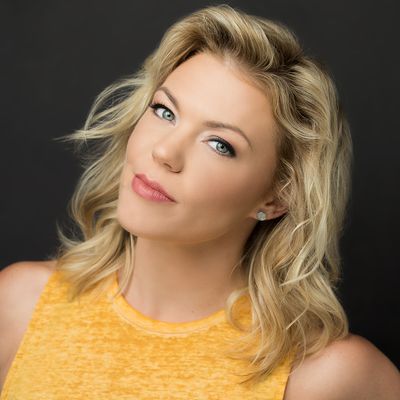
We are grateful to be a part of the Broadway Podcast Network. Thanks to David Dabbon for our theme music and to Sophie Kay Photography for our image.
Transcript
This transcript was automatically generated and might contain errors.
[0:06] Bret Shuford: Hey, I'm Bret, and I'm Steven, and we are the Broadway Husbands.
[0:11] Stephen Hanna: And we are coming at you with a special episode to wrap up 2020.
[0:17] Bret Shuford: What a year it has been. Crazy year, but we wanted to give you some of our favorite moments with our favorite guests from this past year to bring you joy.
[0:27] Stephen Hanna: We hope that you and your family are safe this holiday season. We cannot wait to come back to you with new episodes, new guests in 2021.
[0:37] Bret Shuford: As always, please come find us on Instagram at Broadway Husbands.
[0:42] Stephen Hanna: And if you can, share an episode or two of your favorite. And this episode, today, you're going to actually hear clips from some of our guests.
[0:51] Bret Shuford: Some of our favorite guests that we've had over the last year that we think will help inspire you, give you a dose of love and joy, and send you off to finish this year in a really happy and loving place.
[1:05] Stephen Hanna: And remember to love who you love and love what you do.
[1:40] Christopher Rice: So we like meet in the middle ground and do like a Disney bound when we go to Disney. So that's kind of like our way of dressing up and not dressing up at the same time.
[1:50] Clay Thompson: Yeah. We love a Disney bound. It's it changes the whole experience, I think.
[1:56] Christopher Rice: Yeah. We've done Buzz and Woody. That was probably my favorite.
[2:00] Clay Thompson: Yeah. We went to Pooh and Tigger. We didn't we both were Mickey Mouse ones.
[2:05] Christopher Rice: Yeah. It's been fun.
[2:06] Clay Thompson: Yeah. Yeah, we love it.
[2:08] Bret Shuford: I have kind of a serious question that came up because you were talking, Chris, about growing up religious, and how has that affected your relationship, if at all, and your, you know, coming out? And I mean, this is the first person you really have been with as a gay man, and now that's the same person you're married to. Has there been a lot of like coming to terms with your religious background and accepting a new way of life, or have you had to like, and especially with your family, has there ever been any complications with that and your evolution as a relationship?
[2:45] Christopher Rice: Clay's giving a big head.
[2:47] Clay Thompson: It's a big head, yes. Um yeah, that's such a layered question, and there's so many different avenues I could go down to kind of go into this. But I will say, yes, there's been personal things I had to work out and work through. And one thing was I thought I at one point in my life, in my very limited view, that I would not be a man if I, you know, was with another man or felt romantic feelings for another man. I thought that I was, uh, would be unhappy and would be filled with shame and all these things that I was taught for my life up until that point. And to find out that none of those were true was a really big eye-opening thing for me that I felt more like a man, I felt more happy, uh, less shameful, uh, being out in the open.
It was such a gift, and it took me years and years to work through that. I came out at like 23 or 24, so it was a lot to work through personally, and the family is they're coming around, it's taken them a long time. Coming out was really hard and it really did not go well, and it went exactly how I thought it would. My family has reacted how I thought they would, kind of non-stop through. I've kind of had them pegged. But a lot of things have progressed, and my parents and several of my siblings came to the wedding, and that was great. And those who didn't, I'm sad they missed out, and that's on them. And also I had that pegged too. So you know, sometimes you just, not that I don't know, I was hopeful that I'd be wrong, but you know, sometimes you, you know, people expect the best from them, and up to them to deliver, I guess.
[4:15] Bret Shuford: Well, so what's the key to you making the relationship work when there's this side of your family that you know, because I know for me, I had a similar experience growing up in the South where, you know, my it was it felt very important to have my family accept me. But then at some point you have to decide, do I want them to accept me or do I want to be happy?
[4:39] Clay Thompson: Right. And so what's the key to like coming to terms with yourself and letting go of that part of your identity, your family?
[4:51] Christopher Rice: Well, I think initially seeing Clay's supportive family, like they are supportive through and through, they love him for who he is, and they don't want him to change. They're so loving and so amazing in so many ways. So I could see I saw that it was possible. So that was eye-opening and wonderful for me, and also for me to experience that support and love from them has been great. Um, I think another thing that a friend, like what we say a lot in our in the LGBTQ community is that, you know, your family is your chosen family is your family. The people that check in on you, you know, that's your family, the people that love you no matter what, that's your family. And for a while I really was resistant to that idea, but one day it just kind of clicked, I think maybe around the engagement, whenever my family was dealing with that the way they wanted to deal with it, and I was kind of just like, screw it.
I love my family no matter what, and if they're gonna love me, they're gonna love me. If they're gonna support me, they're gonna support me. But I have a wonderful, amazing support system in my life. We both do, Clay and I, as a unit do, and we're so lucky to have that, first of all. And second, we don't need someone to approve us just because we're related to them by blood, and just because my whole extended family is really close and have family reunions once or twice a year for weeks at a time. They're very, very close. And just because a lot of them don't approve, uh, Clay saying, No, that's not for him.
[6:13] Bret Shuford: Quietly, so that I'm this is for us.
[6:15] Christopher Rice: Well, they're saying it's, uh, my our my relationship looks different than theirs, and people have the option to accept it. And when it came time to invite people to our wedding, my rule for my family was if they didn't say congratulations when we got engaged, uh, they didn't get an invite. It was a very short list. Because my younger brother got engaged a week after us, and those congratulatory messages all over social media were flooding in for him, and everyone was just silent on my end. So I was like, okay, well, I'm no worse off. I have the same support system I did before, and now we just kind of know who supports and who doesn't.
[6:52] Bret Shuford: Well, where does, um, just my last question around this topic because I think it's good for people to hear, you know, um, that where did where is religion in your life now? Are you able to find, I mean, I'm sure there's a huge difference between spirituality and religion, of course, but um, have you found like a peace with that part of your growing up?
[7:14] Christopher Rice: Sure. I think initially, yes. Uh, right off, like, as I said, kind of like coming into my own, it really I was kind of more at peace with myself and you know, my religion. I think through the Trump administration and through everything happening in the world right now, it's been really eye-opening to people that I once looked up to for their wisdom in, uh, with religion and Christianity, and I've lost a lot of faith in them and what they believe. I do believe in God, and I think I'm still figuring out um the ins and outs of what that means in my life and our life. Uh, because I just could still consider myself a Christian, but it's just I know that it's so far from the, uh, from the views of many that are very vocal with their views.
I believe in inclusivity and I believe I don't believe in bigotry and I don't believe in, I do believe in science, and there are things that, uh, you know, if I didn't were to say I agree with this certain religion, I feel like that really I'd have to be really specific with my, uh, points in there because it's a lot of, uh, practices that I don't, you know, agree with these days. We found a really awesome church if you're ever looking to go to church in the city called Middle Collegiate Church down by us in the East Village, and it's open and affirming, and that's been so helpful for us in the last few years just to be able to have that, you know, just to go back to our faith and have that in our lives.
Um, but I mean it is it but it's tricky because you know we have conversations with my parents where they go, we're going to church, and in their head that means we're going to this, oh, you know, oh and like, no, they're actually like protesting, you know, Trump, you know, at the church.
[9:04] Bret Shuford: And here's a clip from Adam Hyndman and Brad Gibson.
[9:08] Adam Hyndman: Did it feel right because it felt like this was like an easier relationship than you had ever been in before? Was that because you were being a little bit more honest with each other from the get-go?
[9:18] Brad Gibson: Yeah, what was different? What made it feel what allowed me to um be pretty all in quickly was that I had experienced some other serious relationships before, and I'd made, you know, my um non-negotiables of like how to step into vulnerability and how to share.
[9:41] Adam Hyndman: And um, like I said, I'm pretty direct. So um I saw the opportunity to just like put myself out there, and he was so willing to step and meet me in all of those places, and I think where he was in the context and timing of his life also brought him to a similar place, and we've grown, of course, like every relationship does, but I think we came um to the space together as individuals, like really clear about who we were and what we had to share.
[10:14] Brad Gibson: So then what we got to share was really exciting.
[10:18] Adam Hyndman: Yeah, the timing was so right. I think it just all kind of worked out in this beautiful, like open way, right?
[10:26] Brad Gibson: I was in a space where I had been in relationships that weren't good for me. I've also been through a time where I was, you know, dating around and figuring out exactly what I want and exactly um what I was looking for.
[10:37] Adam Hyndman: And so I was in a space where I was ready for something different and serious, and something that I could be myself but also grow with someone.
[10:46] Brad Gibson: And I found that quickly in him. I was also so um inspired by him. I quickly, the first thing that attracted me to Adam was seeing how um how great of a human he is, how his level of humanity is so high. He was doing a Broadway show, he was volunteering at the Trevor Project. He was doing all these things that were like causing him to like run around New York City every day.
[11:11] Adam Hyndman: He still does that every single day. Run around New York City.
[11:14] Brad Gibson: Um but doing so much good, right? And always trying to bring his best self to the table.
[11:19] Adam Hyndman: And um, I knew that that's the kind of person I wanted to spend time with in any way, right? As my boyfriend, as my friend, and yeah.
[11:28] Brad Gibson: For me, it was a little bit of um a risk or a breaking of a rule myself, because I always told myself not to date within the industry.
[11:37] Adam Hyndman: Yeah.
[11:38] Brad Gibson: And I don't know where that started or what kind of preconceived notion that was. Um but I never allowed myself to really do that.
[11:48] Adam Hyndman: Um, and then when can I but speak to that just for one second because I want to I feel like we all have been told that so what do you think the fear is around that?
[11:57] Brad Gibson: That people I think that there's considerations around it because we're always working with within a small community. So there, of course, if a relationship goes sour or poorly, you could be in a contract with that person down the road, you could be collaborating, you they could be with someone else that you know. It kind of gets very um insular and concentric in that way.
[12:23] Adam Hyndman: Um, so sometimes you want to prevent that, but I think if you're coming at it with integrity and respect for people, then it's just like anything else.
[12:35] Brad Gibson: Um, then the amazing benefits that we have received in our partnership from having um a similar pursuit, having understanding of like what it takes to be an artist in this crazy city.
[12:52] Adam Hyndman: Um yeah, there's a lot of synergy between being um actors and performers of color, being um of the same kind of generation and and having some similarities in our background and families that um really parallel the artistic, you know, similarities as well.
[13:12] Bret Shuford: So what um since you are both in the same business, do you are do you guys often go in for the same roles or how does that affect your relationship if it does or if it doesn't?
[13:26] Adam Hyndman: I don't know if it does or not. I think it's something to negotiate.
[13:28] Brad Gibson: Yeah, something to negotiate.
[13:30] Adam Hyndman: I think that you kind of have to be really honest with yourself. I think this about our relationship, but also about your friendships in the industry too. You know, we're all out here trying to get the jobs and you know, make careers and climb the ladder, and we all want to be working, we all want to do our best.
[13:56] Bret Shuford: This next clip is from our interview with Alexandra Billings and her wife, Chris Ann Blankenship.
[14:02] Alexandra Billings: We no longer have to say first transgender, first black person, first uh um Asian, first, etc.
[14:02] Chrisanne Blankenship: etc. etc. etc.
[14:14] Alexandra Billings: That we no longer have to say or highlight that, and it's not a color blindness. I'm not suggesting colorblindness. What I'm suggesting is um the um the family of humanity that that um whether whether you're like it or not, my southern brethren, we come out of the Rift Valley in Africa, and we have uh one set, or we have a couple of sets of DNA in us, all of us, and uh that uh, you know, that's what people are taking to the streets for, and it basically it's every time people take to the streets is to say it's ridiculous to be marginalized, and I will no longer do it because you the white power hierarchy, you're no different. You'd like to think you are, but you are not.
[15:35] Alexandra Billings: If I cut my uh uh chest open, uh or I'm sorry, and and my very dear friend Michael cuts his chest open, believe me, the color of the blood is gonna be the same. So are the arrangements of the internal organs, so is the weight of the brain. We're it's it's so it's oh it's to me, it's almost like gender as well. It's so ridiculous that you have to find that the that white people myself have to find a way to differentiate ourselves. There is no difference, folks. There's just none, there's no difference.
[16:27] Alexandra Billings: Go listen, the world is being destroyed around us. We by 2035, we're gonna be in a heck of a way with our climate, with the with the destruction that's going on to uh species, to ourselves. We're gonna be in a heck of a way. So enough with the enough with the crap.
[16:51] Chrisanne Blankenship: Yeah, enough with the crap. Let's really focus as a family on our home.
[16:58] Alexandra Billings: Amen.
[16:59] Chrisanne Blankenship: Yeah.
[17:00] Bret Shuford: Well said. Beautiful. What a blessing uh you both are to our lives this year. Thank you for that.
[17:10] Chrisanne Blankenship: Um thank you.
[17:12] Alexandra Billings: Thank you for giving us this platform and inviting us in.
[17:17] Chrisanne Blankenship: Yeah, we appreciate it.
[17:19] Bret Shuford: So, okay, we're gonna change gears a little bit. What when you're I know you both work together on projects. You have a production company.
[17:26] Chrisanne Blankenship: Yes.
[17:33] Bret Shuford: Shmange?
[17:34] Chrisanne Blankenship: Shwangi.
[17:35] Alexandra Billings: Correct. Shwangi. Shmangi. It's spelled. C H M-E-N-G-I-E. It has a C in it.
[17:41] Chrisanne Blankenship: And it's encompassing. It encompasses.
[17:44] Alexandra Billings: It's an encompassing word. Compass. We we're all together in it.
[17:52] Bret Shuford: I love that Schmangie. So what what is it like for you to work together on projects? How do you
[17:57] Chrisanne Blankenship: Oh my god, I hate it.
[18:01] Alexandra Billings: Wow.
[18:03] Chrisanne Blankenship: Have you ever had your finger narrows pulled out by one?
[18:11] Alexandra Billings: Or circumcision.
[18:12] Chrisanne Blankenship: It's a lot like circumcision.
[18:14] Alexandra Billings: Well, I wouldn't know.
[18:15] Chrisanne Blankenship: No, you wouldn't know.
[18:16] Alexandra Billings: I would not know that.
[18:17] Chrisanne Blankenship: No, I'm sorry.
[18:18] Alexandra Billings: Or I'm not sorry.
[18:19] Chrisanne Blankenship: I'm not sorry. I don't know. I would not be sorry.
[18:23] Alexandra Billings: It's like the best thing in the world. It's like uh I think um when when it's it can be well, it's like the best thing in the world, it's also like the worst thing in the world. We both have egos.
[18:36] Chrisanne Blankenship: Uh I don't.
[18:39] Alexandra Billings: No. Both have egos pressing on. Um the lucky thing or or the divine thing, or whatever you want to call it, is that we agree what the need is. We agree that marginalized otherized communities are the stories that we want to tell.
[19:08] Bret Shuford: And here's a fun clip from our interview with the Shufords.
[19:15] Adam Hyndman: And you had a roommate.
[19:16] Brad Gibson: Oh no.
[19:17] Adam Hyndman: Did you live by yourself?
[19:19] Brad Gibson: Yeah. I didn't have a TV. I read both.
[19:23] Adam Hyndman: Yeah. And you had a roommate.
[19:25] Brad Gibson: Uh actually uh I had an apartment by myself in in this complex, and then I moved in with this other guy to cut the rent, which was a big mistake. But anyway, I did that. But I think I was living with him in that apartment at the time.
[19:39] Adam Hyndman: When you found the house.
[19:40] Brad Gibson: Yeah. So when you found this
[19:41] Adam Hyndman: No, we we were we were living together when I when we found the house.
[19:45] Brad Gibson: Oh, so you who when did you move in together?
[19:49] Adam Hyndman: I don't know, probably about three or four weeks after we met.
[19:52] Brad Gibson: Why so soon?
[19:54] Adam Hyndman: He wanted to get out of that apartment.
[19:55] Brad Gibson: Oh, because the roommate situation.
[19:57] Adam Hyndman: And and and he didn't want to be uh commuting between the two because it was kind of out in the suburbs, and then I was down in garden district.
[20:11] Brad Gibson: I like the garden district too.
[20:12] Adam Hyndman: Well, yeah.
[20:14] Brad Gibson: She does have good taste.
[20:18] Adam Hyndman: Of course. So now you're living together. Do you remember who said I love you first? Like was there like a moment where you somebody was like, I love you, and then
[20:30] Brad Gibson: No. It was the business deal.
[20:31] Adam Hyndman: It was the business deal.
[20:32] Brad Gibson: Okay. So you we we had already you know, we already loved each other, and then we intended spoken the words. But I don't recall how it first came up with some conversation.
[20:43] Adam Hyndman: I just want to go back a second. So you've known each other three weeks and you move in?
[20:47] Brad Gibson: It was about that long, three or four weeks.
[20:50] Adam Hyndman: He talked to you.
[20:53] Brad Gibson: Okay. Well how what did he have to say that got you convinced?
[20:58] Adam Hyndman: Cheaper.
[21:01] Brad Gibson: She didn't have any money.
[21:04] Adam Hyndman: So I didn't have much more. But you know, even then when I was making that, I put $50 a month in savings of my paycheck. I'm always proud of that.
[21:17] Brad Gibson: So you're so you convinced it's just convenience, it's cheaper. Let's just we're we're spending all this time together anyway, three weeks in. We might as well just like my rent, like I don't want to renew my lease next month. I was moving with you.
[21:31] Adam Hyndman: I think it was two weeks.
[21:33] Brad Gibson: Wow. It was pretty quick.
[21:36] Adam Hyndman: Yeah.
[21:36] Brad Gibson: Okay. So when how long were you living together before you were like, let's get a house?
[21:43] Adam Hyndman: Let's see July to December.
[21:49] Brad Gibson: Yeah. So you were like, let's get a house. And you there was no like moment between that and saying, Let's get married. Like, let's get a house first.
[21:59] Adam Hyndman: No.
[22:02] Brad Gibson: So that was no proposal.
[22:03] Adam Hyndman: No.
[22:04] Brad Gibson: The house, the house was first. We were sitting in my apartment. I was on the couch. He was sitting across in a chair, and there was a window behind him. And he said that he wanted to buy this house. And um would we, you know, pool our money and go in and buy this house?
[22:30] Adam Hyndman: And I said, No. I said, I said, what's wrong with living the way we are? We're happy just like this. And he started on, you know, he's a very good salesman. And he he said that we had enough money to buy one, and he was just giving, you know, scenario of how much better it would be when have to climb upstairs, blah blah blah. And he has he and he had found one and I said I like it just the way it is if you missed our episode with Steven's parents check out this clip from our interview with the Hannah's that was the first time we met in September of 67.
[23:25] Ed Hanna: Wow and it it took me from September to December to come to ask me out. I worked on it.
[23:31] Bret Shuford: Okay so what did you what were you like were you just trying to like talk to him or drop hints or like how were you trying to do that?
[23:41] Marcella Hanna: We had delivered something but he was going the same direction said can you help me find where it was we were going to set me up do you remember that yeah but I didn't realize she was shutting me up so that's why I'd do things like that we'd be sitting down and so if we had a break I'd go over and start talking to him do you remember like what kind of conversations you had at that time if like just small talk just small talking once you go to school and you know is there somebody in your life you know brothers and sisters just a normal conversation what do you like to do that sort of thing what did he say when he what did he like to do at that point when he was 18 well at that point I learned it he was a ballet dancer which I was totally in shock because it's more like a ballet dancer. My version of ballet dancer of course back then was very different although it was very muscular, in really good shape.
[24:32] Ed Hanna: Yeah. And he informed me how I'd been in DC for a couple of years dancing. Uh-huh. And gotten his driver's license there. And then his family life wasn't his parents weren't real happy with the time anyhow. Say man come back to Coreyopolis and graduate from high school. So I'm just kind of like trying to find himself, figure out what he wanted to do. So he got a job and and then how so he finally asked you out and what what happened?
[24:58] Marcella Hanna: So he was like, hey, do you want to go out? What did you what did he say?
[25:00] Ed Hanna: Yeah, he said, let's go out. It was a Friday night and we decided to go see a movie. It was called Wait Until Dark. It was a scary movie. At that time, the theaters were only in the city of Pittsburgh. You couldn't, we didn't have your theaters like you have in the outskirts now. So we made arrangements to go out and I'm waiting and waiting, and he's 45 minutes late, and I thought he stood me up. So I called a friend and I said, He never showed up. Let's get ready and let's go out. Just then there's a knock at the door. And it was him.
[25:35] Marcella Hanna: We have to clarify this.
[25:36] Ed Hanna: Yeah, go ahead.
[25:38] Marcella Hanna: The number on the house doesn't correspond with the preceding houses.
[25:45] Ed Hanna: Okay.
[25:46] Marcella Hanna: That's very true.
[25:47] Ed Hanna: It's like it stopped at like 40 something.
[25:52] Marcella Hanna: And then boom, there's her house.
[25:54] Ed Hanna: 60.
[25:57] Marcella Hanna: And it was on a curve, and I thought, I don't know if it's his house or not.
[26:04] Ed Hanna: But I lucked out and knocked on the wrong right door.
[26:07] Marcella Hanna: Okay.
[26:11] Ed Hanna: Right.
[26:11] Marcella Hanna: Going by my directions.
[26:12] Ed Hanna: Yeah, yeah.
[26:13] Marcella Hanna: Yeah.
[26:14] Ed Hanna: So and at the time, well, still to this day, mom, you're older than dad.
[26:20] Marcella Hanna: I'm two years, eight months older than dad.
[26:24] Ed Hanna: So what was t talk a little bit about like, did you have any hesitation about going out with a younger guy at the time?
[26:30] Marcella Hanna: Yes, yes, I did. I went over and talked to my mother. I said, I really like this guy at work. He's really cute. And finally asked me out, and I realized he's only 18, and I was 20 at the time. I'm like, what am I supposed to do? My mother said, Oh, for heaven's sakes, it's a date. Just go out. You're not gonna marry him.
[26:48] Ed Hanna: I said you're probably right. So we went out.
[26:51] Marcella Hanna: Wow. So you go on this first date, and then what happens from there? Like, do you continue seeing each other regularly?
[27:02] Ed Hanna: Wait, wait, wait, wait, wait. I'm gonna ask Ed.
[27:03] Marcella Hanna: Oh gosh.
[27:06] Ed Hanna: Were you like, yeah, I scored an older woman? Like, I'm 18, I'm dating a 22-year-old.
[27:12] Marcella Hanna: She's not 22 years 20.
[27:14] Ed Hanna: I didn't remember.
[27:14] Marcella Hanna: 20, sorry, 20.
[27:16] Ed Hanna: I didn't think about that.
[27:17] Marcella Hanna: You didn't?
[27:18] Ed Hanna: I just liked her.
[27:19] Marcella Hanna: Yeah. Did you keep doing backflips just like because she knew she liked it?
[27:24] Ed Hanna: Well, those hallways were great for that.
[27:28] Marcella Hanna: They were long.
[27:31] Ed Hanna: And on either side, once in a while, these were those really thick oriental rugs, you know?
[27:37] Marcella Hanna: And it was in a big square.
[27:41] Ed Hanna: Right.
[27:42] Marcella Hanna: And the length of those hallways were probably a couple hundred feet.
[27:46] Ed Hanna: Did you ever hurt yourself?
[27:48] Marcella Hanna: Yes.
[27:51] Ed Hanna: And you know, that was fun. It passed the I believe it.
[27:57] Marcella Hanna: Okay, so so you're now you're dating. And about how long into this dating did one of you say I love you, and who said I love you first?
[28:13] Ed Hanna: It's probably four or five months, and I probably said it first. I don't remember. It was probably that I said it first. I can't remember that for it.
[28:29] Marcella Hanna: And we're gonna wrap it up with a fun clip from Broadway favorites, Robyn Hurder and Clyde Alves.
[28:36] Robyn Hurder: I just wanted to. What were you imagining doing instead, or were you? Or just were you just thinking about your mom?
[28:45] Clyde Alves: I just was taking it all happened really, really fast. Like we thought we were going to wait like 10 months to start having a baby. And I walked out of the stage door crying one night, and he says, Let's go. And I go, really? And he goes, Yeah. And I'm like, but what about money? And it was Kelly O'Hara who gave me the best advice ever. She said she was also trying to have a baby, which she did get pregnant in that show as well. Her second child. She said, Robin, you're never gonna have enough money. You're it's never gonna be the right time, and you're always gonna miss out on a job. And if you just keep holding on to those things, you're never gonna have a kid. And I was like, you're right. And I just realized that's really what it was. I just need to have a baby and literally do the most selfless thing I could possibly imagine.
[29:33] Robyn Hurder: And boy, did I? Um yeah, so we were very fortunate. We got pregnant really, really quick. He left to go do On the Town Barrington. And then I went through the journey of being pregnant, and it was not the most enjoyable. It was I had I'd gotten a back injury and I tore my L5S1. And so the weight, he was breached in the way he was sitting. The last five months of pregnancy, I couldn't even walk. My sciatic was so bad. Um five months. It was yeah, I it was like I'd get up and I'd fall down screaming because it was so the pain so hurt in my back, going down my legs. Um and he was C so he's a C-section because he was breached because he was very stubborn and he just sat his ass down in my pelvis for literally four months.
And he was just legs up here, like just legs head, just in my rib cage. And um yeah, I just had a C-section, got him out, and then it was just a struggle, even though I wanted to take a year off to be a full-time mom, I did not have the desire to go back to auditioning, even though my agents were like, here the revival of Cabaret. I'm like, I am 175 pounds right now. I'm like, I have 45 pounds on me. I mean, I can't, I can't motion right now. Like I can't show up in a broad underwear, you know.
[31:06] Clyde Alves: You could, but it was like it would just be lumpy.
[31:13] Robyn Hurder: Um for both of you, but how is having a child changed the industry or your at least your approach to the industry since then?
[31:27] Clyde Alves: That's a that's a big one. Do you want to well, yeah, I'll I'll make it quick. Basically, um, there were even moments when I just felt because he was opening up On the Town on Broadway when he was, yes, when I was very hormonal dragon lady. Like I was telling him I resented him, I was jealous, I was angry. I was just like so my body was not mine. I have this baby on my boob all the time. All he does is snack, snack, snack to this day. All he does is snack, he doesn't eat full meals. And I just felt like I was just all of my identity was gone. Like I didn't know who I was, and it was, and there are moments where I thought that I'm done. I'm not going back to musical theater. Um, this is it. I'm over.
I'm I'm through. Um but then I just needed, I needed to be a mom. And then basically at 18 months, that's when I started to come back. And I didn't give a boop about anything. I just walked into auditions and I was like, take it. I was so like thinking about either pumping or or thinking about the babysitter or the food or schedules with him that I would just walk in and really not give two F's. And it changed everything. I mean, I I thank Hudson for where I am because I think that's what gave me even more confidence as a female in this business to be like, of course my career is important, but this is my life. This child and this, you know, we call it our triangle, like this unit. This is what matters, and it gives me that fuel to keep to keep working harder and harder and harder. So I can help contribute to making my family's life the best it can possibly be.
[33:29] Clyde Alves: Yeah, it was, it was it was pretty amazing to it was such like we were going through polar opposite things, you know. I I had like the largest opportunity that I I had to date, you know, and she's a very young mother of a couple, you know, a couple month-old baby, and she's at home all day with this thing, and I'm like, it's not wasn't like I wasn't working hard either, you know, but I would get home and I'd feel terrible because I would see the look on her face, and uh dragon, you know, and I was living, I was living my life, but it again not easy because I'd go home and I and I felt like I needed to help the family. He was so tired, but you know, and and she would say stuff like you know, like, I resent you, and and I was I was naive enough to be like, oh come on, no, you don't. Um I did not really well.
It was hormones. Um, but uh she really did, like honestly, I I looked into her eyes, she really did lose herself. And and to see to be there with her at that moment and her saying stuff like because of what has happened to our lives, um, this child is extremely important. I don't know if I am an actress anymore, because I feel like my number one thing is to take care of this this this baby and to make sure that he has everything. And I said, I listen, I see I see what you're saying, but I and I'm not gonna tell you what you want, but you're an act, like this is what you do, this is what you love, and there's a season for everything. Right now, the season is we're here in this situation, and I'm lucky enough to be making a good salary in a show that's in the city, and that's getting us through for now.
And I said, But it things are gonna change and and you're gonna have your time again. Um again, like I'm not forced. I want you to do whatever it is that you actually want to do. And if you're saying you're not an actress anymore, then I'll support you. I just don't believe it. Um, and it was amazing to see that transition and to see the steps that she took and slowly um literally kind of like methodically, and then the lights started to come back on when we were doing Kiss Me Kate together at Shakespeare Theater Company. Like there was a night specifically. Was it your birthday?
[35:45] Robyn Hurder: Yeah, but before that, I'll tell I'll I have to say the show that I I got back into when Hudson was 18 months. It was my first show back, and it was like the gods came down and gave me the role of Norma Cassidy in Victor Victoria at a gunquit. I would play that role for the rest of my life. It's just like my comfort zone of you know being a complete idiot of just this role is so amazingly just dumb and silly. It was a good um icebreaker for me coming back into musical theater. It was a comfort zone that usually know she gets to be like a you know, a sexy floozy, which I I know how to do that. I've done it a couple times. Um, but it also I get to use like my comedy that I love to do so much, but it was when we were doing Kiss Me Kate at Shakespeare Theater Company, and I have to give a shout out to Alan Paul and Michelle Lynch, who direct Alan directed it.
Michelle choreographed it and the collaboration with Michelle with staging always true to you was literally my musical theater role dream come true. I told her I had this vision because I love the like pinup art I love pinup girls and I just said I envisioned me just in this negligent and all these it's like pinup poses like these women coming to life on every man that I'm talking about and it was everything and Tom Dicker Harry with with Clyde and the two other guys who Kanoche Creole and um Brandon Bieber like it just it was everything I wanted and that's when I was it was my birthday I got a little I drank a little bit and I told Clyde I felt so alive I said well I'm showing the computer you can't say this but I told him I said I'm getting a tattoo tonight and so we did like three in the morning I just went in this or the start this was it was the heart I got a heart on my wrist at like three in the morning just to remember to love like just it's love.
It's like I this is in my body and it was I don't know that night I was like I'm gonna do this like I'm gonna do it I'm gonna keep working hard and I can do I can do both. I'm gonna try to be the best mother and you know every day I say that I stink at one or the other but it is possible to do both you just have to work really hard and have a lot of love and passion which I I know that I do.
© Broadway Podcast Network, All Rights Reserved