

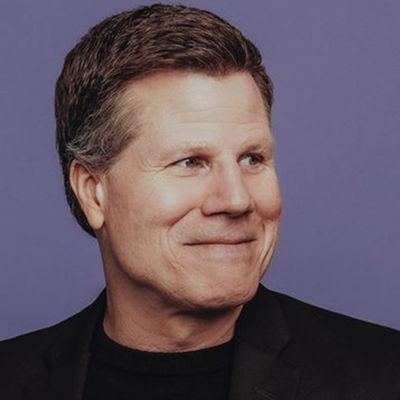
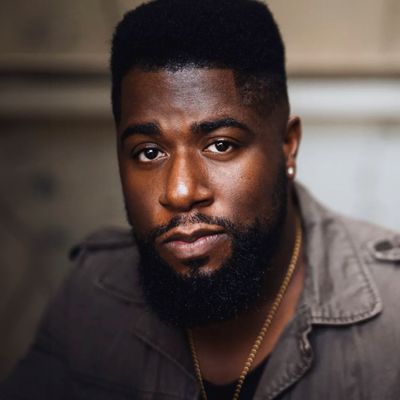
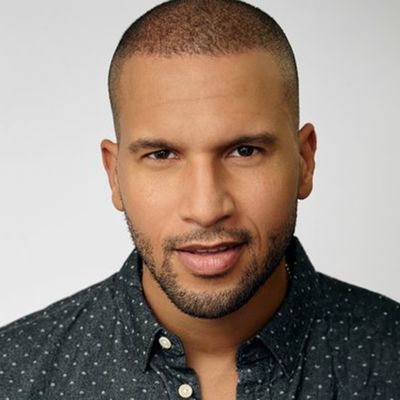
To celebrate the 10th anniversary of BroadwayCon, we hosted a panel with the cast and creative of Cats “The Jellicle Ball” discussing their historic production. We were joined by director Bill Rauch along with Sydney James Harcourt, Dudney Joseph Jr., and Robert “Silk” Mason from the cast... Read More
From the show: The Wrong Cat Died
Guests

Miniseries Inclusions
Featured Shows
About
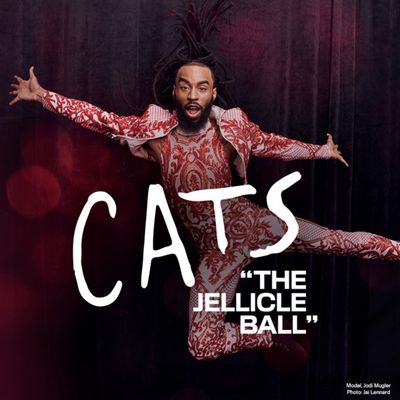
To celebrate the 10th anniversary of BroadwayCon, we hosted a panel with the cast and creative of Cats “The Jellicle Ball” discussing their historic production. We were joined by director Bill Rauch along with Sydney James Harcourt, Dudney Joseph Jr., and Robert “Silk” Mason from the cast.
About the Production: Cats: “The Jellicle Ball” is a radical reimagining of Andrew Lloyd Webber’s iconic musical based on T. S. Eliot’s Old Possum’s Book of Practical Cats, inspired by the Ballroom culture that roared out of New York City over 50 years ago and still rages around the world. Staged as a spectacularly immersive competition by Zhailon Levingston and Artistic Director Bill Rauch.
“I have rarely seen an audience respond with as much joy and love as I saw recently at Cats: ‘The Jellicle Ball’. The atmosphere was, quite simply, electric. Cats and Ballroom culture both emerged in the same era and I am delighted that, all these years later, they are intersecting once again. I want to congratulate the entire team behind this special show!”
– Andrew Lloyd Webber
Produced by:
Alan Seales & Broadway Podcast Network
Social Media: @TheWrongCatDied
Transcript
This transcript was automatically generated and might contain errors.
[0:00] Mike Abrams: Welcome to The Wrong Cat Died, the podcast breakdown of Catastrophe. I'm your host, Mike Abrams, and this is our live event from BroadwayCon 2025.
[0:09] Mike Abrams: We hosted the cast and creative of the Pearlman Performing Arts Center, Cats: The Jellicle Ball. We did a bunch of stuff with them when their production went, but we decided how fun would it be to have them at BroadwayCon live.
[0:22] Mike Abrams: So we had a couple people join, and we had a nice discussion about the run, the show, the impact, what it means to current society and everything going on in the world, and what the journey meant for the performers and the directors and the creative team and everybody involved.
[0:38] Mike Abrams: It was super, super fun, so we had a great audience for a live crowd, and BroadwayCon was another amazing experience this year. What you're going to listen to is going to be the live recording. It is mostly unedited, so it's pretty raw.
[0:51] Mike Abrams: We, again, talked about the performance and then had a fun game where we kind of talked about and defended some different cats, and then took some live audience questions, which you should be able to hear as well.
[1:01] Mike Abrams: I also will note that about halfway through the panel, we had a nice little runway walk down from Silk, and so you will hear the audio. If you go to social media, especially Instagram, or even some on TikTok, you can see the video of Silk doing an incredible runway walk down to the panel.
[1:14] Mike Abrams: But what you're going to hear is actually Dudney and Sydney doing the audio and kind of laying down a beat for Silk to kind of walk down, so there will be a little stretch in there in the middle where you'll hear that.
[1:36] Mike Abrams: But otherwise, you're going to listen to the live performance from BroadwayCon, so enjoy the episode. There's a cat over here. There's a cat over there. And the wrong one died. And the wrong one died.
[1:57] Mike Abrams: Welcome to a very special episode of The Wrong Cat Died, live from BroadwayCon 2025. This is the 10th year. By being in our audience today, you are part of a live recording of the podcast, so please feel free to laugh, applaud, react. And I'm going to give time at the end to ask questions, so get your questions ready.
[2:12] Mike Abrams: Make sure you're also following us on the Broadway Podcast Network and The Wrong Cat Died for our latest updates of what's to come. So let's go. Now let's do this one.
[2:22] Mike Abrams: All right. Welcome, everybody. Thank you all for being here. I'm excited to have the cast and creative of Cats: The Jellicle Ball here live. So before I have you do introductions, just maybe show of hands and yells who saw the production.
[2:41] Mike Abrams: There you go. Pretty much everybody. All right. Let's start with introductions.
[2:46] Sydney James Harcourt: Hi, I'm Sydney James Harcourt, and I played the wrong Tom Tugger.
[2:54] Dudney Joseph Jr.: I'm Dudney Joseph, Jr. I played Monkey Strap.
[3:03] Bill Rauch: Hey, everybody. My name is Bill Rauch, and I, along with Jalen Levingston, directed Cats: The Jellicle Ball. And I will say, since we'll prep, but we do have another panelist coming. And when they show up, when Silk shows up, we're all going to stop, and Silk's going to run way down. And we're ready, so give them the best applause, attention. Like, let's own it, and let's make sure that they have the best welcome. And Silk was misophilies.
[3:34] Bill Rauch: All right. So let's start. Obviously, this was a massive hit, but this was multiple years in the making. So, Bill, let's kick it off with you. Walk us through the journey from where the idea came from to actually getting it on stage at the PAC.
[3:50] Bill Rauch: Absolutely. Apparently, this idea started over 20 years ago. I say apparently because I thought it was just a short number of years, and my husband was like, Nope, nope. You've been talking about this for 20 years. And then a friend came and saw it, another friend, and said, Yeah, you've been talking about this for over 20 years. So my husband was right, as always.
[4:15] Bill Rauch: And the idea started by thinking about Cats in the context of the queer community. And I had begun to think about Grizabella as an older gay man in a bar, in a gay bar. And I thought that would be very powerful. But then I actually spent more and more time with the material and realized, of course, it's not a bar. It's a ball. And Grizabella is not an older gay man. Grizabella is a trans woman.
[4:44] Bill Rauch: And I began to collaborate with an incredible team. Our co-choreographer, Omari Wiles, from the Bar Amore. And he brought in our co-choreographer, Arturo Lyons. Jalen Levingston joined as a co-director. And actually going way back to the earliest days, Josie Kearns was our gender consultant and our dramaturg. And she is brilliant.
[5:14] Bill Rauch: And so we began to dream up the specifics of this production during the pandemic. And we spent a whole year going through the material, listening to the songs, talking about how it would make sense in the context of Ballroom. And we finally got up the courage to begin to share it with people at the Really Useful Group at Andrew Lloyd Webber's company.
[5:39] Bill Rauch: And that was a beautiful, long collaboration to get to the point where they could approve of the project and say yes and let us move forward. We did how many? A bunch of workshops. I think we did two full workshops, two choreography workshops and a music workshop. So we had five workshops before we even went into rehearsal for the first day.
[6:06] Bill Rauch: So there was lots of love, lots of care from the whole creative team and from many actors, including the two amazing artists to my left. And I'll pause there.
[6:17] Mike Abrams: So when were your involvement? Which workshop? When did you jump into this project?
[6:22] Dudney Joseph Jr.: I came in, I think, on the last... Is it the second workshop before the last dance workshop? I wasn't brought in for the dance workshop. I don't know why. And that's when I started with it.
[6:41] Sydney James Harcourt: Same. I was brought in for the second workshop. I remember we auditioned together. And the funny thing about Sydney is you had a pair of shoes that you... Louboutins, I believe?
[6:52] Sydney James Harcourt: I had some Louboutins and I told them, I was like, I still have the receipt and the stickers inside the shoe and I'm only keeping them if I book. And I wore them the opening night.
[7:13] Mike Abrams: So I want to talk a little bit about the merging of the theater world and the ballroom world. Because you had a mix of experience from this and you had in the cast such a wide range. So in the early phases of that, how did you balance the Cats, like well-known 40-plus years musical theater and then the ballroom culture that kind of really brought a whole different essence to the show?
[7:37] Bill Rauch: I'll start, but I want to hear what you guys say to that. Our mantra throughout the whole process was any choice we made as a creative team had to serve Cats the musical and it had to serve ballroom. It had to be true to Cats and it had to be true to ballroom. And if we had an idea that we thought was great ballroom but it didn't make sense in Cats or great for Cats but it didn't make sense in ballroom, then it was the wrong choice. And we had to keep pushing ourselves.
[8:05] Bill Rauch: And that's part of why we took so many years to develop it and all those workshops and incredible input from so many people to keep finding those choices that struck the balance. And the casting, of course, we had musical theater greats in the show, we had ballroom great artists in the show and we had a handful of people who bridged both worlds. And I'm going to let my colleagues talk about that.
[8:36] Dudney Joseph Jr.: Yeah, I would be one of the bridges. So mainly musical theater is something I've done for years regionally and moved to New York City to kind of pursue my dream to be on Broadway. And then in Buffalo, New York, where I was born and raised, in 2011 I joined the ballroom scene in Buffalo and that was just something that I found to be just like an extracurricular hobby. And never imagined that the two worlds would merge.
[9:02] Dudney Joseph Jr.: And so at the time, I happened to be a part of the house of Oricci, so our co-choreographer Omari actually is my ballroom house father. And so it was just wild. He would use the overture of Cats, the overture in the beginning, and try to figure out during practice with all the Vogue Femmes, that's kind of the form of dance you see Victoria do or Tumble Brutus, which is different than Old Way, which is what you see Skimbleshanks do in the show. So anyway, he would use the Vogue Femmes styling to try to figure out how to accent the beats in the overture, which I thought was incredible.
[9:39] Dudney Joseph Jr.: For me, I found that there are a lot more similarities between ballroom culture and musical theater. In a ball, you have a theme. You have all of the categories, whether it be runway, body, performance, realness, all of them have a theme and you have to come as a character, if you will. So you come up with an effect that's centered around whatever it may be. For example, House of Linbin recently had a ball that was themed after The Wiz. All the runway girls had to bring it as a character. So some came as a poppy flower or some came as Dorothy or Toto or somebody brought it as the taxi, which is incredible. I find that creative, that sense of creativity and ownership of character and stuff like that, it's no different in ballroom than it is in musical theater. It just blended.
[10:36] Dudney Joseph Jr.: So the two were able to cross and for me, from a character standpoint, I looked at Monkey Strap more as a narrator. I don't think he's interested in being the jellicle choice. And that's similar to a commentator or an emcee at a ball. So they're in charge of making sure everything runs smoothly. We move from one category to the next without a hitch and then also everyone in the room gets their moment to shine. So for me, that's what I looked at.
[11:01] Dudney Joseph Jr.: I had the fortunate blessing of being around Junior LaBeija, Icon Junior LaBeija, who was the first person to say the category is, which is major. And so to borrow from him and then look at other iconic commentators that he passed the mic down to, like MC Debra or Jack X. Mizrahi, which is now the founding father of Gorgeous Gucci. Looking at all of them, I was able to pull some inspiration from ballroom and at least my track was giving reference to that culture.
[11:43] Sydney James Harcourt: I would say I was more on the musical theater end of things coming into this. However, I did have voguing experience or some might say nogging experience. Though I was trained by people from Extravaganza because I moved here very young and immediately started going out to dance clubs and I came here as a dancer and I just loved going out to dance. And at 2 a.m. at Limelight or Hero Ballroom is when the dancers would come out to play and I learned so many different styles there including Vogue Femme, including Old Way and just kind of peppered it into my everyday effect.
[12:31] Sydney James Harcourt: I find that there's a similarity in the world of there's many similarities obviously between ballroom and musical theater but one of them is when you go to an audition you've got to walk in in a look that's going to get you noticed that's going to be appropriate for what you're trying to achieve and then they teach you a combo and then you start competing against the other people in the room and then they start making cuts down to however many people they're going to decide between and then you're going to get that phone call and you got the trophy or you didn't.
[13:10] Sydney James Harcourt: And that feeling I feel is very similar in the balls that I go to. I'm part of the House of Ricci right now and when I've walked balls and I've been to them I've noticed it's the same thing you're waiting, there's those same nerves you're waiting for that combo and what you're going to do and then you're in front of a judging panel just like in a Broadway audition so I do find the worlds especially for the dancers to be very similar.
[13:43] Dudney Joseph Jr.: There's a lot of overlap with the family aspect of the Jellicles and the ballroom family but also the competition that the cats are all competing for the Jellicle choice there's also the competition within ballroom but talk to me a little bit about houses and how it was discussed about that how did that come to life? What were those conversations like during the workshops to figure out who was in the House of Macavity or these other houses that kind of formed in the production?
[14:12] Bill Rauch: They kind of sprang up out of the workshop environment. One thing that Bill and Jalen were incredible about was creating an environment where ideas could thrive and nothing is out of bounds literally and you hear people say that sometimes and they don't mean it they're like no I'm sorry guys we got to stop we got to move on and that was not a thing with us it'd be like no this is a problem and we think it is if it's not serving ballroom we've got to discuss it and so a lot of actors who if you're not working at the time and you're in the room.
[14:51] Dudney Joseph Jr.: And for their house, I started a little kiki house with Victoria and Tumble Brutus and Mistoffelees because we all sit and watch the retrospective together, and so we decided that we're a kiki house. And so there's little things that we do that are known or unknown about the house world, and you know, what do you...
[15:13] Dudney Joseph Jr.: Yeah, well again, I think it was funny from an outside perspective. As Monkey Strap, I was watching, well, who's affiliated with who? Or who's cheering, who's happy when someone gets their tenants, right? Or like, for example, Cassandra. That's my favorite moment. Jenny Annie Dots is clearly the house mother of the House of Dots, and Cassandra enters to walk Virgin Vogue. And it's interesting to watch who was happy about that and who wasn't so happy about that, you know?
[15:45] Dudney Joseph Jr.: But moments like that, I echo what Sydney said, is that I believe Bill and Jane created such a safe space where we could provide offerings to say, hey, this is how it would happen in Baltimore. Or, you know, where's the drama? Where's like the shade in the background? Where's all the noise, you know, that happens in a ball? For me too, when I look at, there's a YouTube channel I would encourage everybody to, you know, spend some time on. It's called Ballroom Throwbacks, and they record a lot of ballroom footage. And so you can see if you don't have the ability to attend in person, it's a great way to kind of look at the highlights.
[16:20] Dudney Joseph Jr.: And I spend so much time zooming in in the background to see, you know, ooh, they didn't see that, you know? But then you find how, that's I think how also alliances are made. So you see someone do something on the runway that moved you, and then that person becomes your friend. And then it ultimately says, oh, hey, like, why don't you come to practice and be a part of a house? And I think we maybe applied that same sentiment to the workshop as we were building the story with Bill and Jane.
[16:48] Sydney James Harcourt: Yeah, just to add quick, I agree that it was very organic through rehearsal. There were some things that were just clear in the text, right? Mungojeri and Rumpleteazer are a pair, so them having their own house. Bamblerina and Demeter sing about Macavity, so it made organic sense that they would be in the house of Macavity. So we kept looking at the text and then kept discovering with the actors in the room.
[17:16] Bill Rauch: I just want to give some props to the people who are in full costume today. So Bill, that's the perfect kind of segue to my next question, which is the flip of that is there's a lot. I'm sure if you ask anybody out here, there are a lot of theories and opinions on the backstories of characters. I've got almost 200 episodes discussing that with people, and it's not universally agreed upon. There's a lot of kind of like, it could be this way, they put it that way. There are some that are clear in the text, but there are a lot that aren't. Did you go back to any of those theories, or did you try to have that happen organically in the workshop?
[18:01] Bill Rauch: I think that the production history of Cats was one of our sources and one of our foundations. So not only what is the text, what is the score, but what is the kind of received tradition of this amazing musical over four decades plus. So yes, I'd say it was an influence.
[18:26] Sydney James Harcourt: Okay, okay. Since we brought up, we do have some amazing people in full Cat, but you all did not do the Cats costumes. Talk about the decision to be not in Cat and to have a different, like a very different, but really, really incredible and cool costumes and wigs, especially, that kind of went with the production.
[18:47] Dudney Joseph Jr.: Oh yeah. We knew from the get-go that our cast were going to be pretty human beings, not cats. And we did, for a little while, we talked about what if it's a ball, but the theme of the ball is to be dressed up like a cat. But then we thought if we did that, then nobody would know that they were human beings. They would think they were cats, because they were dressed up like cats. So we wanted to keep the feline spirit as alive as possible.
[19:23] Dudney Joseph Jr.: And Queen Jean, our brilliant, brilliant, original costume designer. Queen Jean and her team made so many really sharp, really subtle sometimes, and other times, really overt choices to lean into the feline in terms of material, patterns. So everybody had some Cat-like element in what they wore. We spent a lot of time on the costumes. And the crazy thing about Queen is the costumes kept changing even during the run. We opened, it was beautiful, but she kept making improvements. Wouldn't you say?
[20:06] Sydney James Harcourt: It just kept growing. It was just remarkable. How was it for you all? I mean, you took off half your costume most of the show.
[20:16] Robert "Silk" Mason: I was Sphinx Cat. But, I mean, again, embodying a character that has history of, you know, 40 plus years of this history. But then taking that new spin on it, but keeping some of the truth to Tugger and Lancaster. So there's obviously, everyone in this room knows, there's a ton of lore with cats. From around the world, there's so much art. There are so many relationship dynamics that people have written about and, you know, theorized about.
[20:49] Robert "Silk" Mason: And so as, you know, you do when you're an actor, you Google your character's name and do a deep dive into everything. And you find out that, like, oh, this is my brother. And you find out that, oh, is there something between Mistoffelees and Runtime Tugger? Is it unspoken? And, you know, one of my favorite, favorite, favorite moments. And this doesn't necessarily have to do with us being cats versus not cats. But it does have to do with cat lore.
[21:23] Robert "Silk" Mason: And it was after the first preview. Mistoffelees and I, you know, finish Magical Mr. Mistoffelees. And then we come up and, like, grab hands, look at the audience. And then we walk up. And Jalen came over. I hope this isn't a spoiler. Jalen came over and whispered to me. He was like, hey, so tomorrow's show, I want you to kiss Mistoffelees. And let's just see what happens.
[21:57] Robert "Silk" Mason: And needless to say, after the reaction of the kiss, which this one always watched. It lost my mind. Like, it was so insanely electric. It's that moment when you give the fandom, and especially the queer fandom, what they want, that it exploded. The roof came off the place. And of course, we were like, well, obviously, we're always doing that. And that's how the lore informed a choice that we made.
[22:34] Dudney Joseph Jr.: Yeah, so we were at the second performance. Alan and I were there. And we saw that. And the roof went off. I mean, that place, everyone was there. But that's also probably the number one fandom. If you read any Cats fan fiction, it's all about Tugger and Mistoffelees. It's 100%.
[22:52] Dudney Joseph Jr.: But, Dunia, I want to hear about you. Because I heard an evolution of the ending. Because you have quite a way to close the show when everyone does their last walk. How did that start and then end up to this amazing piece that everyone got to witness?
[23:09] Dunia: Yeah, I mean, I think, for me, there was a moment during the workshop when we were building the show that we identified that the Gumby Cat in the beginning was LSS. Which, in ballroom terms, is Legends, Statements, and Stars. And so, what typically happens in a ball is that is the first thing that happens. A specific beat happens. It's like, dun, dun, dun, dun, dun, dun. When you hear that, you're running into the building. Because you know things are going to start.
[23:38] Dunia: And normally, the MC goes around and picks out who's who in the room. So, they'll call out the Legends. They'll call out the Statements. They'll call out the Stars. And so, I remember Bill and Jalen identifying that. Gumby Cat, Monkey Stripes for a song. That that's what that is. And I don't know what made me think about it. But I just happened to run into Jalen. And I had an idea.
[24:00] Dunia: Wait a minute. What if our curtain call was LSS? Because we don't have an LSS moment identifying all of the cats. And then also, because things move so quickly, at the end of the show, it's a way for everyone to remember who was who. And so, Cooper, our associate director, also had the same idea as well. And so, together, we tried to figure it out.
[24:22] Dunia: And so, I think it was the – actually, I don't think. Our first preview. I got an instrumental. And I was like, okay, so we're doing this. All right. And so, I, throughout the workshop, leading up to that, though, it wasn't like that was the first time. That was the first time I'd heard the music. But leading up to that, what I did was, you know, in the shower, I would be like, okay. Okay, yeah, that works. All right.
[24:50] Dunia: Or I would be like, I want to see El Paso for Jones. And I would just start to play on words. And then, throughout the workshop, I would come to them. Each one of them would say, okay, this is what I came up with. Do you like it? Definitely opening Pandora's box because some people just were like, not change it, you know. But it was cool. I found it as like a little bit of a challenge for me.
[25:11] Dunia: But I will not lie. I think the first time we did it, I was scared. I was like, vocally, I don't know how I can sustain this. And we did talk about it. We talked about maybe recording it, possibly in case I was, you know, a little fatigued down at Tudor Shea, you know. But I don't know. It's just something about it. It was just incredible to see everyone go up. Like Victoria, when I started to chant for her, she would go crazy.
[25:41] Dunia: So, thank God we didn't record it because I just needed to, like, you know, play. But, yeah, that was my little fun thing that we did. But I think Mastopheles is here.
[25:48] Robert "Silk" Mason: Yeah.
[25:50] Robert "Silk" Mason: Okay. You want to do it for us?
[25:52] Robert "Silk" Mason: Yeah. I want to see you walk that runway. I want to see you walk the runway. I want to see you walk that runway. I want to see you walk that runway.
[26:02] Robert "Silk" Mason: I want to see you walk that runway. I want to see you walk that runway.
[26:28] Robert "Silk" Mason: That pose for me.
[26:33] Bill Rauch: Welcome, Silk.
[26:45] Alan Seales: We're going to take a quick break, and then we'll be back for more of The Wrong Cat Died.
[26:49] Alan Seales: I don't know how we follow that. Silk, you want to do a quick introduction?
[26:56] Robert "Silk" Mason: Yes. Hi, everyone. My name is Robert Silk Mason. I'm 25 years old. I was about to say 24. I just turned 25 in December. I am so happy to be here. Thank you so much for having me.
[27:11] Alan Seales: Who did you play?
[27:14] Robert "Silk" Mason: Oh, yes. I played Magical Mr. Mistoffelees. In the category that my character walks this runway. So let's go. I think that's a great spot. We have a game we're going to do in a little bit here, and then I want to have audience questions.
[27:32] Alan Seales: Let's talk a little bit about the actual categories and how you merged some of those into the show. Where were the ones that were obvious, and where were the ones that you had to think a little bit more through?
[27:41] Robert "Silk" Mason: Mostopheles being runway, we knew from the very beginning. Right away. And Omari and Arturo knew exactly who should play Mostopheles. So it was all very clear.
[27:54] Robert "Silk" Mason: And I'll say, during the process, I don't know if many of you know this, but I got to work with an illusionist to do a lot of the magic tricks that I did. And to incorporate that within the production, within ballroom, and merge that together was just so exciting and so crazy. Because I was like, first of all, I've never done magic in my life. So to be able to learn it first hand, it was such a magical experience.
[28:29] Robert "Silk" Mason: I would say one of the hardest ones, in terms of how long it took us, was that? Macavity Labels. That came really late in the game. It was definitely after the second workshop, I think. Yeah, it was late. And again, it was, how do we find something that makes sense in a ballroom context, that's true to ballroom, and that is the most vibrant choice we can make for cats.
[29:03] Robert "Silk" Mason: And it really was a crux of the story. Labels became this turning point for the show. It wasn't just like, how do we make this fit? It was like, how do we also make this a dramatic theatrical entertainment that has stakes? And Labels really became the vehicle for that, which you would never expect.
[29:28] Dudney Joseph Jr.: Absolutely. The fact that Macavity had stolen the outfits that they were wearing, and the police came in, and that's how Old Deuteronomy ended up getting taken out of the room, how Old Deuteronomy disappeared.
[29:41] Bill Rauch: What's what happened. Shouldn't be that person that grabs it, it should be like, I've never been in so welcoming an environment where every actor is a real part of this theater troupe and we just made the story work. I just want to say one thing about the really useful group about Andrew Lloyd Webber's company. It is, it was thrilling to have the show be sold overseas, we extended three times. It was joyful and moving, but I just want to pay a moment to respect the fact that Andrew Lloyd Webber, as a living composer, still at the height of his powers, creating new shows, took the risk and his team took the risk to let us do something so radically different with that material. And between that and Sunset Boulevard right now on Broadway, I just think that Andrew and the organization have my utmost respect for being willing to take risks to have a new life and a longer life potentially for any given title.
[31:32] Sydney James Harcourt: I think I've had the fortune of interviewing almost all of you, the invitation is so welcome here. And so we've had chances to talk, but throughout the production, and so now you have a chance to look back. I mean, it was a risk, there was a lot of buzz around it, but also unknown. And then you had three extensions and you get to now look back at this. What's it like hearing and knowing all of the reaction and the incredible, I mean, sold out runs and to be able to kind of, from when you started to this unknown to where you are today of this huge success?
[32:07] Dudney Joseph Jr.: I'll say for me, I'll start because being a young performer is hard, especially living in New York City. Speak on it. I'm sorry, I do have a very soft voice. I went to Juilliard for dance, I graduated in 2022. And my senior year also had COVID three times. And I really didn't know what I was going to do. I was like, if my health is going to continue to be like this, then I don't really know what's going to happen. Of course, like after school, like more things was able to work for me. But once I auditioned for Cats, like I literally auditioned for Cats, it was like a pre-audition before the actual audition, there was like a video submission thing that I guess didn't end up, you know, whatever.
And then they're like, oh, let's do it in person. And I was like, okay, work that works very well for me. And I went in and I will say from that moment, I didn't know what to expect. But once I was in there, well, once I think I was laying in bed, actually, and I got the email and I was like, Oh, my God, my life is really going to change. And once I continued to, I would say it took me a while. And still sometimes to this day, to calm my thoughts down and allow myself to just be an artist and grow and learn how to, sorry, I'm getting emotional, but just continue to be myself, no matter what's going on. And this production really did that for me.
[34:03] Robert "Silk" Mason: I was able to really just step on stage full force, no matter what was going on, to share my love for my art and my identity for who I am, and for them to love me and open up a whole new home for me was, it means a lot. And I will say thank you, Bill. Thank you, Dudney and everyone else in the cast, but no shade, Sidney has been my rock. Like outside of Mistoffelees, he's really been an amazing mentor for me. And I couldn't be more grateful for that. And to be on this panel and to be able to say this, I really am so grateful.
[35:02] Dudney Joseph Jr.: For me, the audience reaction, similar to what Silk said, there are three things I wrote. The first moment, I think leading up to our first preview, I remember in my dressing room, I was like, are we, am I like, is this a coat? You know, sometimes because I'm sitting here, I'm like, I think this is really good, but I'm not sure. And so we had our first performance, which was for the Kiki scene, which is all the younger, which Silk is the brother of the Royal House of Silk. And so the younger scene, they came and that reaction was so loud and energetic and just incredible that I remember thinking, we need in-ears because I can't hear the cue. I don't know what's happening. I've also never had this wall of energy and sound hit me before in my entire life. And so that was like, oh no, this is not, we own this up. All right, let's go. That was the first thing.
[36:58] Sydney James Harcourt: And then the second thing I had to try to, in regards to the crowd reaction, is getting used to celebrities being present. For me was, I'm just a regular old guy from Buffalo, New York, and I just, you know, I love to cook. I love to travel. I love ballroom. That's it. And so once we started to see people that were coming in and judging, I remember. You always knew. I knew. Oh yeah. Nobody in the cast would know. I was the only person that would know who was in, especially for judging. I was the only person. So that's probably what it was, that I would find myself in this slip of paper. And the one I remember was two. The first one was Leomi, and that was somebody that I, you know, the first femme queen, trans woman to be in front of the world in America's Best Dance Crew on MTV.
And she got so much heat from that experience. But anyway, she paved the way, right? And so for her to be a judge, and then the second was Cynthia Erivo. When I saw Cynthia Erivo on that slip of paper, y'all going to have to call somebody else because I can't do it. And so I remember that reaction, but I was reminded, I think Jalen was like, they are our guests. You know, also they're human, just like you, you know, and they want to enjoy and have fun too. So like relax. And so that was cool.
[37:19] Robert "Silk" Mason: And then the third crowd reaction that I thought was actually interesting was Moments of Happiness, Act Two. We have a slideshow that pays a lot of reference to the pioneers and icons and founding parents of the ballroom scene, past, present, future. And so for me, I remember one performance, we got to be in the space, but not necessarily in the action because it's mainly Celebub and Old Deuteronomy on the runway. And so for that moment, you can kind of just tuck away in the corner and look around and see who's in the house. And I remember seeing people getting overcome with emotion and it was just beautiful to see also that side of the piece where, yes, we were having all of these like fan claps and yes, and hand waves and snaps, but then also a moment of reflection and reverence for, you know, the ones that have paved the way in order for us to do what we do.
So yeah, the crowd reactions were everything. They were everything, both, seeing both sides, it really just meant that we were doing it at the right time and we were supposed, where we were supposed to be.
[38:19] Dudney Joseph Jr.: I've never auditioned for something or been in something. So Tucker's category is realness and I found through this show that I have been walking realness since I was a child in middle school. People telling me, don't wave like that. You shouldn't wear that. Why are you walking like that? And growing up in the Detroit area, I learned if I didn't want the wrong kind of attention, these are the things I shouldn't do. I just didn't know that I was being trained in realness. And then in the Broadway scene, you're coming up, you're generally not just as a gay person trying to be yourself in the ensemble, you're trying to reflect heterosexual norms. And so again, in the acting industry, while I was committed to being an out gay person, I also was deeped in this realness.
And so to get on stage in Cats the Jellicle Ball and have the audience truly give us a wall of energy unlike anything, the only other person who's experienced it is Beyonce. Number after number, they are screaming for you. And it is validating for me as a gay actor, being a gay character on a stage to have that kind of accolade, not just for me, but for the community that I'm serving to represent these archetypes and to show, as Shakespeare said, hold the mirror to the world and show the audience themselves. It felt really like the first time I had fulfilled my purpose. And it's very moving to me at a time when you wake up and you read that the Kennedy Center is being taken to task for having shows with drag in it, and it makes you feel like if there was any time that Cats needs to be out and here, it's now.
And I can't wait to fight that fight for our community and for our audiences because one of the best things about the show is that the dogs that came to see the show, and that's who we call our people who are not in our LGBTQIA2X plus. Or allies. Or allies. Or allies, yes. We call them dogs. In the best sense of the word. They felt it too. They had an understanding of the celebration, that it's not like some cults are trying to patronate you. It's a room full of people just serving joy and wanting to experience joy with whoever else is in the room and wants to be fierce with us. And so that for me was the most important part of what the audience gave to us and what we gave to them.
[42:07] Mike Abrams: I love it. I want to round applause all that because it's going to be a hard pivot. This wouldn't be The Wrong Cat Died if we didn't talk about the joke of choice and have some fun with it. So I do have my Catch the Joke of All hat. And I want to have each of you pull a cat out of a hat. And then you're going to embrace the character and I'm going to ask you some questions as if you are that cat. So pass it down, grab what you want. But I'm not going to do any acting. No acting.
[43:01] Dudney Joseph Jr.: All right, let's first share who you picked. I got Bumble a Bumble Arena, Tamita, Tamita, Tamita, all right, all right, Grizabella.
[43:11] Sydney James Harcourt: Rum Tum Tugger, Magical Misfit, okay, so the first question is, imagine you're not in the house that you all discussed and you're starting your own house as your character. Who's the first person you're recruiting from the Joke of All Cats?
[43:38] Dudney Joseph Jr.: Well, clearly the Rum Tum Tugger, because he wins his category. He's robbed in body and as someone who is supposed to win two trophies, we need him with us in the house because he's serving all of that goodness.
[44:03] Sydney James Harcourt: My choice is Mr. Mistoffelees because Mr. Mistoffelees is a wild card. When they come to the ball, they sweep, but you don't know which ball they're going to attend. I'm Rum Tum Tugger and I want the host of The Wrong Cat Died to be in my house.
[44:27] Dudney Joseph Jr.: I would say Tumbo Brutus because he's...
[45:02] Dudney Joseph Jr.: Yeah, we didn't know we had all these labels because I feel like that's what I'm always going to look like wherever I go. So people are going to look at the look that we're going to go with what you don't like that I just wish out. So if I really want to pull out on some labels like now, I don't know what to do. I'm gonna have to say Bombalurina because Bombalurina is serving like body by body by body by body by body the whole show, but didn't walk the category unless she was on for Bustopher Jones. And she serves, so it would have to be.
[46:28] Sydney James Harcourt: What's one relationship with another cat that the audience probably didn't pick up on that your characters embraced?
[46:37] Dudney Joseph Jr.: Uh, Rum Tum Tugger. Okay, so actually, I don't know if people know Bombalurina may have seen it in the Rum Tum Tugger song has a thing for Rum Tum Tugger. It didn't go well, and then subsequently, Demeter is interested and Bombalurina is not for that. And so there are a lot of times when Tugger's doing body or when he's doing realness or even when I'm just on the side or he's just on the side that Demeter might come over and we might have a key, and then Bombalurina is like, "No," and grabs Demeter and pulls her away. So if you haven't seen that in the show, that happens quite a bit. I'm not allowed to—Rum Tum Tugger is not allowed to be friends with us.
[47:48] Robert "Silk" Mason: Uh, Grizabella and Gus is the pairing. And actually, was that way in the production, uh, that Junior would often tell us that I don't know if they're the ones that took Grizabella in or at one point in time they both were. Like, if you look at lined up all their trophies at one point in time, they had the same amount. So Gus would say he's the one that should have been the choice. Junior said something to that effect at one point in time, but yeah, that's the relationship between the two of them. I would say Tugger and Grizabella because Tugger is the first one to notice that Grizabella has entered the room. So I think there's an interesting backstory there.
[48:37] Dudney Joseph Jr.: Uh, I'll say for me, cause I feel like my character was really like everywhere, but also I'm tall, so I'm not able to not be seen. So I feel like most of my relationships that I had with everyone were like presented full face. Uh, but as far as, I mean, I feel like that too, I was everywhere, so I wouldn't be able to like find a relationship that I could even like pinpoint myself cause other than like me and Rum Tum Tugger, but we're also visible as well. Uh, so I don't know, yeah, that's the most visible.
[49:17] Bill Rauch: Defend why your character should be the Jellicle choice.
[49:22] Dudney Joseph Jr.: Oh, this is perfect. Yeah, I'll go first. I've actually talked to quite a few people about this. I'm like, well, first of all, I'm Magical Mr. Mistoffelees. I bring Old Deuteronomy back, so without me, you know, he wouldn't be able to make the Jellicle choice. But also, I thought I was like, well, you know, if I were to die and go away to another realm and something goes wrong, then my magic won't be able to make the things right. So I was like, I can stay right here. I'm not ready to go to the Heaviside Layer yet.
[50:03] Sydney James Harcourt: Tugger, how are you defending Tugger?
[50:09] Dudney Joseph Jr.: It's so hard to defend Tugger when Tugger's in the room to defend Tugger. You can phone a friend here.
[50:16] Sydney James Harcourt: Hey, Sydney, how would you defend Tugger?
[50:24] Dudney Joseph Jr.: Tugger makes an excellent Jellicle choice because he is the facilitator of the group. He's the calm in the storm. He doesn't let a lot—you know, realness is all about masking anything that's happening, any emotions. You get up there, if you watch videos of realness, it's—and so that is that calm presence in the end of labels that facilitates Mistoffelees coming, Deuteronomy being saved right here. That's what comes up with that because he's the silent leader who lets all the shenanigans happen. It's okay even if the directors are going to decide that he's the only one who gets chopped in the whole show. It's fine. I can handle it. And that kind of calm acceptance, yet still being able to run things behind the scenes, is what we need in our Jellicle choice right now.
[51:41] Bill Rauch: All right, okay, we've got two left. Uh, and then as Bomb and Demeter, have you heard us sing?
[51:52] Dudney Joseph Jr.: Exactly. The first time I, as Tugger, ever heard Grizabella and Glamour Cat even them singing in those harmonies in rehearsal, I was like, "Where is this void? How did you find them?" And those—a lot of our show, a lot of being a Jellicle cat is about these spells and these incantations that we weave and we use our voices to do that. And there ain't two voices more stunning than Bomb and Demeter. They are the sirens of our show. Therefore, the Jellicle choice—this goes against my show to allow this, but I'm gonna let you defend Grizabella.
[52:44] Dudney Joseph Jr.: Absolutely. I wrote second chances. Title full stop. Uh, no, no, Grizabella because yeah, she represents second chances. She was fab in her prime and convinced herself that she was old news. But yet, the path that she trotted back in her time is what inspired the new generation in our production, specifically Bomb and Silab. They're like the next generation that were influenced by all that she had done before. So I think, yeah, to celebrate all that she had done and to let her know that she's still fab and inspiring the new generation, that's why she's the choice. She is the choice.
[53:30] Bill Rauch: I want to open up. We have a few minutes for audience questions. Start with Malcolm.
[53:38] Malcolm: I was incredibly honored. I had the distinct honor of seeing Pro-Man on June twenty-first. Yes, I remember the exact day because I loved it that much. What is there to say about it? Extended three times, ended up on several top ten lists of twenty-four, just won an OB award. I want to go back to what Sydney was saying, that if there's any point, if there is a time we need to cast a Jellicle Ball, it's right now. So my question for you is, what do you think the future of Cats: A Jellicle Ball is going to look like? And does it probably include a possible transfer of the runway to Broadway? What's next?
[54:43] Bill Rauch: I have to take this one. Um, what I can say is we all want the Jellicle Ball to have a longer life, and we're working really hard to try to make sure that it has a longer life.
[55:10] Dudney Joseph Jr.: As a child actor, well, a former child actor from London, based here now as a media, as a member of media and also a vocal coach, I saw—I just want to mention to Bill before I mention what I saw about Cats, I just made some notes that I agree with you 110 percent about Andrew Lloyd Webber. And I was lucky to see Sunset in London, now here, and it's amazing how Jamie Lloyd has recreated a revision of Broadway and West End shows in a way that's never been done before. And I see the same as Mr. Jennifer just said about Cats. I can see that there could be certainly a future, especially if Jamie Lloyd gets involved. He's got the most amazing vision, as I'm sure you have, Bill. Starlight Express was another example.
I remember seeing Elaine Paige create the role of Grizabella back in the day in London. Judi Dench was going to play it but did not. I would like to congratulate you all basically on doing such a great job, and I do hope that you, Bill, and your collective team will continue down this great wide way.
[56:55] Dudney Joseph Jr.: I have it by equity rules. It's, uh, anything you wear on your direct skin is yours to take, so I guess that part doesn't count. And of course, we're talking about the Tugger jock, which was recently won an award for being one of the best gay moments of twenty twenty-four. I am just the vessel. Uh, so if it's not the jock, then I'm going to have to say of my costume, it's that fur coat. Oh my God, it's amazing.
[57:46] Sydney James Harcourt: Mine is the ancient cat is the wings, and I cried when I was shocked. I didn't think it was going to hit me like that, but I was in tears when we opened the wings. I was like, "Oh my God."
[58:04] Dudney Joseph Jr.: Yeah, it's okay. Uh, I would say, of course, my incredible, amazing runway look, especially that crown. I kept telling them after every time, I was like, "Just make sure y'all be looking for that crown at the end of this production." It might just be gone, but no, I really love that outfit and the fur coat. Fur coat like wasn't as heavy as I thought it was going to be. It's a little weighted, but it felt like a weighted blanket on me since I'm so—it's a lot of body, it's a lot of bones. Uh, but yeah, no, those crystals and the way it just glistened on stage, like I just—I couldn't take it. I was like, "I don't know, this is like a dream come true, like just even wearing something like that on my body, like, oh my God, I want to get in it now."
[59:01] Bill Rauch: Thank you all for being here. This was so fun. Thank you all for being live. Hopefully, there is a future.
© Broadway Podcast Network, All Rights Reserved