

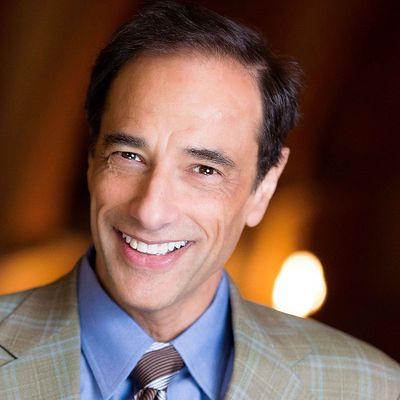
Welcome to a month-long look at previous Broadway seasons...the nominations, the wins, and the losses. With four Tony Awards to his name, including two as lead producer, and two Olivier Awards, also as lead producer, Hal Luftig knows and thing or two about theatrical success... Read More
From the show: Why I‘ll Never Make It
Guests
Featured Shows

About
Welcome to a month-long look at previous Broadway seasons...the nominations, the wins, and the losses.
With four Tony Awards to his name, including two as lead producer, and two Olivier Awards, also as lead producer, Hal Luftig knows and thing or two about theatrical success. But he also knows the pitfalls that come and how not every show finds an audience or makes a lot of money.
Today, he shares those insights and more from the heights of success with KINKY BOOTS to his disappointment with the early closing of CHILDREN OF A LESSER GOD. He opens up about the lessons he's learned and what keeps him going.
Website: https://www.halluftig.com/
Instagram: https://www.instagram.com/rialtoguy
Twitter: https://twitter.com/halluftig
Previous guests who have appeared in his productions:
- J. Harrison Ghee - KINKY BOOTS
- Caroline Bowman - KINKY BOOTS and EVITA
- James Monroe Števko - FIDDLER IN YIDDISH
- John McGinty - CHILDREN OF A LESSER GOD
Transcript
This transcript was automatically generated and might contain errors.
[0:00] Patrick Oliver Jones: Well, the Broadway season may be closed. The Tony Awards may not be happening, but all month long we're going to be talking about Broadway. Today begins a four-part series looking at previous Tony Award nominees. Up first, Broadway producer Hal Luftig, who talks about a show that was to have opened this year, Plaza Suite, as well as Evita, KINKY BOOTS, and the biggest disappointment of his Broadway producing career. I'm your host, Patrick Oliver Jones, and this is Why I'll Never Make It.
[0:38] Hal Luftig: I never regret being part of a production. Never. I'm disappointed at their reception, but I think the biggest one for me that was heartbreaking was Children of a Lesser God.
[0:56] Patrick Oliver Jones: Hello and welcome to the podcast where we feature conversations with fellow creatives about the realities of a career in the arts. The website is WinMePodcast.com and the email address WhyI'llNeverMakeIt@gmail.com. So what exactly is a Broadway producer to do when there's no Broadway to produce? Producer Hal Luftig and I talk about this and much more today on the podcast. In fact, he's won four Tony Awards and two Olivier Awards. So he certainly knows what it takes to make a great production. Previous guests on the podcast have starred in some of his productions. John McGinty in Children of a Lesser God. James Monroe Števko from Fiddler on the Roof in Yiddish. And Caroline Bowman and J. Harrison Ghee from KINKY BOOTS.
And so Hal and I talk about really what goes into producing those shows long before an actor is even thought of or cast in the show. That even goes for his most recent production, Plaza Suite, which was to have opened on Broadway last month, starring Sarah Jessica Parker and Matthew Broderick. It would have been their first time on stage together in almost 20 years. But certainly the coronavirus has put a different spin on what it means to produce on Broadway or just theater in general.
[2:23] Patrick Oliver Jones: And even in the making of this podcast, usually I go to the offices or bring the guests here to my home, and we're able to talk face to face. But Zoom has become the way to record these days. And that not only goes for podcasting, but it goes for producer meetings as well. Which is weird when you think about it. I know you know why we have to, but so much of what we do happens when we're in the room together. You know, the flying of ideas or the how about this or let's not do that. You know, everything from casting to marketing to, you know, you go to an agency and they show you the layout of artwork, and now they're like holding it up to a camera. And it's like, okay, so it's a little, I think it's a little tougher on this industry than for perhaps other industries where it doesn't really matter as much if you're together.
And what we do as an industry, you know, you can't do on a computer. You can't, I know and I'm thrilled that people are streaming and live casting different performances and stuff, but you know, it doesn't compare to sitting in a theater watching actors on that stage and you as an audience and being collective, having a socially collective response. Um, that's what I, in my opinion, makes theater so wonderful and unique. And in this time of theater closings, it's great that Zoom and other online avenues have opened up for us actors and singers and directors and producers to actually put something on screen for us to watch and enjoy. But Hal makes a great point that the screen will never replace that live in-person interaction that we get, both being on stage with fellow actors, but also with the audience itself.
[4:20] Hal Luftig: One of my favorite audience experiences was watching Hello Dolly. Bette Midler had gone and Donna Murphy had taken over, and I was there on one Sunday matinee, and the audience was absolutely electric. It must have been a lot of theater folk that were there that day because as soon as she walked on stage, there was a roar. Every single musical number had uproarious applause, and it was just absolutely electric to be in that room, and you could just feel the love not only of the show, but just the love of theater, of being there and experiencing such a wonderful performance.
[5:02] Patrick Oliver Jones: And you know, that's what's so heartbreaking, and specifically personally to me is Plaza Suite. You know, we did have three weeks up in Boston, which was usually hugely successful, but we were able to see the audience's reaction. I mean, comedy on a computer is not gonna be funny, you know. You know, you need to hear other people laugh, and the actors need that. So there's a great example where live streaming that performance, even if we could, would just not be the same thing. You know, the joke, what made that so funny in the theater was hearing other people laughing. It's like, well, excuse the expression, it's contagious.
[5:51] Hal Luftig: Right, right. We all as actors know that each night is different and that a certain joke will land and another joke won't land, and vice versa. So each night is really different depending on that audience.
[6:02] Patrick Oliver Jones: Yeah, great point.
[6:04] Hal Luftig: Right. They don't worry about that when they make a film. It is what it is, what it is. And you can, you know, whether you're watching it at home or in the theater or wherever it is you are, you know, it's that kind of what you just described, you know, that energy between actors and stuff. That doesn't happen in film.
[6:20] Patrick Oliver Jones: So right now, what is the status with Plaza Suite? What's its trajectory at this point?
[6:26] Hal Luftig: We are all in a holding pattern. Um, you know, I would like to say I'm the most disappointed, but I know that Sarah and Matthew are equally bummed because they were actually having a really great time. Uh, you know, it's the first time they've worked together on stage in over 20 years, and that was just how to succeed when she came in for a short week, a short engagement, several week engagement. Um, and they've never really wanted to work together before. Uh, so they are bummed. What we're hoping for, and this is again the world we live in, is depending on when we are allowed to come back and then gauging, you know, will audiences come how long will that take? You know, we can't be delusional and think that we're gonna just throw open a theater door and they're gonna come and you know, it's gonna take time for people to feel comfortable and safe about not being the six feet stuff.
And so what's happening is when we get the green light, we will reassess, figure out how many weeks we have left. Um, you know, they had personal commitments at the end of August. So we'll look at it. And if there's not enough weeks to perform where it makes physical sense, we will then perhaps look at the possibility of just postponing it and finding another 17-week chunk of time when they're available and you know, do it then.
[8:10] Patrick Oliver Jones: And to kind of dig into the numbers, uh, you know, being a producer, with this kind of unknown future with this break, how does that affect the financing? I mean, is it basically the budget stops and then you can just hold it, or is money still being produced on it, or how does that work?
[8:28] Hal Luftig: That's a great question, Patrick. And um with Plaza Suite, you know, you raise a certain amount of money, you have to spend it pre-performed, you know, you have to build the sets, you have to make costumes, you have to load it into the theater, all of which we have done. It's the lovely beautiful set. Um, it is beautiful, is just sitting in the Hudson Theater. And um it does really look like a hotel suite. So I'm like, maybe I'll go live there for a while. So yeah, those funds have been spent. What we have left, you know, is the reserve. We're now not spending on advertising as we would. So there is a chunk of money that is still available. And we do have some costs, you know, equity, the ruling came down, you know, that productions are responsible for two weeks of salary and health benefits, those kinds of things.
There are some expenses. And we're trying to, this is what's going to make or break a show whether they can come back or not. And I do unfortunately think that many, many a show when this is all over, are not going to be able to return. Only because, you know, if a show is already running and we're having this last suite too, people are, you know, they're trying to stave it off. In Plaza Suite, we have a lot more exchanges than refunds because people are really, really love them and have made special plans to see them, whether it'd be travel or made an event, you know, someone's birthday. Um, so we are better at the moment than most because we still have a lot in the bank. Shows, maybe longer running shows or shows that, you know, were doing okay on a week-to-week basis, which there's nothing wrong with that.
Um, but when we reopen, they're going to have nothing really, or very little in the bank. Um, so they're going to need to assess whether they take the risk and just say, you know, okay, let's open with zero advance, you know, and take the chance, roll the dice, because you know, the minute you start performances, you have your weekly operating costs. If you're not selling enough or have enough to fall back on, you know, how do you open? How big of a risk do you want to take? You know, if it takes a while for the audience to come back, a show that's, you know, sort of teetering, you could lose easily a half a million dollars in a week. Do you really want to take that risk? You know, and then you make the argument, do you really, is it realistic to think that you're going to catch fire again in one week of performances? This thing may take, you know, several weeks or months till we get rev back up to where we were now.
[11:42] Patrick Oliver Jones: Yeah, and that actually brings up a point. When it comes to producing, yeah, you know, the stat is that most shows don't recoup their cost. And so how is it, or what is it that keeps you going as a producer since most shows don't make their money back?
[11:57] Hal Luftig: I know that's the thought or the mindset that goes around, but I'm here to tell you that's not exactly true. You know, somehow we have devised this notion of defining a hit or a flop, whether they recoup, you know, their investment or even make a profit on Broadway. There are so many shows now that, you know, don't recoup fully on Broadway, but they have the road, they have licensing, in some cases, they have streaming income to fall back on. So the, I, you know, it does make me kind of chuckle a little bit that as an industry, we have done very little to correct that, you know, the misinformation.
[12:46] Hal Luftig: You know, it's funny, Hollywood makes a movie and it doesn't work and they burned, you know, they spent 240 million dollars and everybody's like, okay, oops, you know, and you know, when you look at the statistics of film, it's much higher. Because like I said, when how many, especially nowadays when there's so much competing for what film competes in these TVs, you know, every network has a new show and there's so much, you know, product out there, if you will, that films are struggling, really, really struggling to how to get people into a movie theater or make it well enough known that people will watch it, you know, on a Netflix or something like that. So they go down with a lot more percentage than we do.
And when they do go down, like I said, you know, I'm not being flippant about losing 15 million dollars on a musical or something like that. But that compare that to a hundred and fifty million, 200 million you hear these numbers and they're staggering. And everybody, you know, so it is a little raw nerve with me. Um, because we don't do a whole lot to correct that misinformation. So I hope I'm doing it live on your show. When a show doesn't work, and I could name several, um, that they didn't recoup on Broadway, so they're a flop, but yet they did a tour, they did licensed companies, they did, uh, um, uh, the foreign productions, um, they did now with this capturing and then, you know, streaming it on Broadway HD, for example, all of that generates income, and all of that goes eventually to the bottom line of the recruitment. So many shows do end up coming out fully recouped with a profit sometimes, but on Broadway, you know, they're considered a big flop because they close without recouping.
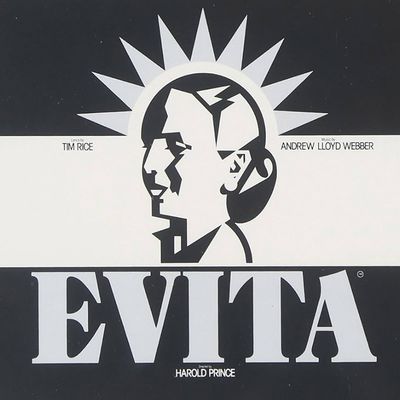
[14:53] Hal Luftig: Now, the show that we worked on together, Evita, did that follow that same process where the Broadway company didn't recoup, but then it went out on the road with us? Absolutely, and that's exactly it's a great example because that's exactly what happened. On Broadway, uh, we came like to 96 or 7% of recouping, and then we had a tour, and that made money, and that money, the profits of that, you know, as the business works, the mother company has paid a portion of profit from the road. It's a separate legal entity, but it does pay the mother company a certain percentage of the profit. That alone made new the Broadway company recoup, and then the tour, you know, recouped. In that case, though, you know, uh, as I just said, you know, other productions of it, um, because it was a revival, uh, even though Michael Brandage's production was completely different than Hal Prince's production.
When Evita is, you know, licensed out, you know, it's usually given that credit is given to the Hal Prince production and not more. So it is, um, you know, and it's that's not unique specifically, but, uh, you know, Andrew Lloyd Weber and at the time Hal Prince and all of the writers were still alive, and they were like, you know, screw the revival, you know, it's a five show. And if you've seen you were in it, so you know, and if you saw the original, it was completely different.
[16:28] Hal Luftig: Yeah. But we don't derive any income from subsidiary rights, as they're called. Now, but the Evita show, if I remember correctly, it began in London's West End. Because every Broadway season we have two or three transplants from London. What is that like bringing it across the pond? Well, this is this is a it's a great question because it also will point to why theater takes so long to, you know, come to fruition. So I saw that production six years before we actually landed in New York. And I ran up to Rob Ashford um when I saw him, and I said, Rob, you didn't ask me, but I'm telling you, I'm producing Evita on Broadway. And uh I was just enamored with it, and I was enamored with her, Elena, because she at that time um she flew herself over from Buenos Aires to London, did not speak English, learned the songs and some of the dialogue phonetically, um, and really was Ava Perone.
She had this fire in her belly that I'm gonna make it. You know, I'm this, you know, uh Argentinian actress, but I'm gonna make this role my own. And uh that's that fire in her belly is what captured Andrew Lloyd Webber's and Rob Ashford's and Michael Brandage's attention. And they said, that's our Ava. She is exactly as a human being what the role calls for.
[18:04] Hal Luftig: In between the time that, and it took six years for me to get it to Broadway because Michael Brandage is, you know, don't forget he was running the Donmar at the time. His schedule was booked for three years hence. And then uh Rob's was sort of booked too. And we then when we settled on Ricky Martin, he was two years with touring engagements, and then we had to wait a year for a theater. So, you know, oops, all of a sudden it's six years. Um, you know, I think in the case of Evita, everyone's life had changed in that six year span, you know. Um, and it just it took a different, it wasn't as urgent as it had been in London. That's what we all kind of responded to. There was a this is what's happening now, and six years later, as you know, the whole world changes.
Right. Uh it's one of the one of the shows I am most proud of, um, because I've always loved Evita, but Rob and Michael found different particles that were so different than what Hal and Andrew had done in the first go-around. Um, you know, if for nothing else, when the first production happened, the concept of a celebrity becoming a politician for us, you know, was unheard of. That started to change. Our first person like that was Ronald Reagan. He was a film star that then became, you know, a quite a big politician. Up until that point, we never had experience like that. We would the idea of that that someone who was a movie star or had a television show would go on to like be a the president of the United States was like whacked.
You know, no one would have thought that. And now we had in our revival, what we were trying to show was the populism, you know, can actually make a B-level actress, Ava, not Alina, Ava, um, one of the most important figures in a country, you know, and she used that to become, you know, um the Ava Perone.
[20:28] Hal Luftig: Now you're touching on it a little bit, but uh, in a broader sense, what is it then that attracts you to a production? What is that it factor that makes you want to go up to a director and say, I'm gonna produce this? You know, it you know, that is a really great question. And when I see it, it's easier than when I read it or I'm being pitched a concept. When I saw, like I said, I was predisposed to love Evita. It was what it always was and always has been one of my favorite shows. And when I saw it in London and saw the what Michael had mined in a new way to tell the story and make it almost more relevant, if you will, I just, it just I fell in love with it. And I sat there and going, I gotta do this.
I got it's that little voice that produces sometimes hear, I gotta do this, I gotta do this. And you know, I went up and I, you know, tackled them to the floor and said, I'm doing the show without giving any thought to at the moment, who's gonna be in it? Do we need, you know, do you need to get a star? And who would that star be? And you know, when as it like laid itself out and Ricky Martin uh presented himself, we thought that would be really cool. We have a, you know, a Latin guy playing a Latin character, uh, two of them, as a matter of fact, Elena and we thought this lent an authenticity to it that um, you know we never had before, I had never seen before, and that's what attracted me to it. I thought, God, this is relevant, you know, and um I just, you know wanted to do it.
[22:03] Hal Luftig: And so when it comes to new works, what is that? What is that piece? Obviously, a revival, you at least have some concept of what it can be or could be. What happens with the new work? As they're being developed, the first question I always ask myself is, would I want to see this? Would I want to see it? Would I want to bring my family to see it, my friends to see it? If the answer is no, I've learned over the years, let the project go. It may turn out to be successful, but if it doesn't like speak to you in that way, it's just gonna be laborious. You know, it you have to, you have to love it and have a passion for it that runs so deep that you don't even think about, oh shit, I gotta raise the money.
Oh my god, how are we gonna, you know, how are we gonna get a composer? What's the trajectory of the show? Um, you just somehow those go out of your mind and you just say, I'm gonna do it later in the process. I'm sure everyone does. You hit your head on them and go, what the hell was I picking? But you know, you still love the project. So uh I think for me, the first question, do I want would I want to see that? Do I love it? Does it speak to me, my friends, that kind of thing. Um, and if it passes that test, then the second one is okay, why this show, why now? What's its relevancy? What's its message? You know, who won't want to hear that message, you know, that kind of stuff.
[23:36] Hal Luftig: Yeah. And then the rest just follows. And so in thinking back to, you know, your your first days of producing until now, how has your approach to producing changed over those years? Uh, you know, every show I do, um, hit flop and anything in between, I try and learn something. And I consider it personally successful if I can take a learning experience from that show and apply it to the next one. Um, so I think, you know, from the beginning of uh when I started producing to where I am now, I think um it's like an encyclopedia now of you know what I know or what to look out for. Uh everything from size, cast of size to orchestra to um being very aware of how many stage hands it would take, you know, to run that show.
Those kind of the weekly costs, the capitalization costs, and knowing where to look to see where some of the uh sand traps are. I've learned that over the years, you know, to be able to see that, have a conversation with the artistic team, you know, to, I know I'm exaggerating here, but to say, you know, if you have dancing waters on the stage, it's going to affect X, Y, and Z. And uh do we really need that? Or is there a more economical, more or even artistic way of telling that story? You know, sometimes the most the more artistic way of telling it is not just throwing money at it, but coming up with something really uber creative, um, you know, on how to tell that story.
[25:31] Hal Luftig: So, you know, we it's always good for me to know, have the experience to know where I should look. Because at some point, any producer has to look at the overall budget. You know, that's why I've developed my podcast called Broadway Biz, because, you know, I want to talk to listeners and other people about the notion that everything that happens, you know, in front of the footlights, behind the footlights, you know, affect, you know, the business part of show. It's very important that we keep that in mind. It is a show business. And so it sounds like you, as the producer are the practical voice on the shoulder of the creative team to certainly give them free reign to do what they need to do, but also keep them within a bounds that can keep the show running.
And the trick there is to you never want an artistic team to feel like you're just denying them something. You're just being the bad parent saying, no, you know. Um that doesn't, in my opinion, foster a really great creative relationship, but rather to work with the team. So everyone feels like they're heard, everyone feels like that their concerns are being taken care of, and yet letting having them understand the economics, you know, of it. Um it's I know there are some producers that are like me and they do do that, and there are some that just say, no, you know, the answer is no, you know, um, we're just not gonna do it. Um, you know, I kind of like to say to a director, whomever, set design, I'm not picking on directors, you know, the question, okay.
Here's our budget. Like if you had a personal budget and you wanted a, you know, you would budget it for tuna fish, but hey, I want to see this beautiful filet I want. Where is that money gonna come from? Yeah, eventually, you know, you just have so much, and so where do you where do you spread it? And um, you know, I'm um have said this many times, sure, sure, sure. You you know, you can have the dancing waters on stage, but you know, it's gonna come from somewhere. So, you know, that's all you're gonna have on stage, you realize that. So approaching it that way does help everybody feel, you know, a collective sense of creativity doing it.
[28:05] Patrick Oliver Jones: Yeah, and so that actually brought up a question of mine that I've wondered, and I know other fellow actors, when it comes to especially bigger productions like like like on Broadway, off Broadway, who is it exactly that has that final say? Does it go into the director and we let the director, or is it you, the producer, or is it a collaboration between the two?
[28:25] Hal Luftig: You know, if you had a director sitting right next to me, I'm thinking one in particular that I would, he would probably say something different. But you know, my answer is, you know, uh it's with the producer, you know, we're sort of like a producer, sort of like a CEO of a company, you know, and the director is like or a team, you know, the owner of a baseball team. And the director is the manager of that team, you know, he picks the players and all that kind of stuff, and he makes a lot of the decisions. But if it has to go up to the CEO at the end of the day, you know, it's the producer who makes that decision.
[29:02] Patrick Oliver Jones: Right, because you're trying to balance that financial aspect and the creative aspect. And are there times? Obviously, the hope is to balance both of them equally, but is there time when one like for example, have you ever said, you know what, that's so good, that's so creative, we'll find the money for it?
[29:19] Hal Luftig: Yes, I have, but here's a lesson learned from that. Most I'm gonna say 99% of the times that I do what you just said, uh brought into the notion that that's the only way we can tell the story. And when I say we'll find the money for that, usually it doesn't work. You know, the what we found the money for was something that you know actually wasn't totally necessary. Um, you know, I don't think I'm speaking out of two turn here when, you know, an example of this was when we did Thoroughly Modern Millie, and we all agreed that if they make, if Millie and Mistorati can only make the elevator work by tap dancing it to get it to run, we have to have an elevator. You know, we just have to. And the elevator has to be functional.
It has to go up. You know, you have to see it working, going up as they tap dance. That's, you know, it's in the script. We have to have it. And we so we did. Um, I bought into it too. It was over a million dollars to build and put in. And this is a lesson I've learned. It was four extra stage hands to run that elevator because of safety issues and you know, and making sure that the actors were safe and the machinery was safe. And the first time we ran it, you know, everyone agreed the director said, you know, it needs to move faster. We can't spend 20 minutes, you know, watching this thing inch up into the flies. And he was told, well, that's as fast, it's not a real elevator. It's a set elevator, and this is as fast as it can go.
And you know, at that point, you know, the director said, well, maybe we should cut it because it's taking too long. You know, I mean, an audience can't sit there for 15 minutes watching this thing, you know. It was one of those things where I had to say, um, this has got put us way over budget. And so I don't care if we have to sell rides on it after the show, we are using it. Yeah, right. So uh, you know, yeah, that happens more than that in my experience.
[31:37] Hal Luftig: Yeah, it's something that you all believe you have to have, and then you know, when it goes out on tour, or when you see it actually operational, you go, you know what, it's not exactly what I thought it was. And yet you've spent the money. While it is somewhat easy to define a producer by that financial business aspect of theater, there's actually so much more that goes into producing a show than just raising the funds and making sure everyone stays on budget. There's a creative and artistic aspect to it that cannot be forgotten because at the heart of it, every producer is a theater goer. They watch things, they read things, and they want to then produce those things. Whether it's running up to Rob Ashford and saying, I have to produce this, or finding a little independent art film called KINKY BOOTS.
Um, you know what? It's the story of that was um when I started independently the film while I was in London. Um, I always try and leave when I go over there, you know, everyone's running around seeing shows out of me. I always try to leave one afternoon to go to as they call it the cinema, you know, and partly I do because you know, you can see British films, Indian films, you know, specialty films that you don't get here in the US. Like I never saw the point of going to see a James Bond movie in London when I could see it, you know, here. So I always would look for something I couldn't see. I saw Calendar Girls that way, and I saw a Bollywood film that way. Um, so this one, you know, day I saw this film called KINKY BOOTS in Leicester Square, and I thought, I never heard of that, and it's a British film, it probably isn't going to come over.
So I went to see it and I thoroughly enjoyed it. It was just this heartwarming story about, you know, a guy who saved this company. And I didn't think much about it. And a few weeks after I got home, Darrell Roth called me and asked me for lunch, which you know wasn't unusual because we have lunch, you know, quite a bit. And usually it's just gossip and how are you and that kind of thing. Towards the end of the lunch, she said, you know, I do have a question. Uh I saw this film at Sundance, and I think would make a great film. And as she was saying it, I remember rolling my eyes because I was in the throes of Legally Blonde at that time, if you remember. Oh, right. I was thinking like enough of the musical movie, you know, movie to stage adaptations.
And I said, sure, what you know, what's the title of it? And she said, Well, I know you've never heard of it before, but it's called KINKY BOOTS. And I almost leapt over the table. I said, Daryl, I did see it, and it you are absolutely right. It is a great idea for a film because it had all those key elements that a musical needs to have. You have a character who starts out at the beginning of the show wanting something or thinking he wants something or she wants something, and and along the way, learns what that what she or he thought you know they wanted, uh, was the wrong goal, and they've learned what is really important, and they've also uh taught other people that message too. And so it had all of those, you know, those markers for a great musical.
And so I immediately said, Daryl, let's do it, and you know, off and running. And when we when we did say that, I did say, Daryl, there's only one person I think of that can really direct this is Jerry Mitchell. And so we uh we showed him the film, and he loved it too. And he said, you know, yeah, I would do it, and then we had to set out to find the creative team. Um and I have to, you know, tell you that it was originally it wasn't Harvey or Cindy, and um, although we really wanted Harvey because we thought you know that would be great, but he initially said no, thank you, because I've written that story before. And and so we, you know, kind of moved on, and nobody that we came up with met the like that's a great idea of Harvey Feierstand, because he just gets it.
So Jerry said to him, Harvey, watch the film again with me, and let's look at it together, and I'll show you why I think there's a good film. And they realized at the point at that point, it wasn't like Lakage or anything else, but it was a story about how you know we try to please our parents, in this case, Charlie pleasing his father, or Lola, you know, disappointing um, you know, her father, his father. And you know, and that's when Harvey said, that's a story I'm interested in telling. And so he came on board.
[36:45] Hal Luftig: Um, and again, we had different music writers at um God bless Harvey after six months of working, he said, Look to the Daryl and I, we're not writing the same show. We just aren't, I can tell you. And we can work on this for the next millennium, and we're never gonna be writing the same show. So here's you either, you know, let's find another composer, or you know, I will gracefully say, you know, step back. And of course we walk the Harvey. So when uh I I learned in this day when uh uh Harvey said, you know, and I have somebody who I think would be great. He said, Don't before I tell you, just don't dismiss it out of hand. And we said, who? And he said, Cindy Law. Uh I remember, you know, initially going, Are you what?
And then I thought, you know what? That is a really interesting idea. So we had a meeting, um, you know, our initial meeting in Daryl's office that to the day I die, I'm gonna be so sorry I didn't record because you have to picture this. It's Jerry, myself, Daryl, Harvey, and Cindy. And you know, he talks like this, and she talks like this, and they're talking over each other the entire meeting. They were just not, you know, and and you know, I don't know what my face looked like. I'm sure it was the same as Daryl's, but we were had that, what you know, WTF is going on here.
[38:16] Hal Luftig: And I just wish I had filmed it. Just that five-minute section of like pure cacophony. And was it them, was it them bouncing ideas off of each other? Oh, just talking over each other, and yeah, like you know, yeah, bouncing ideas, or here's what I think the story is. But together, and those two voices, you know, together, you have to imagine it, was just like, you know, as a listener, you were like, What? I don't even know where to look, you know, let alone listen. It was just, it was just um, I'm gonna call it organized mayhem, but it all turned out okay, right? You know, and Harvey was great at teaching Cindy the basic tenets um of writing a song, and Jerry was, you know, terrific at explaining to her that you know, uh sometimes a song is broken up with some dialogue to help emphasize the message of the song.
Because the first time she heard that, you know, Jerry had staged where there was part of the song and then talking, and and Cindy was like, What the hell did you just do? You just ruined my song, you broke it up, and there's no talking. And you know, he had to explain that sometimes it helps, you know, move the story along or the song along. So there was a lot of fun in that show and a lot of learning curve. But uh as I said, all turned out okay.
[39:40] Hal Luftig: Now, not all of your shows, of course, have had the success of KINKY BOOTS. And um, what is the show that comes to mind as far as you know, a show that was a challenge, a disappointment to you? Um I never regret being part of a production, never, because I only go into them. I'm disappointed at their you know, reception. But I think what you're asking, the biggest one for me that was was heartbreaking was Children of a Lesser God. Um again, having seen the original, um, you know, I loved it then, I enjoyed it then, but we now live in a place, a time where I thought it was uber relevant. You know, it was during the you know, the Black Lives Matter, and you know, who listens to who and how do we listen?
And, you know, do we feel that we're superior to other people when we listen, you know, not just because of race, just because of either gender or you know, whatever it might be. And Kenny Leon also recognized that, and he wanted to make that story be just about that. Like who who do we listen to? And you know, at the end of that play, uh our male protagonist, you know, James, um, when he forces her, it was one of the most powerful things I've ever seen on stage when he forces um Sarah, who is deaf, but chose not to speak for her life. And interestingly, the actress who played it, Lauren Ridloff did make that choice when she was 13. You know, I'm not going to speak. If a person wants to speak to me, they need to learn at least basic sign language.
Why is my language any different, you know, than others? You know, you wouldn't go to France and you know, demand that they learn English, although there are some people that do. But um, you know, it just wouldn't be right.
[41:42] Hal Luftig: And so when the scene happens where you know Kim shakes her, he says, damn it, if you want to talk to me, speak, you know, speak. And she utters this heartbreaking sound, you know, says, Are you happy now? This is what I sound like, and leaves him. And uh, you know, he Kenny, the way Kenny thought about it was this challenge of, you know, whose language do we listen to? And and you know, who, you know, the whole show, this character of James feels superior to her. I can speak, I can do this, I you know, and you know, at the end of it, he comes to realize, you know, I've been just as bad as everybody else because I'm forcing her to speak my language, as opposed to trying to really learn her. So I loved the show.
I love the message. I love the fact that we were creating something that really spoke to the deaf community. And it just was not well received at the time. And we had great performances. That was heartbreaking. Because I had John McGinty on the podcast about a year and a half ago. And uh he was he was a joy to speak to. And he really, I think him himself as a deaf actor grew and and really appreciated that role and its message as you were saying. Because it because you're right, it's more than just about deaf versus hearing. It is a larger concept of who are we listening to, why are we talking to people, why do we talk over people or demand. I think you're you're right, it's a much bigger issue than just hearing and non-hearing.
[43:23] Hal Luftig: Exactly. And and I was so impressed with Kenny because he took a play that was written in 1980 when the times were completely different, you know, and made it relevant without changing a word, made it, you know, relevant where we live. And don't forget, you know, like I said, it was Black Lives Matter. Um it was just at the very beginning of Me Too, you know. Um, um so you know, the all at once the production dealt with, you know, racial issues, women, you know, you know, issues meet, you know, uh Me Too, um especially you know and and people who uh have felt marginalized their whole life like a lot of people do and um I thought it said a lot so it's uh it it's heartbreaking but I don't regret any show and I definitely don't regret doing that show well it was a beautiful show I I did happen to see it and you're right that moment where where the the subtitles go away and it's just her just like it's a guttural sound that comes out of her it is it's just it's so powerful I mean it's it's what's one of the the probably the most pivotal moment in the show that I remember from watching it.
[44:36] Hal Luftig: As I said what you know and a few minutes ago is that Lauren made that decision not to not to try and learn to speak um you know up until that point you know when uh deaf children were forced to go to a school where their mission was to you know uh force them to speak as best they could you know um through vibrations and lip reading and all that kind of stuff and Lauren um at 13 said you know what I have a language I can speak it's called sign language and so she stopped actually using her her vocal cords and I remember the very first reading we had just to see like when she had to come to that scene because she had not used her vocal cords um it was hard to almost hear her because she had no, you know, she had no practice in moving the diaphragm.
But I I the what just and I when I think about it, I get choked up. That day in that room, uh, we did two, you know, we did a rehearsal, and then um we did an actual reading for you know the would be. Leon said to Lauren, when we get to that place where you're supposed to don't do it, don't do it. We'll just, you know, you mime it and we'll pretend you're doing it, you know. Um I'd rather you do it tomorrow. So, you know, when when it's the important uh day. And she got to that place and she made this guttural sound. And first of all, her mother was in the reading, and you could hear her mother sobbing because she had not heard her daughter's voice in over 13 years, and Joshua just like backed up and he was he was just taken, and he started like weeping, but realized I gotta keep my I have a line here.
So you know, to watch him try to keep his cool and composure while everyone in that room was just was just bawling their eyes out. Um it was really one of those theatrical days I will never ever forget. It's it was I remember thinking, thank God I can do what I do, and thank God I'm here in this room witnessing this. Um because it was just it's a theatrical memory that I'll never that image will never will be forever seared in my brain.
[47:23] Hal Luftig: I I kind of teared up as you said it too. It's it it's I mean it just sounds powerful. It was amazing. Yeah, it was amazing to see. And and um, you know, it's just the way the business goes. We did a production of it up at the Berkshires where we got a pretty good notice. You know, it wasn't a full review, it was it was uh, you know, one of those combined reviews, but we of the three shows that were combined, we had and you know, came up heads and you know, heads and tails above the others. Uh, not that you want to compare, but it was a very encouraging review, so we moved on uh to that. And turns out the same critic with the same show in the same, you know, just tore it apart. And you know, once you have that, it's hard.
It's hard to do continue. So when we tried, we gave it the balance fight, and you know, she was uh nominated for for a Tony Award. Um and uh, you know, we were completely looked over in every we were passed over in every other category. Like, how do you not nominate Joshua Jackson to just that role? How do you not nominate Kenny Leon for creating you know the show that became relevant? But the the answer is we didn't, and I struggled with trying to keep that show alive, at least through the Tonys. Um, but you know, I have a fiscal responsibility to the investors and and also the actors. It I didn't want them walking out there to a half empty house. That that's that's awful. They deserve better than that.
Um, so we had to make the tough decision of closing a few weeks before the Tony. Um, you know, and just sadly, hard, you know, hard as it was, I think everyone ultimately understood how it was. And um in show business, uh uh in the end, you know, like like you say, the producer has the final say the the business kind of takes over. And if you if you have no money, then you have no show. That's what it comes down to. I'm not trying to, you know, and I want to demystify the fact that you know the big bad producer is always after the almighty buck, but it is a business.
[49:40] Hal Luftig: Yeah. You know, being fiscally responsible with their money and not just you know burn through it to show I can. It's always a hard typewriter for a producer to walk. Thank you so much for joining me today. To learn more about how you can go to the show notes and there you'll find links to his website as well as social media. You'll also see links to the various episodes of actors that I've spoken with from his productions, both on and off Broadway. On the next episode, I'll be speaking with Broadway composer and lyricist Andrew Lippa. We'll not only talk about Wild Party, Adam's Family, and Big Fish, but I'll also be asking him your questions. Those of you who saw my Instagram story and responded with your own questions of what to ask, Andrew, all that is coming up next week.
But coming up first, don't miss the final five questions with Hal Luftig. I'm your host, Patrick Oliver Jones, and don't forget to hit that subscribe button so that you never miss a single episode of the podcast, especially this month as we continue to talk more about why I'll never make it.
© Broadway Podcast Network, All Rights Reserved