

In this special video podcast combo between Why I’ll Never Make It and Closing Night, I’m joined by theater historian and author Jennifer Ashley Tepper, who has written a truly remarkable book - Women Writing Musicals: The Legacy That the History Books Left Out... Read More
From the show: Why I‘ll Never Make It
Guests

Featured Shows
About
In this special video podcast combo between Why I’ll Never Make It and Closing Night, I’m joined by theater historian and author Jennifer Ashley Tepper, who has written a truly remarkable book - Women Writing Musicals: The Legacy That the History Books Left Out.
Jennifer’s work is the first comprehensive exploration of women who have shaped Broadway and Off-Broadway musicals over the last century and beyond. From Tin Pan Alley composers to protest writers of the 1970s, and the voices shaping today’s theater landscape, this book is a treasure trove of history and inspiration. Together, we explore the hurdles these women faced, their remarkable stories, and the profound ways they’ve shaped the art form. And Jennifer’s book resonates deeply with both podcasts:
- Why I’ll Never Make It delves into the challenges of building a creative career
- Closing Night reflects on the legacy of shows may not always get the spotlight they deserve
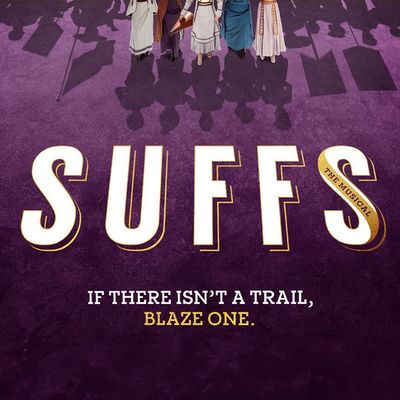
In our conversation, we highlight trailblazers like Pauline Elizabeth Hopkins, a Black playwright and novelist whose multi-hyphenate career began in the late 1800s; then there’s Gretchen Cryer and Nancy Ford, the longest-running female duo in musical theater history that began in 1955 and continues today; and then Shaina Taub, the Tony Award-winning force behind the Broadway musical Suffs. These are just a few of the extraordinary women we discuss—names that, thanks to Jennifer's book, are finally getting their due.
Why I’ll Never Make It and Closing Night are independent productions of WINMI Media and Patrick Oliver Jones. To support the ongoing efforts of these podcasts please subscribe or donate. Thank you!
Transcript
This transcript was automatically generated and might contain errors.
[0:06] Patrick Oliver Jones: The thrill of being cast in your very first college production is something you never forget. For me as a freshman, that show was Once Upon a Mattress by Mary Rogers. Now, I played the part of the minstrel, and I still remember the rush of being on that stage and a love of musical theater that has gone on to shape so much of my life and career. It was years later, though, that I began to fully realize just how groundbreaking Mary Rogers was, not just as a composer in her own right, but as part of a lineage of women whose contributions to musical theater often go unrecognized. And that is precisely what today's episode is all about. In this special collaboration between Why I'll Never Make It and Closing Night, I'm joined by a theater historian and author who has written a truly remarkable book, Women Writing Musicals: The Legacy That History Books Left Out.
[1:03] Jennifer Ashley Tepper: Hi everyone, I'm Jennifer Ashley Tepper. I'm originally from Boca Raton, Florida, coming to you live today from my home in New York City, and I am an author and theater historian. Now, Jennifer's work is the first comprehensive exploration of women who have shaped both Broadway and off-Broadway musicals over the last century and beyond. From the Tin Pan Alley composers to protest writers of the 1970s, and the voices shaping today's theater landscape, this book is a really just a treasure trove of history and inspiration. Now, together, Jennifer and I explore the hurdles that these women faced and their remarkable stories, as well as the profound ways that they have shaped the art form of musical theater.
And in our conversation, Jennifer highlights trailblazers like Pauline Elizabeth Hopkins, a Black playwright and novelist whose multi-hyphenate career began in the late 1800s. Then there's Gretchen Cryer and Nancy Ford, the longest-running female duo in musical theater history that began in 1955 and continues on today. And then there's Shaina Taub, the Tony Award-winning force behind the Broadway musical Suffs. These are just a few of the extraordinary women we discussed—names that, thanks to Jennifer's book, are finally getting their due.
[2:46] Patrick Oliver Jones: Thank you so much for coming and talking about your book.
[2:49] Jennifer Ashley Tepper: Thank you for having me. I'm excited to chat.
[2:51] Patrick Oliver Jones: Now, what was it exactly that got you interested in writing about all these women? Because you feature about 300 different women in the book, right?
[2:59] Jennifer Ashley Tepper: Yes. It's so wild that there's over 300 female musical theater writers to profile, and most people don't know, you know, the large majority of them. I have always been fascinated as a theater historian with the corners of theater history that are really important and are underrepresented in the history books, whether that's interviewing people with jobs in theater that aren't interviewed as often, whether that's chronicling underappreciated musicals. And through my research over the years and through my work at 54 Below as programming director and as a historian, I've just discovered that there are so many female musical theater writers that made such an impact on the industry, that wrote such fascinating shows that led fascinating lives, that really did important work.
And there was no book that was specifically about, you know, that. And you know, I didn't set out to write a book about the workforce and women in the workforce, but the way that women in, you know, having jobs intersected with how they created musicals was really fascinating to me. So I dove into it during 2020 and it came up with this book.
[3:55] Jennifer Ashley Tepper: For my own experience, like certainly we all grew up knowing about Lerner and Loewe, Rogers and Hammerstein, the Gershwins. I mean, we know about these famous male writers and composing teams. But for me, it was really in college. I was, you know, 18 years old and I was cast in my first college musical, Once Upon a Mattress, which of course was written by Mary Rogers. It was my first real introduction to this world of like female composers. And as you're chronicling in your book, there's this vast history of women composers. And Once Upon a Mattress, it's a show I'd never heard of until I was in college. And it was so fun. I got to play the minstrel and so I got to be very silly and fun and it was such a joy to get to do it.
[4:38] Patrick Oliver Jones: You're gonna know why my face went like that in a second, which is because I played the minstrel on Once Upon a Mattress at Summer Camp.
[4:44] Jennifer Ashley Tepper: Oh my gosh, I love it.
[4:45] Patrick Oliver Jones: We had just enough boys at Summer Camp to play like three roles and then, you know, so I was the minstrel with apologies to licensing. I don't know if they allowed little girls to play that role all the time, but I was 11 and I love that show. It's one of the most licensed shows like in licensing history. And Mary Rogers occupies such a fascinating place in theater history and in my book because I really strove as I was writing my book to write about the women's careers and lives on their own terms, but so many of their careers intersected with the careers of men in a way that was really relevant to their story and that, you know, to tell their story, I needed to talk about for Mary Rogers, you know, Richard Rodgers and Adam Guettel and Stephen Sondheim.
And that was a big part of her artistic life and her journey, which was how do you create musicals when that's your father, that's your son, that's your best friend? And it really did impact her output in an interesting way. I loved the book that she wrote, Shy, shortly before she passed, written with Jesse Green. It's such an incredibly fascinating story of her life. And so with people like Mary Rogers, I really wanted to write about their career, but also, you know, what they encountered in creating that career that impacted, you know, how many shows they wrote and what happened during their journey.
[5:55] Jennifer Ashley Tepper: Well, yeah, she was such a linchpin with people both coming before her and in her family and after her, that she was kind of the central figure. And I know that with Georgia Stitt and her organization, Maestra, they loved to focus on Mary Rogers because she was this person who broke a decades-long absence of women on Broadway, and then finally Once Upon a Mattress came along and women were back on Broadway again.
[6:18] Patrick Oliver Jones: You know, what's so interesting about that? And because Once Upon a Mattress did happen at the end of the 50s, so there are these peaks and valleys where you see, you know, times when more women were writing. And what was interesting was to look at how that intersected with American history, to look at like what were women writing and how many women were getting produced during World War II or during, you know, other points in, you know, the Great Depression, other points in American history that impacted the workforce. But in fact, you know, women writing on Broadway never went away. There's many women that were writing in each chapter in each decade. It's just a matter of like, you know, were they allowed at the seat a seat at the table to write a complete musical?
Were they given, you know, a whole score to write by themselves? Were they allowed to write one song in a review? And by allowed, I don't mean, you know, allowed, but we all know like the hoops you have to jump through to be a musical theater writer in this business, which have evolved in certain ways over the decades. But it's always just historically been one of the most difficult, you know, careers to have longevity with. And for women who encounter so many other obstacles professionally and personally in the workforce, you see that, you know, someone had to work twice as hard to get somewhere or to, you know, retain their place as a writer once they did get there. So there were women that, you know, were writing in the 40s and 50s, but it is really wonderful to like look at Mary Rogers in terms of how many people she inspired from the next generations.
[7:36] Jennifer Ashley Tepper: Absolutely. Well, the wonderful thing about your book, Women Writing Musicals, is that it starts with the 1800s and goes on through until today. And so it really chronicles these different eras and different decades of women writing in the musical theater space. And I asked you, I mean, there as I said, there's 300 women in here. And so I asked you to kind of focus in on a few of them. And so the first one that you wanted to talk about was Pauline Elizabeth Hopkins. Now, she was a groundbreaking Black writer who started in the late 1800s. And now she was a true multi-hyphenate before that was even a thing. She was a novelist, a journalist, a playwright, historian, magazine editor. She did so many things. What was it that fascinated you about this woman?
[8:19] Jennifer Ashley Tepper: You know, Pauline Elizabeth Hopkins was the main reason that the first chapter of my book exists. Because when I started writing this book, I thought, okay, well, I'll start with the beginning of, you know, the 20th century. I'll start with the year 1900. And I wrote the final chapter of my book, which is I wrote the first chapter of my book, but I wrote it last, and it chronicles all the musicals and quotes that happened before 1900, which a lot of the shows from before 1900 are not musicals in the way that we know them today. You know, they're not integrated, you know, they're basically stage entertainments that included songs. So there were shows as Manhattan was being settled, as the 1700s saw, you know, folks settling at the lower tip of Manhattan and then the island kind of being settled northward, that were writing shows.
And the fact that there was this woman who was Black, Pauline Elizabeth Hopkins, who wrote, she wrote a show called The Underground Railroad: Slaves Escape. And it was the first time that slavery had been presented on stage, not from a white writer's imagination. It was the first time that a Black writer had addressed that. And it wasn't a musical, like a stage entertainment with songs. I thought I have to include this woman in my book because how do I not know about her? People should know about her, even if it didn't exactly fit into the mold of what like a musical is and later on, you know, what I'm talking about in the book. And then after I started researching her, I did discover that there were a handful of women who managed to, you know, overcome tremendous odds at a time where, you know, women couldn't vote, women couldn't do so many things, they couldn't, you know, hold a bank account.
And here are these women that are writing musicals. And so she was fascinating to me. And she also wrote this book called Of One Blood. As you said, she was an extreme multi-hyphenate, which I think was, you know, partially out of necessity and partially because, you know, when you have that much talent and skill and ability, and there's so many obstacles to doing any one thing, you might do more than one thing in order to, you know, attain a spot creating. And so this book that she created, Of One Blood, I was amazed to find a review of it where someone said that she created a proto-Wakanda because there was an idealized civilization where Black citizens had been like left alone to flourish culturally and artistically and all that they were accomplishing.
And this was from a novel, you know, over a hundred years old, the 1800s. So just to dig into some of what she was creating, I thought I have to have this first chapter of the book be about those women that are like pre-the theater history that we know at all, just to make sure that their names get out there.
[10:47] Jennifer Ashley Tepper: Well, yeah, and so much of her writing, you know, not just the musicals and plays that she wrote, but also her magazine and journalistic writing was about this I'm gonna tell you the Black experience from a Black person. And that was really first and foremost what she was involved with.
[11:05] Patrick Oliver Jones: And so it was really about her trying to get these stories out into the world.
[11:10] Jennifer Ashley Tepper: It was you bring up such an interesting thing because it was interesting for me to question as I was writing my book, how much of journalists and critics addressing these women's personal lives was because what they wrote was more personal, and how much was, you know, a sense of like misogyny or oh, like, you know, a woman is writing about being a woman. There are certain assumptions and certain, you know, maybe problematic things about just asking women about their personal lives. There were some quotes in the book that I included that I felt like were important to include where a woman was definitely asked, you know, inappropriate things about her body type or, you know, her sex life. But in another sense, it's interesting to note that other, you know, we're gonna talk later on about Gretchen Cryer and Nancy Ford, and they wrote very personally about divorce, and so they were asked about this.
And it's interesting to think about like, you know, Pauline Elizabeth Hopkins was making history because though the way as a Black woman, she was writing about being a Black woman, and maybe a white male writer was not asked similar questions because there were just so many of them, and they got to write about so many different things, whereas women or Black writers writing about their experiences was just viewed as more personal because we saw less of it.
[12:19] Patrick Oliver Jones: Yeah, and what was so fascinating as I was going through your book, that there was another person that was actually around this time, it was the late 1800s into the 1900s, and it was Marion Jones Farquhar. She didn't start out writing. She started out, interestingly enough, as a professional women's player. She won the US national women's title, both in 1899 and 1902, and a mixed double in 1901. And she was the first woman to win an Olympic medal. She was the first non-British woman to play at Wimbledon. And so that's just how she started out. And that's all in her 20s. And then she became this writer after she married and became Marion Jones Farquhar. Then she became this writer in New York City. So it's really fascinating the lives that these women come from before they even get into writing sometimes.
[13:09] Jennifer Ashley Tepper: Totally. I love that you brought her up because she didn't have a few very fascinating Broadway credits, but she didn't have, you know, a career-long Broadway focus. And so really, you know, there's nowhere where you read about her and what a fascinating life she had. I think it's so interesting that something like being, you know, the first American woman to win an Olympic championship actually can kind of be what gets you a seat at the table because people know that, you know, you're a professional woman, and so that might have helped her get opportunities later on. And she also wrote a libretto of a version of Princess and the P, which is interesting because we just talked about once upon a mattress.
So it's also, you know, I think in consideration of like what kinds of shows were women considered for, and definitely shows that could be seen as like a family audience, you know, that was something where people were like, oh, we're comfortable with a woman being part of this team. Just thinking about that. But she wrote a number of things. She adapted some operas. She had a very diverse career doing many different things. And it was way later than her tennis championships that she had this second, you know, career burst as a writer on Broadway.
[14:13] Patrick Oliver Jones: And in a more broader sense, what do you think is so important about women writing these kinds of musicals?
[14:19] Jennifer Ashley Tepper: So I think that like the glorious thing about musical theater, which is like one of the ultimate American art forms, is that you had all of these people contributing to what it became. And you know, Jewish culture contributed this, and Irish Americans contributed this, and Black Americans contributed this, and it all became the art form that we know as musical theater, which wouldn't have happened if there was just one group of people who all looked the same creating something. And so, what I always think working on a musical or really working on any form of live entertainment is that you benefit from having people that look different and that are diverse in terms of age, race, gender, background, sexual identity, like all of these voices in the room can only help make something that really feels like it reaches people of all different backgrounds in an audience.
That's not to say that, you know, women have to write about women's experiences or, you know, Jewish people have to write about Jewish people's experiences. It's to say we should all have empathy and be able to like create something that's not about someone like us, but in doing that, like incorporate all the voices in the room. And one of the main things about women writing musicals that's so important is that like women are half the population. So women should have opportunities to write, you know, ideally half of the musicals, or, you know, there's no saying like someone can only do this because they're a woman or because they're a man, but it's how do we get, you know, people that have been historically left out of opportunities a seat at the table to write any kind of show, because as we've seen, like when people do have opportunities, we hear stories and we experience things that we're surprised by, that we're excited by, that we're inspired by. And it's not necessarily always going to be a woman writing about being a woman. It's just women are people and women are half the population, and they should have those opportunities.
[15:57] Patrick Oliver Jones: Right. Because for so long, yes, men had been writing and women were in their musicals. And so they're writing these words of women. And so it only makes sense that then women can come along, maybe add to that conversation, literally, but also then start writing what women would probably more naturally say in a given situation, as well as writing what the men say.
[16:17] Jennifer Ashley Tepper: Yeah, it's all about providing an empathy, but an understanding of maybe the people you don't you aren't a part of. You're not in that particular group of people, an understanding of what they're going through and trying to put that onto the page.
[16:31] Patrick Oliver Jones: Totally. And one of the things that I think is so important to remember, and I really tried to like drive home in my book is the fact that there's not this like, okay, now here's the point in history where like now women work too. No, it's like it was societally expected and necessary because of the way that society was constructed, that like women were forced to not have roles in the workplace and to stay home, and men had to earn a living for their family, and they needed to get these opportunities. And so when you look at it as a time continuum and you read the book and you go, okay, well, here's an era in history where like, you know, some women got in because of like they had money and so they got this opportunity, or they had a man that let them in the business because they were, you know, their brother or something.
There's these ways that women kind of clawed their way in that I think are very impressive and that can't be ignored at a time when like women were really expected to stay home, they were not expected to work. It was, you know, looked down upon. And so we're on a straight line continuum from that time, even though we imagine like, okay, well, why isn't it just equal already? Like, you have to look at the fact that, like, there's never a like, okay, now let's send half the men home and replace them with women. Like it's a gradual continuum. And looking at, you know, the ins and outs of how that has evolved is really an interesting part of the book.
[17:54] Patrick Oliver Jones: Well, getting to our next two women that you wanted to talk about, we now move ahead to the 1950s. And Gretchen Cryer and Nancy Ford, they actually met in 1955 going to college together, and so they've been collaborating basically since 1955, right?
[18:12] Jennifer Ashley Tepper: Yeah, it's so wild to think they're actually the longest running female team in musical theater writing history because they started writing in the 1950s, as you said, and they're both still with us, and they wrote so, so many musicals, and they were so impactful. And I think it's so interesting. Like, they only have one Broadway credit. So, from like just a cursory look at that, you go like, oh, they wrote one Broadway show. But they wrote so many off-Broadway shows, they were so influential. Like their show, I'm Getting My Act Together and Taking It on the Road, was a gigantic off-Broadway hit under Joe Papp at the public and then commercially. And they wrote all of these other shows that were protest musicals and that like incorporated folk rock music in a way that, you know, not a lot of musicals were doing in the same way. And their song "Old Friend" is very much recorded and cherished by a lot of new school theater folks.
[19:03] Patrick Oliver Jones: Every time I've lost another lover, I call up my old friend, and I say, let's get together. I'm under the weather. Another love has come to an end. And their Broadway show that they wrote, Shelter, I always have been fascinated by because it's about technology. It was so ahead of its time in the 70s. It was about the human obsession with technology. And someone who was essentially, it was sort of like the Truman Show, the musical where someone was living on a television set, kind of being controlled by technology. Nancy Ford wrote the music, and Gretchen Cryer wrote lyrics, and they just, I can't say enough about their work itself. They also wrote the American Girl musicals, which played at the American Girl Doll stores, and a lot of folks have like a very special place in their heart for those.
They just, they had, you know, kind of they've had a remarkable career. And I'm Getting My Act Together and Taking It on the Road was revived at City Center Encore's Off Center a few years ago with Renée Elise Goldsberry, and it was so good. I mean, their work just like if there's any hope I have for my book, it's that people pick it up and go, oh whoa, I'd never heard of that musical. I want to do that musical. You know, I really would love it if more people looked at Cryer and Ford's shows and thought, oh wow, these are like undiscovered gems.
[20:25] Patrick Oliver Jones: Yeah, it really is fascinating because in reading about them as well, they met with some success. Obviously, we talked about some of them, but they also had the stuff that was panned. They had a 1967 show that was panned by critics, but their very next off-Broadway show, which was The Last Sweet Days of Isaac with Austin Pendleton, was a success. So it's all about this up and down back and forth. I love that album of The Last Sweet Days of Isaac, but it's one of the main triggering albums to me from my book research because I wrote my book during the deep pandemic. Like I wrote it when we were all isolated in our apartments during COVID. And I remember there was one, like it was maybe like May 2020.
It was like I hadn't seen another human being, and I was just listening to Last Sweet Days of Isaac, and I loved it. I love that album, but I just remember like washing my groceries, listening to Last Sweet Days of Isaac, and I kind of can't listen to it for a minute because I'm like, oh, it feels like 2020. But really, like it's such a big part of writing this book for me was that like these women kept me company during that isolation of COVID, and they were so inspiring to me with what they did. And you know, we can all postulate about, you know, maybe this person would have had a different opportunity if they had a different identity. And who knows? Like musical theater is difficult and complicated.
But really, I think like people did perceive Cryer and Ford's work as uncommercial and off-Broadway and alternative, and part of that might have been because of their identity. Because they did, you know, they wrote personal shows. I'm Getting My Act Together and Taking It on the Road is extremely interesting as like a feminist piece about women's independence about dealing with divorce and career and all of these, you know, identity things. And at the same time, like critics criticized it for not being feminist enough. So I think that's kind of the problem that you run into when you're writing something being a woman is that you, it people come at you from both sides, right? Especially when you're looking at the shows historically, because now we look back on a show that was like two women's opinion of this experience in the 1970s, and it is 1970s-based, you know, it would be difficult to update that show and set it in 2025, but you don't need to, you know, it's this story of this woman in the 70s. So some of that was also interesting to think about as I dreamed of these shows being revived, because people discovered them again.
[22:33] Patrick Oliver Jones: In your research, what do you think is the lesson to take from Cryer and Ford's longevity? How and why did they last so long?
[22:43] Jennifer Ashley Tepper: So much of it is just finding your people, like it's that same lesson over and over again, right? It's like finding your tribe of people that you feel passionate about collaborating with, and that being the joy of it, and doing that, whether you get a pan in the Times or a rave in the Times, and whether someone produces your next show or they say try again, like they clearly discovered each other as like soulmate collaborators very early on, and they stuck with it and they persevered through so much, and it was the joy of the writing for them. We were really lucky to present one of their shows at 54 Below recently, and you know, they're still going strong. Like it's pretty incredible that they just, it's the personal perseverance of human beings that creates long careers in musical theater.
[23:34] Patrick Oliver Jones: Well, getting on to our third person is, and this one, she started out as an actress but has now become known quite well as a composer for SUFS. And this is Shaina Taub, and she's a Tony Award winner now for Flavor Musical SUFS. So tell us about her journey from actress to composer.
[23:53] Jennifer Ashley Tepper: I was so, so excited to write about Shayna because I have known of Shayna and then been friends with her for so many years. I remember, so I grew up in Florida, Shayna did not, but I had some friends in Florida that went to summer camp with Shaina Taub. And I literally remember as a teenager hearing about this incredibly talented girl that they were like, you'll meet her in New York. Like I've known about her for that long. And then we were at NYU at the same time. I got to see some shows that she worked on in college. And the interesting thing, and this actually does have a continuum from early on in the book, is that there are a number of women who got a seat at the table, so to speak, because they were performers before they were able to kind of parlay that into a writing career.
[24:33] Jennifer Ashley Tepper: So some of the ways that, you know, women were able to attain opportunities was because, of course, like it was widely accepted that women would be performers, and then that, you know, some of them performed their own stuff in order to like get in the writing world.
[24:47] Jennifer Ashley Tepper: And so Shayna, I think has always been a multi-hyphenate. And she also is an activist, you know, like her shows are activism related often. But also, you know, she holds a lot of multi-hyphenate hats. She won the Tony this past year. She won Tony Awards, and that was so exciting. And it was so wonderful to watch Suffs' journey from off-Broadway to Broadway after years of development while I was writing this book because she really personifies the, you know, the dream that I think like the ancestors of the book would have had for the future is Shaina Taub having this, you know, incredibly exciting commercial, mainstream Broadway show, you know, one of the producers being Hillary Clinton, a history-making woman, and the show itself being about women who made history.
[25:29] Jennifer Ashley Tepper: You know, I think that it's so exciting to see Suffs and, you know, to see this show about all of these women and all of the really complicated things that they did in order to get women the vote, that it wasn't like a, hey, we're gonna fight for women to get the vote. Okay, now we've got it. The show really goes into the nuance and the complexity in a way that, you know, is so in Shayna's voice. I should also say, like, it was interesting as I was writing the book to look into the albums of a lot of the women and their careers as concert performers and singer-songwriters and things like that. And Shayna's albums, um, separate from her shows are just like my favorite. I listened to them so much.
Um, she's such an incredible songwriter as a musical theater writer, and then separately, as you know, kind of a concert cabaret and recording artist. And so I wanted to include that kind of work in the book where it was relevant. And for her, I think like, you know, whatever show we get to see her do next, I, uh, you know, hope and I'm excited always that it'll kind of incorporate some of the way that she's a singer-songwriter as well, because I love that work.
[26:31] Patrick Oliver Jones: Well, another interesting thing about your book is that it chronicles, you know, women not only in the workforce, but the, I guess that tug of war even within women themselves of, you know, having this certain view of professional life or personal life, home life versus work life. There's all these competing visions of what a woman could or should be, uh, even within that community itself.
[26:55] Jennifer Ashley Tepper: Totally, totally. And I think, yeah, it's just complicated because you don't ever want to get into this only happened because this was a woman. It's hard to say in most situations. And whenever I could, when I was writing the book, I tried to incorporate women speaking in their own voice in interviews. Like, you know, you and I were chatting about this, but some of the women I don't know how to pronounce their names because I only ever read their name. You know, there wasn't a podcast to listen to. I wish there was, there wasn't a radio show. And some of that was actually because I wrote the book in isolation. Like I did eventually do research at the great New York Public Library. But, um, if I had done it there the whole time, maybe I would have discovered a little bit more of women speaking in video or audio.
But overall, because, you know, the idea was women left out of the history book. Sometimes I only had what was written down, and I tried really hard to find where women were telling me their own this is what my show was about or this is what I experienced, or hey, we're in rehearsal and this is what's going on. Um, but in a lot of cases that wasn't possible. So yeah, I was left with questions writing the book, but that didn't mean that those women shouldn't be, you know, put down on paper for the accomplishments that they achieved.
[27:57] Patrick Oliver Jones: Yeah, because with Shaina Taub, as you mentioned, uh, beginning as an actress, Gretchen Cryer also acted in a lot of her shows as well. And she had a son, John Cryer, who went on to become an actor. And so with Shaina Taub, this personal connection that you had with her, did was it easier, I assume, to write about her than some of these other composers?
[28:16] Jennifer Ashley Tepper: That's a great question. You know, I actually found it in some ways harder to write about the writers who I knew better. A lot of conversations that I've had over the years with some of the writers that are in the latter four chapters of the book, which is to say writers who are still with us today, writers who are active, writers who are like in my generation, um, all of those folks, they did greatly impact how I wrote the book. You know, things that they had said to me in interviews or in just personal conversations or, you know, in a rehearsal room, all of that was in my head and impacted the way that I wrote about all of the women. Um, where at the same time writing about someone who I worked with or knew, um, a lot of those women in those last few chapters, it was hard because I wanted to either, you know, include a lot of things because they were interesting to me when they weren't necessarily part of the main story, or I wanted to like really include my personal opinions on the shows where I strove throughout the book.
Um, you know, if something I really felt like was underappreciated and folks should discover it, I would say that, of course. But there were certain times when I didn't want to like put myself in the story completely. And I wanted to say this is the series of events that happened about this show. Like I tried to strike a balance. Um, it's not me reviewing any of these musicals, it's not all personal opinions. Um, but, uh, you know, just to tell the story fairly, um, you try to divorce a little bit of like, oh, that's my friend, or oh, that's my favorite, you know, person I interviewed last year. You try to like strike a balance just for fairness while at the same time, you know, observing things like here's this terrific show that people don't know that I feel like they should, and that should be in the narrative.
Um, it was a challenge, actually. Uh, it was actually so much easier to go, okay. Not a lot of people wrote about this woman from this musical in 1942, but this is all the research I have, and now I'm gonna tell her story. Like that was easier than all the personal, like, oh, but they wrote this, and I loved that, but no one knows like it was harder almost to write about people I knew.
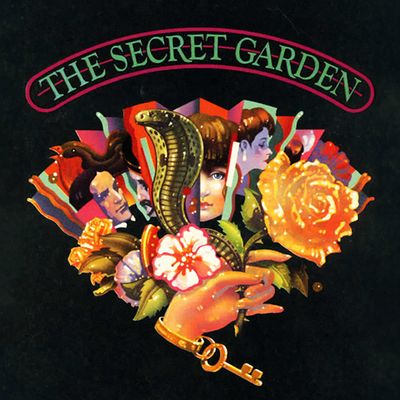
[30:09] Patrick Oliver Jones: No, I can only imagine, especially as you said, with the women that are still with us, like, for example, even though she's passed away now, as you started writing the book, Lucy Simon was still with us. And like Secret Garden is one of my all-time favorite musicals, period. Like, like men or women, you know, all different eras love the Secret Garden, just such beautiful music. And I would even venture to say that I'm not sure a man could have written it in the way that she wrote it because it was so personal and emotional, and like every time I listen to it, it just sweeps me away. And so, like interviewing someone like that, I would have a hard time just like not fanboying out the whole time.
[30:47] Jennifer Ashley Tepper: I love that you love Secret Garden. I also love Secret Garden. I think it's so interesting that you said because the key to musical theater for me is like, no, no, I don't think anyone could have written it like her either. But I don't think anyone's Secret Garden would be the same as anyone else's. I think that's like the joy of like the Wild Party, you know, dichotomy to me is like, of course, Andrew Lippa's Wild Party is different than Michael John LaChiusa's Wild Party. Um, and that's true of all shows. You know, it's just human beings being different and that impacting the way that the same source material applies to different people. Like, that's an amazing, miraculous thing about the musical.
And so one of the things about Secret Garden is it did make a lot of history in a really powerful way because of all of the women that were involved. There were so many women, but any time that something like this would happen in the book, a lot of journalists who were at the time writing would really feel like it was the first time, and that's not their fault at all. You know, it's not there's a short collective memory because there's so much in the musical theater. There's, you know, dozens of Broadway shows every season. There's all of these things that disappear if they don't get a cast recording. And in some ways, you know, like any time someone would make history, like, you know, Kay Swift writing the first full Broadway score as a composer as herself, just on her own as a woman, and people going, wow, this never happened before, but here are three other women that ever wrote musicals.
And you're like, no, there's so many more than three. But I understand why the collective memory, especially in a time with no internet and no computer databases, was going, Oh, here's the three other times I remember a woman entering the scene.
[32:13] Jennifer Ashley Tepper: Um, so it was interesting with Secret Garden to go, oh, of course they made history, and like we don't want to, um, you know, deny that in any way. But at the same time, you know, the building blocks of other women that had worked in musical theater that led to the Secret Garden are also there. It's the same thing with Hillary Clinton when she ran for president. People were saying, Oh, first major candidate. And like, no, there's women who have been running. I mean, like what was it, the early 1900s? There was a woman who ran and so many.
[32:38] Patrick Oliver Jones: It is so funny. You mentioned that because I don't know, my book is so big. I'm sure you didn't get to this part, or you know, it's one part of the book. But Victoria Woodhull, who ran for president is the subject of one of my favorite fascinating, underappreciated musicals, which did have one of the writers was a woman called Onward Victoria. Um, and it was a Broadway musical, it has a cast recording, it had a very short run, but it is like a fascinating musical that, um, tells the story of this woman running for president who also was like campaigning for like sexual um education and free love and all of these things, and just like a really unconventional story, um, done incredibly anachronistically in the way that now, you know, something like Hamilton or Suffs does, and the show was so underappreciated in its time, and it's such a weird, fascinating show. Um, and again, like it was about the first woman to run for president, a major party.
[33:27] Jennifer Ashley Tepper: Yeah, and so I take it from your book that what you want to highlight is the ongoing not only struggle, but also successes of these women and how they have managed to make their mark in every era in every decade of writing musicals.
[33:43] Jennifer Ashley Tepper: Exactly. I tried so hard to like strike the balance there too of like I wanted to write about the work. I didn't want to just focus on anyone's identity, their struggle, their obstacles like I wanted it to be about the shows and the work and all of that because so many women this is a good example of what you were asking me before that I've experienced in the actual, you know, day to day of show business are like I'm constantly asked about being a woman in show business. I'm constantly asked about, you know, the obstacles and all of that and I just want to talk about the work. And so I did want to focus on um the accomplishments, you know, I didn't want it to be just all about the struggles.
[34:19] Patrick Oliver Jones: Yeah, it reminds me, you know, speaking of running for president with Kamala Harris that was one issue that she tended to kind of skirt away from and get back to policy and that they would ask about, you know, being first black woman, being a woman, being of color, but and she would always divert it more into the political sphere and and what she wanted to accomplish and it seems like that that that that may be something you were trying to focus on with the book as well. It's like let's focus on the work. Yes, they did amazing things because of their gender or any other identity that they want to use but the work is really what showcases them.
[34:52] Jennifer Ashley Tepper: Of course and it's like people are bringing so many things to the table in any creative situation or political situation that are obviously race is a big part of your identity, so is gender, but so might be, you know, the way you grew up and like how much money you had, and were you raised by a single parent or a family? Like, there's so much that goes into your identity that people see, and then there's so much that people don't see. Um, I think when it comes to like there is so much of the intersection of the political with arts, obviously, as there always has been, and you do see um, you know, a lot of that coming up in the book, especially with, uh, you know, uh the 80s with Reagan, like there's there's all of these ways that women were responding to um, you know, the social justice impact of like the last 10 years, the things that have been going on in America.
Um, all of that from a women's perspective in the book, I think really struck me as important because again, they do have their own perspectives because they're women, but also because of everything else that they bring to the table.
[35:53] Patrick Oliver Jones: And not only has it changed as far as like who, as you say, who has a seat at the table, but just the industry itself has changed. One thing that really stuck out to me as I was going through your book was Marjorie Fielding. Now, she was a choreographer, but she also did some lyric writing as well. And one production that you talk about is that it had 16 performances a week, which I find absolutely crazy. I mean, we complain about eight shows and a five show, maybe a six-show weekend on the holidays. And they were doing, oh my gosh, they would have an eight show weekend, basically, because they're doing three shows on a Saturday, uh, another three on Sunday. So it was these crazy, crazy time to be performing. And I believe this was in the 1940s.
[36:45] Jennifer Ashley Tepper: I found myself also so excited when I was writing the book to find that women writing musicals functioned as a sort of microcosm of everything going on on Broadway. So you saw the way that like the performance schedule would evolve, or you saw the way that like women were writing for reviews and then reviews fell out of fashion and then they started writing this instead. And there were all of these ways that Broadway itself, you know, I think if you're a fan of Broadway and you know the general Broadway history, you can look at this book as a parallel history. And I do think that if someone is not a, you know, a big Broadway fan, but just a casual fan, they can pick up the book and go, Oh, I'm reading this interesting story about an Olympic tennis champion that wrote a Broadway musical, or you know, about Dolly Burton writing a Broadway New School or about women writing shows in the 20s. I think it's okay for the casual reader as well.
But if you do have that Broadway knowledge, it is so interesting to go, oh, here's where, you know, again, equity came in and the performance week changed, and now you have, oh, here's a woman who's writing for the WPA because it's the Great Depression and they were hiring people to make art so that they would be employed. You see the way that women's stories are start to intersect with all of those timelines of things going on on Broadway.
[37:56] Patrick Oliver Jones: And so what would you say? I mean, I even called it an encyclopedia of sorts, but it's so much more than that. How do you want people to come away from your book having read it or even skimmed it or just looking at the various women that you talk about?
[38:10] Jennifer Ashley Tepper: Yeah, I love that you called it an encyclopedia because it does function a little bit as an encyclopedia in that you can look up a specific woman. You know, you can go, oh, I'm doing Once Upon a Mattress, I want to learn more about Mary Rogers. And in my other books, Untold Stories of Broadway that are previously published, I always strove to do that. You know, those books go theater by theater, telling like a bunch of folks' personal stories of working on Broadway chronologically. But I love that you can, you know, see a show at the Winter Garden, go see Back to the Future and then go, Oh, I just want to read about the Winter Garden, or oh, I'm interested in what Hal Prince has to say. I'm gonna just look at the Hal Prince stories.
And so this book, I think is an encyclopedia, and that you can just pick it up for a specific story. I also, you know, part of the reason this book took so long to write was research and fact-checking, but it also was indexing. At the back of the book, there's like an incredibly hefty index of terms, and then there's also like an index of musicals of like every musical in the book. So I wanted it to be a resource in that way. Like I do think that this book, my one of my other dreams is for it to be a textbook. I think it is an important, like educational tool. But I also think it is again something that the casual reader can go, oh, I could pick up this book and oh, I know who Sara Bareilles is, let me read about her, or like, oh, I don't know who Betty Comden is, let me just learn about her, or you can read it from front to back.
Because that first chapter that I talked about was so fascinating to me, but it has the fewest number of women because of course in the 1700s and 1800s, there were not a lot of women to write about. I think at the beginning of the book, if you are reading it chronologically, you're like, oh wow, not a lot of women were doing this. And then it is kind of fun to go and go, oh, wait, there's so many more women in the 1900s. Oh, wait, here's all these other women. Like it builds on itself if you read it in order, but it's also very much possible to read it out of order.
[39:54] Patrick Oliver Jones: Very much so. And it's interesting you brought up Betty Comden, and she was a writer with a male counterpart, Comden and Green, and Flaherty and Ahrens, same thing. And I'm curious in your research and looking at it, was a female-male team versus an all-female team, did you notice a sense of a difference in the music, either the subjects or the musical styles of what they wrote?
[40:20] Jennifer Ashley Tepper: Not necessarily because I think each of those teams and each of those writers are so their own. You know, there's such an individual identity associated with each of them, in addition to how much they were each affected by the time period that they were writing, both in musical styles, story topics, the way Broadway functioned at the time. Like when Comden and Green were writing shows, you know, it would be like, Hey kids, like, do you want to adapt this book into a musical for next season? Okay, here's all the money. Let's go out of town, you know. Most like David Merrick, you know, sent you on a bus and there's your contract. And it's such a different world. And, you know, the era that Ahrens and Flaherty came up in, which is like, oh, okay, this show did well off-Broadway.
Let's find, you know, it's just again, like it's so interesting to look at the way that musical theater and the industry has evolved alongside all of these writers' careers. But I do think you bring up something interesting in that having a male partner like may or may not contribute to a kind of longevity because something that I did discover, and I don't think this is in play as much in the current day at all personally, but there were ways that men got opportunities because, you know, they played their songs at a party and all the men are smoking cigars, or you know, there's a certain camaraderie. There's a certain like, oh, let's hire someone, we want to help that person that is like us, that I think especially in the Tin Pan Alley era, I felt like I discovered a lot of that where women were trying to like break into songwriting, and a lot of it was like, Oh, you're not gonna let a woman into the saloon to bang that song out on a piano and see if we're gonna hire her.
Like, that's not an appropriate place for a woman. So some of that came into play. It's hard to say with those specific teams because I think, you know, Comden and Green and Ahrens and Flaherty both are like two of my favorite writing teams in theater history, and it was so exciting to just like dive into each of their long careers and all of their shows. I find that with both of those teams, I love so many of their hits, and I also love so many of their underappreciated musicals, and they've both like created so many different kinds of shows over the course of their careers. So, you know, I am so happy that musical theater gets to have Betty Comden and Lynn Ahrens, and that we gave those women the opportunities that they deserve.
And it's interesting to postulate like what would it have been like if, you know, would they have gotten the same opportunities if they hadn't had a male partner? Maybe, maybe not. But I'm so glad that they occupy the place that they do.
[42:43] Patrick Oliver Jones: And in all the shows that you got to listen to as well as just read about, is there one or two that stand out like, please, Broadway, bring this show back?
[42:54] Jennifer Ashley Tepper: That's a great question. You know, one of the shows that I really, as I was reading, became this has always been one of my favorite cast recordings, one of my favorite underappreciated cast recordings. And as I was writing about it, I thought, oh my God, please, we need the show. But, um, so Marta Kaufman, who was a she is, she's thankfully still with us. She is a musical theater writer that became like a TV writing genius. You know, she created, she co-created Friends. She's like the mastermind behind one of the greatest television shows of all time. And I was always so interested in how she had her roots in musical theater. She wrote some of the material for A My Name is Alice, which is a favorite musical of mine.
And then also she wrote a bunch of material for Personals, which is the show I was just referring to. That's this undiscovered gem. Personals is a show that played off-Broadway, a musical about personal ads. It's literally like about dating in New York, about being young in New York, about the ins and outs of just like, you know, dating in a way that so is Friends. You know, the musical might as well be like Friends the musical, which is why I can't believe it hasn't found its way back to the stage in a way that, you know, the audience would eat up the material from the show. Because, you know, when you're watching a TV show or a musical or something, and it's kind of like, hey, it's like fake funny.
Personals is like real funny. Like I find myself listening to this cast recording, and the music, some of the music is by Alan Menken, some of the music's by Stephen Schwartz. Marta Kaufman contributed a lot of the lyrics with her collaborators, and the show, it's like every song is a hit. It's like a no skips album for me. But the album is actually from the London cast. They didn't record it off-Broadway, and the off-Broadway cast like was insane. It included Jason Alexander, Nancy Opal, like all these people that did it off-Broadway, should have been recorded but weren't. But more than anything, I'm like, someone needs to bring the show back in a big way because the material from it is so funny.
[44:46] Patrick Oliver Jones: I love that. I love that. Yeah, it was interesting in reading through your book, just these undiscovered gems, these and undiscovered people that I didn't know about. So I think your book really takes us on a journey of both discovery but also a history lesson about musical theater, but also the history of the times and how it's changed throughout. Where would you say, I mean, this is postulating at its utmost degree, but where would you say is the next era or next phase of musical theater going based upon the history you've seen so far?
[45:19] Jennifer Ashley Tepper: You know, there's always from the beginning of theater, probably from the moment that, you know, people were landing in Manhattan from elsewhere, they were going, theater is dead, theater was better in the last era. Like that's always, always gonna exist. You know, someone was telling Richard Rodgers, like, why would you start writing musicals as musical theater is over? So I do always keep that in mind as a historian. Because I do think right now we're in this era where, you know, costs are really huge and it's really hard to have a success on Broadway because of how much costs have expanded. And yet so often the biggest hits on Broadway are unexpected. So people are still taking these swings creatively, that are thank God they are.
But it's not possible for a lot of those shows to do well. So we are getting more, you know, musicals based on existing IP, all of the stuff like that. My hope is that no matter how musical theater evolves in each era, like women will be given opportunities to participate in it. And I do think that that is happening more and more. My hope for musical theater is always like more original musicals, more original scores, more shows getting produced that are written by musical theater people, you know. I think it's so exciting when someone comes from elsewhere to do a musical, but it can't be all that. It can't be all, you know, folks who have come from other music genres and the radio who are taking these spots from people that have, you know, been writing musicals and been, you know, working towards that opportunity and who are our homegrown musical theater writers.
I think if anything, the book you look at these fascinating offshoots of like women who come from elsewhere that have written musicals, and that's part of it. But the great, great musicals so often come from these career musical theater writers. So it's my hope and dream that, you know, that women and everyone who is doing that get opportunities. But I think also like we can't underestimate the role that new technology has in things, and certainly like with the advent of like musicals being created on TikTok, and even just with pro shots that get musicals out there in a way that actually enhances sales. Like even when I started out in the business, you know, in the 2000s, it was like, okay, well, the prevailing sentiment is if you have a movie of your show, the show is on its last legs, or like, you know, we're giving it up because now we have a movie.
Like, can you imagine it's like, oh, the Wicked movie happened, so now no one wants to see Wicked on Broadway? No, it's the opposite. Shout out to Winnie Holzman, female bookwriter of Wicked and screenwriter on the movie. But people all want to go see Wicked. They're like, we have to see the live version of that movie we just loved. And, you know, the sentiment of the American brain has changed where you want to see Hamilton on TV and you want to listen to it and you want to see it. And, you know, it didn't used to be that. Shows used to literally be adapted for movies and change the title so that you would differentiate Promises, Promises from The Apartment, you know. So I think like musical theater, we're gonna see it evolve in that way too, where new technology is more hopefully embraced because it actually brings people to live entertainment.
Live streaming doesn't make everyone stay at home, it makes people more excited to buy a ticket to see it in person. So I think we're getting there with that. And again, the hope is always just for, you know, women to continue to have opportunities.
[48:23] Patrick Oliver Jones: Absolutely. Well, thank you so much for coming in and telling us about some of these important women, but also just the fascinating histories and musicals and plays that they've written. So thank you so much.
[48:34] Jennifer Ashley Tepper: Thank you for having me. Thank you for so many good questions and such a good conversation.
[48:40] Patrick Oliver Jones: Well, thank you so much for joining us today. I'm your host, Patrick Oliver Jones in charge of writing, editing, and producing this podcast. Background music is from John Bartman, and the theme song that was created by me.
© Broadway Podcast Network, All Rights Reserved