

Welcome to the 2nd Anniversary episode of the podcast! And what a year it has been! We’ve had wonderful guests from actors and singers to stage managers and artistic directors. And this episode is a look back at some of the best moments from the past year as well as a look ahead to what’s in store for 2020... Read More
From the show: Why I‘ll Never Make It
Guests
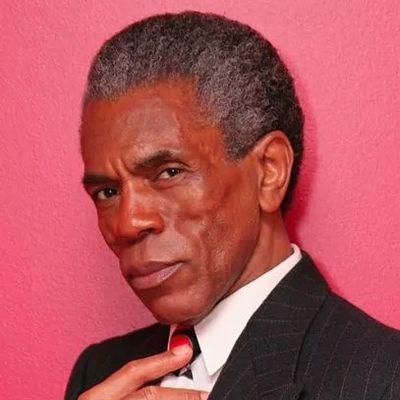
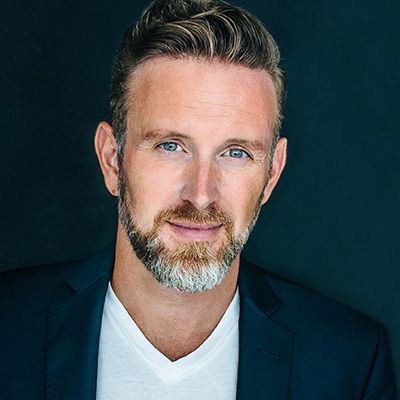
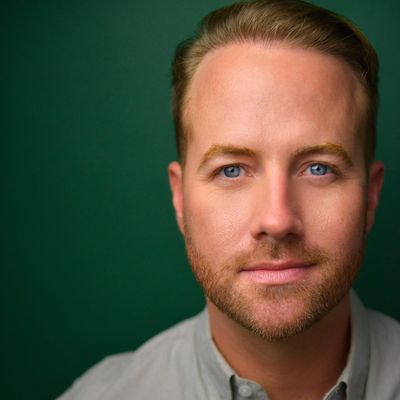

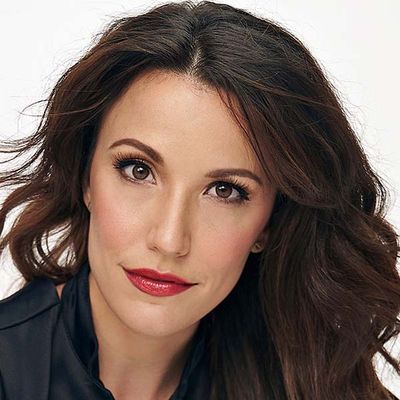

Featured Shows




About
Welcome to the 2nd Anniversary episode of the podcast! And what a year it has been!
We’ve had wonderful guests from actors and singers to stage managers and artistic directors. And this episode is a look back at some of the best moments from the past year as well as a look ahead to what’s in store for 2020. There’s a mix of previous released conversations and new clips never heard before now. I share clips from the popular Audition Stories episode, and then I highlight and critique the very first episode of the year, which was not my best to say the least. The guests featured during this anniversary: (click the name to go to their episode) Lothair Eaton • Tony Howell • Misha Osherovich • Caroline Bowman • Bret Shuford • Maggie Bera • Ilana Levine • Sherryl-Lee Secomb • Amy Marie Stewart • Caitlin Kinnunen • Ben Davis With a special appearance by Andre DeShields (on the Tony Awards). Check out these podcasts by… Maggie Bera - ACTOR AESTHETIC Ilana Levine - LITTLE KNOWN FACTS ---------- The time and expense needed to bring these guests and conversations to you each week is sometimes challenging but always rewarding. Please consider buying me a coffee to support this work that goes into each episode. Join the WINMI community by following on Instagram or Twitter as well as reaching out to Patrick with any questions or comments: contact.winmipodcast.com Your donation will go directly into the podcast, helping to grow the WINMI community and allowing me to do so with greater ease and effectiveness. I wouldn't be here without listeners like you, so your donations are greatly appreciated. All donors will be recognized in a future episode for their generosity.Transcript
This transcript was automatically generated and might contain errors.
[0:01] Lothair Eaton: Hi, I'm Lothair Eaton, and you're listening to Why I'll Never Make It.
[0:21] Patrick Oliver Jones: Well, happy birthday and welcome to the second anniversary episode of Why I'll Never Make It. That's right. The podcast is now two years old. It has been quite a journey these past couple of years, and I want to start off by saying a big thank you for being a supporter, a listener for your contributions, for interacting on social media, as well as the emails that you've sent and the support that you've given. It is in no small part that this podcast has grown as it has because of you. Those first few episodes, we had a handful of listeners that were there kind of trying us out, not sure we weren't even sure what we were doing. But it has now grown, and now hundreds are listening to each episode, and I just couldn't be more grateful for all that this podcast has become.
[1:45] Patrick Oliver Jones: Sharing not only their thoughts, but sharing my own thoughts with you each and every week. In this anniversary episode, I'm certainly going to be taking a look back over the last year at some of the guests that have come on, some of the great moments that have happened in the show, you know, and throw in a few of the moments that didn't go off so well. But before I get to that, I want to talk about an article that I read recently. It was actually one that came out in 2018, but I happened upon it after listening to a podcast called How to Fail with Elizabeth Day. She is an author and a journalist in the UK and had written an article for The Guardian called Why We Should Embrace Failure. And basically she chronicled her own life's ups and downs and what led her to create that podcast. And she talks about the different setbacks and failures that came up in her life that took her down different paths and in different directions than she thought that her life would be going.
[2:42] Patrick Oliver Jones: And one particular thing that she said really stuck out to me. Life crises have a way of doing that. They strip you of your old certainties and throw you into chaos. The only way to survive is to surrender to the process. When you emerge blinking into the light, you have to rebuild what you thought you knew about yourself. And that really got me thinking, not only about my own future, the future of this podcast, but about what led me to New York in the first place, which was to be on Broadway. I think most actors come to New York with that in mind, of eventually getting that audition, getting that callback, and eventually booking their first Broadway show. And for me, that has been an 11 and a half year journey of trying to make that happen.
[3:32] Patrick Oliver Jones: And I think with 2020 coming up, as we all make those resolutions about things we want to change or work on in the coming year, I think one of the biggest things that I'm going to be trying to work on for this next year is letting go of what I thought my life would be. I thought that I would come to New York. I didn't think it was going to be easy, but I thought I would come here, work as an actor, work my way up, and eventually book Broadway. After 11 and a half years, my belief in myself, while yes, I have those good days and bad days, but my belief in myself and the ability to become a Broadway actor, that really hasn't changed that much. But my belief in the system, my belief that others, casting directors, producers, that they will see that and cast me, my belief that that will happen has certainly waned and it's something that I cannot count on.
[4:32] Patrick Oliver Jones: And it's really something that I could never count on. But it's become more almost painfully obvious to me that it's something that I can't rest my hopes. I can't rest my life on that expectation. As Elizabeth Day wrote in her article, I need to start looking at my life. What if Broadway is not a part of it? What will my life be? What will I find enjoyment and contentment and happiness and fulfillment from? If this one big goal, this pinnacle, the apex of my hopes and dreams, if I don't reach that, what else do I have? And I'll admit, for the past few years, I haven't had much else. Because that hasn't happened, then I feel like I've just been coasting, I've been waiting. I've just been in a standstill, hoping that it will come and just kind of looking forward to it, but not really moving.
[5:28] Patrick Oliver Jones: And I realize that it's not just a matter of moving toward the goals that you want. But if those goals become out of reach, or if they keep getting further and further away, I need to find other things to reach toward because there's so much around me. There's so much other theater work I could do. There's so many other projects I can work on, this podcast being one of them. There's so many other ways that I can express my creative energies and put them to use than just being a Broadway actor. I need to do some digging in my own self and figure out what that is. Because that's certainly something that I'm struggling with. And so for me, why I'll never make it is because my idea of making it has been so singularly focused that I haven't opened myself up to other avenues and other ways that I can make it.
[6:21] Patrick Oliver Jones: For me, that's what 2020 is all about. Both in my life and my career. I think that is something that I can carry with me and be mindful of over this next year and hopefully going forward. I will admit part of me thinks that just like in relationships, you know, you want to date, you want to be with someone, you want that boyfriend, girlfriend, and then nothing happens. And then finally, when you kind of give up, when you're not looking, that's when someone comes into your life and they change it. So maybe this relationship with Broadway will be the same once I stop focusing on it, once I stop putting all of my eggs in that one basket and start spreading myself around and finding other ways to take my time and use my energies, then maybe it will come along when I least expect it. But again, that can't be my one focus. That can't be my expectation.
[7:15] Patrick Oliver Jones: I need to really find what is it that I'm doing? What is it that I'm not doing? What could I do more of to make my life to make others around me more successful and more content and fulfilled in this life? And I think that that outer focus is going to be much better than just concentrating on me, me, me, my goal, my goal. So let me know what you think. What are your resolutions for 2020? What are you thinking this next year is going to be, or what you hope this next year can be for yourself? You can certainly reach out to me on Twitter or Instagram, send me a direct message there, or you can go to the website, contact.winmepodcast.com. I would certainly love to hear what you're thinking and what you're going through and how you're kind of navigating. I think that's so important that we share and open up our own trials and tribulations.
[8:12] Patrick Oliver Jones: I think it's something that we can all benefit from as we hear from each other and learn from each other. And that has certainly been something that this podcast has tried to be. It's tried to be a conduit for conversations that we can all take something from, that we can all find that nugget of wisdom that the various guests share with us each and every week. One was from this past spring, Tony Howell. He's a digital strategist and is actually someone that I worked with on the Evita tour as a dancer and singer. But he now works to help artists with their branding and marketing themselves on the social and online platforms. And the second guest is Misha Osherovich, an actor who just recently moved from New York and is now transitioning to Los Angeles.
[9:21] Tony Howell: And so theater provided an escape for me. I could go be someone else for two or three hours. And at the time, to take thousands of people or hundreds of people away from their troubles for two hours or teach them something in two hours was a noble thing. And that's why I followed that path for so many years. But fast forward it and I became very disillusioned with the commercial theater and the market there. And so that's where I had that moment of looking at my intention of why I became an actor and how can I, instead of focusing on the what, which was Broadway, Broadway, Broadway, how can I focus on the why? But how can I start with my intention and look at those verbs? How can I go out in the world and inspire or create or change?
[10:05] Misha Osherovich: I've created different pathways for myself. But I really felt watching that film and having seen other content, limited content about eating disorders in the past. I had yet to see myself in those stories on screen in books that I read while I was in treatment. I never felt like I saw myself and the messy, hard to chew on, very gray area human aspect of eating disorders. They're not clean-cut. They're an incredibly insidious mental illness. And I felt very kind of driven, talk about in spite of things, very driven to make content, make something, make in this case a film, about how I saw this disorder, how it really pervades every part of somebody's life.
[10:53] Patrick Oliver Jones: And sometimes the challenges we face don't just come from our own life, but sometimes they come from the very work that we do. Caroline Bowman, who is currently Elsa on the Frozen National Tour, was actually part of my season opener for season three. And she spoke specifically about the role of Nicola in Kinky Boots and her journey with that character.
[11:15] Caroline Bowman: Even Nicola, I mean, like she doesn't in this show, she is a part of Charlie's story and how he gets to where he is. But she's like, it's kind of hard to I would I have found in the beginning, it was like hard to have a connection with her because you're like, oh well, she doesn't do that much in the show. But even I've fought for her. Like I've I found over the year and a half I have played her. I started fighting for her and defending her and defending like, and I'm like, wow, I really do connect with her. You know, like I do have found reasons to love her, and that makes the connection with the audience and everything because you are so in touch with your character, and she just doesn't, her story doesn't have a lot of stage time.
[12:02] Caroline Bowman: No, no, it doesn't. It's all off stage, a lot of her story. She's got she's she I have to have a fully developed offstage story.
[12:11] Patrick Oliver Jones: She's a busy woman. But no matter the challenge, Bret Shuford says we must face it head on. Bret is an actor singer himself. He's also one half of the Broadway husbands, and is also a life coach, helping artists and actors like myself meet these challenges in the best way possible. You know, not waiting for other people to give you permission is a huge asset. And I think so many actors, so many of us are waiting for permission. And you don't need permission. You don't need other people to come to you and cast you. You can produce your own work. You can create your own community by doing so. And things happen. You may end up not getting a direct path to what you want, but you'll get a roundabout path to what you want.
And things will happen that were beyond your wildest dream when you don't wait for other people to give you permission. And this idea of asking for permission is something that we all face, no matter whether we're a veteran with years and years of experience behind us, or we're just getting started in this business.
[13:21] Patrick Oliver Jones: And two of my favorite guests, one Maggie Bera. She holds a special place because she was toward the beginning of this year, and as a podcast, just kind of getting started. She was one of the catalysts that really propelled this podcast into a new sphere of listenership and really took it upon herself, and I'm so grateful to spread word about this podcast. And because of her openness and honesty on the show, it made for a really wonderful episode, especially for someone so young and new to the business. And then a few weeks later, Ilana Levine graced this podcast with her wonderful magnetic presence. She is someone who was in the original You're a Good Man, Charlie Brown, and has been featured in television and movies and other Broadway shows. And it was a true joy to talk to her and hear her experience and the wisdom that she brings to her audition process and to how she's made a life for herself in this business.
[14:27] Patrick Oliver Jones: I've always had this neat drive within me to perform and create. And I know that the statistics of being a successful actor are low, but there's something in me that says, I know the odds are against me, but I'm still here and I'm still going. And I know that one day I'm going to have one person that believes in me. One day I'm going to, someone's finally going to think of me and bring me in for a life-changing show. I know that eventually, as I think that there's a place for everyone in the theater industry, one way or another, especially if they love it and they have that drive to continue in it. But I just think that regardless, it's going to take time.
[15:43] Patrick Oliver Jones: For me, it's all about the writer. Am I who he or she imagined? And am I telling the story in the way that they had hoped? Both Maggie and Ilana host their own podcast. So look in the show notes for links to their podcast. The last clip I'm going to share is from Sherryl-Lee Secomb. She was actually my first international guest. She and I spoke together, me in the U.S. and her in Australia. She is an actress and director there and guides community theaters through the painstaking and challenging process of trying to stay afloat. And that is something that theaters here in the U.S. also struggle with. And she basically looks at us artists and puts us into one of two categories. I find there's two groups of people that tend to go into this industry.
Those who are seeking fame for the wrong reasons, and those who understand that it's a job and a craft. The job and the craft people tend to last longer and sustain better. Whereas, you know, if you don't figure out pretty quickly that the fame issue isn't going to work for you, and what is actually driving that, then you're going to crash and burn sometime soon.
[17:04] Patrick Oliver Jones: Back in the spring, I devoted an entire episode to just audition stories. It was actually one of my favorite episodes to put together. I had spoken with many of the guests that had been on previously, as well as episodes that were coming up after that audition episode, and some really wonderful stories, some heartbreaking stories, as well as some just hysterical stories came out of those conversations. So I thought I'd share with you three of my favorite ones. This first one is absolutely hysterical, and it actually got its own phrase, poopgate. Amy Marie Stewart, who is a singer and a vocal director herself, talks about the infamous poopgate. After that is one of my dear friends, Caitlin Kinnunen, who was star of The Prom on Broadway.
And thanks to you, is actually the most downloaded episode of the podcast. With more than 500 people listening to that episode on podcast apps, and over 300 people listening to it on YouTube. And the last audition story comes from the season two finale guest, Ben Davis. He is a magnificent actor and singer and a baritone, much like myself, who shares an audition story that actually has not been aired until right now about Baz Luhrmann and auditioning for La Bohème. I will for sure be doing another audition episode coming up in 2020. So stay tuned for that episode. For now, enjoy these three entertaining audition stories from Amy, Caitlin, and Ben.
[18:43] Amy Marie Stewart: So for those of you who don't know, at a Magic Mike, correct me if I'm wrong.
[18:49] Amy Marie Stewart: Yeah, it was a Magic Mike ECC chorus call audition. And I think this was for the dancer call. In the room, you know, it's generally a large room for all the dancers to, you know, learn the combination, do their audition. And so I believe the monitor or someone stepped in a pile of poop that was in the corner of the room. And so then it's like, where did it come from? And I think the conclusion eventually was that it was a service dog. So I have to wonder if it's the same service dog that was three or so years ago, I wanna say, where a creative team member who was there auditioning actors for the day brought in her dog. And in the middle of like this very intense, you know, set of sides that had a lot of high notes. It was very classically oriented, sort of a Phantom of the Opera style kind of thing. The dog wandered into the middle of the room and did actually start, you know, kind of taking liberties of, you know, in the middle of the audition.
[19:54] Amy Marie Stewart: The dog was critiquing the audition, basically. Yeah, you know, it did feel that way. I did feel a little personally offended. I was like, or maybe he just felt so free, you know, that like this was, this was. You gave him a safe space to be like the room is yours.
[20:04] Amy Marie Stewart: The room is yours. Take the space, my friend.
[20:09] Amy Marie Stewart: Yeah. So the dog just walks into the middle of it and obviously starts to hunch over as they do. And did everyone start to be like, no, no.
[20:18] Amy Marie Stewart: Yeah, a little bit. And so, but I kept going, and it was too a track too, which was like extra awkward. So it's not like there was an accompaniment that was gonna stop. So when I heard the story this past week, I'm like, it must like the first thing I thought was like service dog.
[20:33] Amy Marie Stewart: Right. And probably the same one, maybe, because this was also Pearl Studios. It was a while ago. But yeah, that that's that's the first one that comes to his mind.
[20:42] Caitlin Kinnunen: I know, I know, and and and that's that's a story you're not gonna forget.
[20:45] Amy Marie Stewart: You never forget that.
[20:46] Caitlin Kinnunen: No.
[20:46] Amy Marie Stewart: No, you never do. I'm I mean, I'm trying to think back to any auditions I've had where there were animals in the room. That was the only one where I'd never seen an animal in the room before. I can't think of a service animal or any just like pet. And this was probably, to be honest with you, like not a service animal. Because service animals are trained not to do that.
[21:04] Caitlin Kinnunen: Right, an actual service animal.
[21:08] Amy Marie Stewart: Exactly. It's probably, you know, an emotional support or like a buddy for the day kind of situation, or like doggy daycare was closed, and so they brought their dog in. But yeah, that was the first thing. I mean, auditions are hard enough as it is, but then you hear crazy stories like that, and it's just like, what is happening?
[21:25] Caitlin Kinnunen: I was recovering from mono, which like really took me out. Like mono, I was I was not okay. So I had mono, and I had found out that I had mono through getting tonsillitis that was so bad that it like my tonsils were so swollen that it was pushing my tongue out of place. So I like had a speech impediment for a while. So like had mono, so like I couldn't walk a block without taking like a 30 minute nap. It was horrible. And that's how I auditioned for Bridges of Madison County.
[21:58] Caitlin Kinnunen: Oh my gosh.
[21:58] Caitlin Kinnunen: It's just like sick out of my mind. I did my final callback for that and had to be rushed to an emergency ultrasound for my spleen because it was so enlarged that it was like throbbing, and they thought it was going to burst.
[22:12] Amy Marie Stewart: This was after the audition.
[22:14] Caitlin Kinnunen: Yeah.
[22:14] Caitlin Kinnunen: Oh my gosh. So, like, sometimes when you think your body is failing you and it is failing you, and you think you've had like a really shit audition, sometimes it's not that bad when people like you.
[22:28] Amy Marie Stewart: It's not your spleen rupturing.
[22:30] Caitlin Kinnunen: So so you'll make it.
[22:31] Amy Marie Stewart: Yeah.
[22:31] Caitlin Kinnunen: You'll get through.
[22:32] Amy Marie Stewart: It was great.
[22:33] Caitlin Kinnunen: Oh my gosh. Just like a little balance for you.
[22:35] Amy Marie Stewart: That's my favorite audition.
[22:37] Caitlin Kinnunen: No, no, no.
[22:37] Amy Marie Stewart: No, to me, that's good. The fact that after an audition, you have to go to the emergency room because your spleen's like, like, I literally like went and I like met my mom at a coffee shop and we were sitting there, and I was like, my side like is throbbing. And I at that point I didn't know where my spleen was. I didn't know that was a thing.
[22:52] Caitlin Kinnunen: Yeah.
[22:53] Caitlin Kinnunen: But apparently, when you have mono, it can enlarge your spleen to the rupture.
[23:00] Amy Marie Stewart: Ooh.
[23:01] Caitlin Kinnunen: Yeah.
[23:02] Caitlin Kinnunen: But it didn't.
[23:03] Caitlin Kinnunen: It didn't you were fine.
[23:04] Caitlin Kinnunen: You still got your spleen.
[23:05] Amy Marie Stewart: So your spleen is on your left side for those of you.
[23:07] Caitlin Kinnunen: No, you know who you don't know.
[23:08] Caitlin Kinnunen: Right under your ribs.
[23:09] Amy Marie Stewart: So it's still doing its job.
[23:11] Caitlin Kinnunen: It's still going.
[23:12] Caitlin Kinnunen: Hasn't throbbed in a while.
[23:14] Caitlin Kinnunen: It's good.
[23:15] Ben Davis: You know, with Baz, it was always film. He was always up there with you. Then we came in for work sessions where we would have all the bohemians together. So me, Rodolfo, Shonard, Coline, all of them, and but he didn't have enough. So then he asked some people behind the table to come up and be these other people.
[23:34] Ben Davis: When your audition becomes like the full on scene. What I didn't realize is one of them was Jeffrey Seller, the producer.
[23:41] Patrick Oliver Jones: So yeah, it's but it's so interesting. So it was just fun, and he just made it seem like just work. It was just work. It was just let's create, let's see what we can do here.
[23:51] Ben Davis: Yeah.
[23:51] Patrick Oliver Jones: So that was the best. And then do you have like an audition that wow, I wish I could have done that one better, or yeah, just it was when I was having all the vocal issues and I went in for a show that was like a lame as light and a director, a British director, and I sang a song that I sung hundreds of times before and always felt like I can kill this song, and it just wasn't there. And he made some sort of comment about it, and that that hurt a lot because I knew I was struggling in a certain way.
[24:25] Patrick Oliver Jones: Yeah, you know, and so for him to then comment on that, I have him locked in my head.
[24:33] Patrick Oliver Jones: And you remember that exactly.
[24:35] Patrick Oliver Jones: Yeah, and you wouldn't remember me from, you know, yeah, but in your mind, you're like, I know exactly what you said, it's still in there.
[24:43] Patrick Oliver Jones: Yep, yeah.
[24:43] Patrick Oliver Jones: How did that make you feel coming out of the world?
[24:46] Patrick Oliver Jones: Destroyed.
[24:47] Patrick Oliver Jones: Destroyed.
[24:48] Patrick Oliver Jones: Because I would, I was already vulnerable and already incredibly, I knew that I was operating at a deficit.
[24:56] Patrick Oliver Jones: So, you know, and it was just something I couldn't control.
[25:00] Patrick Oliver Jones: One, you've always had your voice, because my voice has always been what I counted on.
[25:04] Patrick Oliver Jones: I knew I could always count on my voice.
[25:06] Patrick Oliver Jones: And when that's taken away, it's an incredibly frightening experience.
[25:11] Patrick Oliver Jones: It really is interesting how much that, that just being a little off, or you know, instead of being at 90%, you're like 70%.
[25:19] Patrick Oliver Jones: It's interesting how just that little adjustment, you're having to work a little harder, you're having to play songs differently, and all of a sudden you're exhausted.
[25:26] Patrick Oliver Jones: Totally out of whack, man.
[25:27] Patrick Oliver Jones: Yeah.
[25:27] Patrick Oliver Jones: And it's because it's such an emotional instrument.
[25:30] Patrick Oliver Jones: It's all emotion.
[25:31] Patrick Oliver Jones: You know what I mean?
[25:32] Patrick Oliver Jones: That any sort of lack of confidence can really make you do things that then compromise your voice a lot.
[25:40] Patrick Oliver Jones: And I'm sure you find this in auditions, and sometimes you'll kind of ramp it up or get a little extra and you get a little tense.
[25:46] Patrick Oliver Jones: Yeah.
[25:46] Patrick Oliver Jones: So it's just, yeah, that will always stick in my head.
[25:50] Patrick Oliver Jones: And but then you learn that if that's as bad as it gets, okay.
[25:55] Patrick Oliver Jones: I survived it.
[25:56] Patrick Oliver Jones: Right?
[25:56] Patrick Oliver Jones: You've done pretty well since then.
[25:58] Patrick Oliver Jones: Came out since then, so it's all right.
[26:00] Patrick Oliver Jones: And this too shall pass.
[26:01] Patrick Oliver Jones: And you just lock it in your head and go, well, that was an interesting experience.
[26:05] Patrick Oliver Jones: And if I ever get to know that director well, and we're on good terms, I'll be like, you were not very nice to me at one point in time.
[26:14] Patrick Oliver Jones: This is all water under the bridge now, but I just want to let you know that took some therapy.
[26:28] Patrick Oliver Jones: And now we come to my favorite moment of 2019.
[26:33] Patrick Oliver Jones: This podcast isn't usually topical, it's not following what's on the news or what happened that day.
[26:39] Patrick Oliver Jones: However, after watching the 2019 Tony Award ceremony, I had a few thoughts.
[26:46] Patrick Oliver Jones: And I immediately went to the microphone and recorded the episode that aired in June, talking about my feelings, my impressions, and what I learned and gathered from that Tony Award ceremony.
[27:03] Patrick Oliver Jones: And of course, the moment that was the moment was Andre DeShields giving his acceptance speech for winning the Tony Award for Best Featured Actor in a Musical.
[27:15] Patrick Oliver Jones: So I would like to share with you just three cardinal rules of my ability and longevity.
[27:24] Patrick Oliver Jones: One, surround yourself with people whose eyes light up when they see you coming.
[27:33] Patrick Oliver Jones: Two, slowly is the fastest way to get to where you want to be.
[27:41] Patrick Oliver Jones: And three, the top of one mountain is the bottom of the next.
[27:47] Patrick Oliver Jones: So keep climbing.
[27:49] Patrick Oliver Jones: That moment, that speech will forever be etched into my memory.
[27:54] Patrick Oliver Jones: A 70-year-old actor with a 50-year glorious career winning his first Tony Award and sharing that wisdom, that experience that he's been through in those three simple rules.
[28:09] Patrick Oliver Jones: It was, it is something that will definitely stick with me for the remainder of my career.
[28:15] Patrick Oliver Jones: May it, may it last 50 years as well.
[28:19] Patrick Oliver Jones: And as I said at the beginning of this episode, my focus on Broadway has perhaps kept me from other opportunities that might have been as wonderful, that might have been even more worthwhile and fulfilling.
[28:35] Patrick Oliver Jones: And who knows?
[28:37] Patrick Oliver Jones: I mean, forget about a Tony Award.
[28:39] Patrick Oliver Jones: Maybe my Broadway debut won't happen until I'm in my 70s.
[28:44] Patrick Oliver Jones: But what a ride it's going to be until I get there.
[28:49] Patrick Oliver Jones: Well, thank you for joining me on this episode.
[28:52] Patrick Oliver Jones: It's been great to take a look back at the previous year that's happened in theater, that's happened on this podcast.
[28:59] Patrick Oliver Jones: And I appreciate you coming along, not only for today's episode, but for this entire year.
[29:06] Patrick Oliver Jones: Please know that every time I get behind this microphone, I am thinking of you and the questions that you want to ask and the stories that you want to hear in order to get through this business and ultimately to have the best life that we can.
[29:21] Patrick Oliver Jones: Now, as I promised you, I'm going to be sharing a little bit of one of the less stellar moments from the podcast.
[29:30] Patrick Oliver Jones: But before I do that, I do want to say a little bit about 2020.
[29:34] Patrick Oliver Jones: There's going to be a slight change, and the change is coming in the form of seasons.
[29:41] Patrick Oliver Jones: Now, so far, the seasons, our first season was actually shortened.
[29:45] Patrick Oliver Jones: It began basically in January, went through around June.
[29:48] Patrick Oliver Jones: Then I started the second season in September, went through June.
[29:52] Patrick Oliver Jones: This season started in September.
[29:55] Patrick Oliver Jones: But instead of going through June, I'm going to end it right now.
[29:59] Patrick Oliver Jones: So season four will begin in January.
[30:04] Patrick Oliver Jones: Because I want to have a year-long podcast.
[30:08] Patrick Oliver Jones: Before I was taking a break during the summer, and I want to have a year-long podcast that just keeps going.
[30:15] Patrick Oliver Jones: The summer break, while yes, it certainly is a great time for me to focus on the work that I do in the summer, the different shows or whatnot.
[30:23] Patrick Oliver Jones: It also was giving me a break to formulate what I want to do for the next season, get together some guests and this and that.
[30:30] Patrick Oliver Jones: My goal for 2020 is to have a year-long podcast.
[30:35] Patrick Oliver Jones: That's right.
[30:36] Patrick Oliver Jones: Something every week of the year.
[30:40] Patrick Oliver Jones: Now we'll see how that holds up, but that is certainly my goal for 2020.
[30:44] Patrick Oliver Jones: And that is my promise and gift to you that I will be here every week of 2020.
[30:51] Patrick Oliver Jones: Now the podcast will still come out on Wednesdays.
[30:53] Patrick Oliver Jones: I'm going to stick with Win Me Wednesdays.
[30:56] Patrick Oliver Jones: I kind of like that.
[30:57] Patrick Oliver Jones: So join me January 8th for the very first episode of season four in 2020.
[31:04] Patrick Oliver Jones: Again, thank you so much for being a part of this podcast and for sharing the news with those who you think could benefit and learn from this podcast.
[31:18] Patrick Oliver Jones: So stick around for the why this podcast will never make it moment.
[31:24] Patrick Oliver Jones: But until next year, I'm Patrick Oliver Jones reminding you that the reasons for not making it in 2019 may have been frustrating and seemed arbitrary.
[31:36] Patrick Oliver Jones: But the reasons to keep going in 2020 are even more numerous and rewarding.
[31:42] Patrick Oliver Jones: I'll see you next year on Why I'll Never Make It.
[31:52] Patrick Oliver Jones: Now, when it comes to this podcast, I love doing the interviews.
[31:57] Patrick Oliver Jones: And admittedly, some guests I connect with better, some interviews go better, that just happens.
[32:03] Patrick Oliver Jones: But overall, I think all of my guests are good and they provide some insight or wisdom into this business.
[32:10] Patrick Oliver Jones: But the real tough part is when I want to do a solo episode.
[32:14] Patrick Oliver Jones: I have a particular issue I want to talk about, or sometimes I just couldn't find a guest for that week, so I'll just come up with a topic and go from there.
[32:24] Patrick Oliver Jones: And I think for the most part, those episodes have been successful, like when I did a tribute to Marin Maisie and most recently the Thanksgiving episode, where I talked about being grateful for what we can in this business.
[32:38] Patrick Oliver Jones: But sometimes my solo episodes have gone in interesting directions.
[32:42] Patrick Oliver Jones: There was one where I was on jury duty for two weeks, so basically my whole life stopped.
[32:48] Patrick Oliver Jones: I couldn't do any podcasting, any auditioning, no other work except for jury duty.
[32:55] Patrick Oliver Jones: So that was at least interesting.
[32:56] Patrick Oliver Jones: The case was kind of a fascinating story, so I talked about that two-week experience.
[33:03] Patrick Oliver Jones: But one particular episode, which was actually the very first episode of 2019, dealt with the story of cupcakes.
[33:13] Patrick Oliver Jones: Yeah.
[33:14] Patrick Oliver Jones: I thought that it would just be fascinating for me to talk about how I botched making a cupcake.
[33:21] Patrick Oliver Jones: Now, don't worry, I'm not going to torture you by replaying that particular segment of the episode.
[33:28] Patrick Oliver Jones: Because I went on for four or five minutes talking about how I messed up my getting together the ingredients for the red velvet cupcake.
[33:37] Patrick Oliver Jones: But I do want to showcase a little bit about what makes me listening back to it cringe a little bit.
[33:43] Patrick Oliver Jones: Now it didn't have any underscoring, so why don't I try and add a little bit?
[33:48] Patrick Oliver Jones: It may help.
[33:49] Patrick Oliver Jones: Yeah, yeah, something like this.
[33:51] Patrick Oliver Jones: And maybe this will help this story.
[33:54] Patrick Oliver Jones: Now I've already talked about making the cupcakes, and I'm kind of getting to the point that I'm trying to make here.
[34:00] Patrick Oliver Jones: Basically, it was, there was water down the bottom of each of the cupcake things.
[34:05] Patrick Oliver Jones: It was just an absolute mess.
[34:08] Patrick Oliver Jones: And on this box, it even said step one, step two.
[34:12] Patrick Oliver Jones: It wasn't difficult.
[34:13] Patrick Oliver Jones: It wasn't sure was absolutely written out.
[34:16] Patrick Oliver Jones: All I had to do was read and follow the directions.
[34:19] Patrick Oliver Jones: Isn't that interesting?
[34:21] Patrick Oliver Jones: Just so interesting.
[34:22] Patrick Oliver Jones: So needless to say, no red velvet cupcakes.
[34:26] Patrick Oliver Jones: Fortunately, I still have the frosting.
[34:28] Patrick Oliver Jones: Nope.
[34:28] Patrick Oliver Jones: Not done yet.
[34:29] Patrick Oliver Jones: It's some time if I want to do that.
[34:32] Patrick Oliver Jones: But I did take a tiny bite of it.
[34:35] Patrick Oliver Jones: Ugh, it was a mess.
[34:37] Patrick Oliver Jones: It was an absolute mess.
[34:38] Patrick Oliver Jones: How many times can I say mess?
[34:40] Patrick Oliver Jones: In the holidays that did not turn out that badly.
[34:42] Patrick Oliver Jones: This was just a one-off, but it was a stark reminder of how I distracted, how I get hurried, how I just want to like get to the end and get it in the oven.
[34:53] Patrick Oliver Jones: Oh, I wish I'd gotten to the end of this story.
[34:59] Patrick Oliver Jones: But now here we go.
[35:01] Patrick Oliver Jones: It definitely reminded me how I do that sometimes with my career.
[35:06] Patrick Oliver Jones: I try to hurry along.
[35:08] Patrick Oliver Jones: I try to, okay, well, I just need to get to the next show, so I just kind of barrel on the.
[35:08] Patrick Oliver Jones: Oh, I see.
[35:08] Patrick Oliver Jones: It's a metaphor.
[35:08] Patrick Oliver Jones: I just need to get hired again.
[35:17] Patrick Oliver Jones: So my focus is on the next show on getting hired rather than.
[35:21] Patrick Oliver Jones: You see, it's a cupcake metaphor for my career.
[35:25] Patrick Oliver Jones: Yeah, that's what I talked about on an episode.
[35:28] Patrick Oliver Jones: So anyway, I'm not saying it's the worst podcast episode I've ever done or listened to.
[35:34] Patrick Oliver Jones: Anyway, that episode did eventually get into an interesting story.
[35:39] Patrick Oliver Jones: I had a conversation with Mark Kutish at an event one time, and so I relayed the bits of that conversation.
[35:48] Patrick Oliver Jones: He didn't actually come on the podcast, but maybe one day, fingers crossed he will.
[35:53] Patrick Oliver Jones: But yeah, but that first part of the cupcakes and Kutish.
[35:58] Patrick Oliver Jones: Yep, that's what I called the episode.
[36:00] Patrick Oliver Jones: That is still on the episode list for you to enjoy.
[36:04] Patrick Oliver Jones: Should you ever happen to have 20 minutes where you have nothing to do?
[36:14] Patrick Oliver Jones: Hey Siri.
[36:16] Patrick Oliver Jones: Subscribe to Why I'll Never Make It podcast.
[36:20] Patrick Oliver Jones: Just to confirm, would you like to subscribe to the podcast Why I'll Never Make It by Patrick Oliver Jones?
[36:26] Patrick Oliver Jones: Yes.
[36:28] Patrick Oliver Jones: Okay, I've subscribed you.
© Broadway Podcast Network, All Rights Reserved