

It’s been several seasons since the last time Audition Stories took center stage, but they’re finally back — and this time with a brand-new collection of unforgettable moments from the audition room... Read More
From the show: Why I‘ll Never Make It
Guests
Featured Shows
About
It’s been several seasons since the last time Audition Stories took center stage, but they’re finally back — and this time with a brand-new collection of unforgettable moments from the audition room. These are the kinds of stories that stick with you long after the casting table has cleared: the ones that make you laugh, cringe, and nod in recognition at just how unpredictable this business can be.
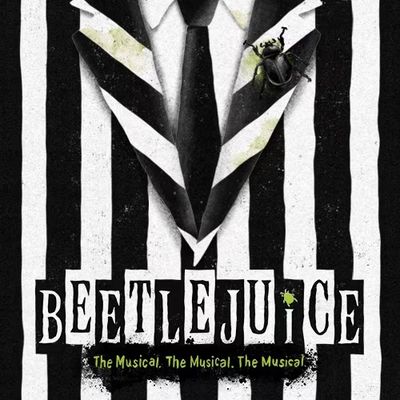
From quick recoveries and bold risks to the kind of mishaps you can’t help but retell, these guests pull back the curtain on what it’s really like to step into an audition and leave it all on the line. And to close things out, I share my own personal story—one that’s been twenty years in the making and is now leading to my Broadway debut in Beetlejuice.
Auditions are where careers begin, where resilience is tested, and where surprises can change everything. This episode celebrates all of that and more.
To get more audition stories, please subscribe . And to support the ongoing efforts of this podcast you can also donate as well. Thank you!
Transcript
This transcript was automatically generated and might contain errors.
[0:06] Patrick Oliver Jones: While every actor dreams of stepping into the spotlight or standing in front of a camera, the real job of an actor is to audition. That's where we bring characters to life in our own unique ways, creating choices, adding motivations, anything we can do to make our audition stand out. Sometimes that means going after a lead role with layers and a juicy story arc, while other times it's reporter number three or man at Deli Counter, characters that exist just long enough to dump exposition and then disappear.
[0:42] Now you've heard the old saying there are no small roles, only small actors. Well, whether it's Hamlet or Ham Sandwich guy, an actor still has to show up and audition to book the part. And in today's special episode, I've pulled together audition stories from past guests, which is usually reserved just for subscribers. But I'm bringing these out for you in hopes you'll consider becoming a subscriber as well, and support the ongoing work of this podcast. Think of this episode as a sampler platter of the hilarious, awkward, and all too relatable moments that come from chasing a role. You'll hear from Broadway, regional, and international artists from both stage and screen. And at the end, I've got my own audition story to share, plus a special announcement that connects directly to the whole theme and message of why I'll never make it. All that and more after the break.
[1:56] These first two guests both know what it's like to be part of a New York production, though their audition memories show just how unpredictable and surprising those moments can be. One such story comes from Aubie Merrylees, who starred in the recent Broadway production of Boop, playing Oscar Delacourt, the over-the-top director. He talks about how he was ready to accept a nine to five job offer from a software sales company right before To Kill a Mockingbird came along, which leads us into a discussion of the notorious producer Scott Rudin and his comeback to Broadway. But before that conversation, we begin our audition stories with one of the most celebrated playwrights working today. Lynn Nottage is a two-time Pulitzer Prize winner, a MacArthur genius fellow, and the librettist of MJ the Musical. She shares what it was like to sit in on auditions for one of her plays here in New York, and how an actor's unusual interpretation of her words caught her completely off guard.
[3:30] Lynn Nottage: I looked over and they were stifling their laughter. And then the director's like, you shouldn't be laughing. And then we looked at him, and he began to laugh. And we just couldn't control it. And I thought, surely this person is auditioning knows. And maybe this person is auditioning is being provocative, and this is the performance. So you're laughing during the audition, which I assume was not a funny piece that they were auditioning.
[4:05] No, I mean we were laughing, and I do remember the casting person saying, We're so sorry. Give us a moment. We couldn't stop laughing. And the poor person was standing there, and he's like, should I continue? And the director said, God, no.
[4:26] Oh my gosh. Oh, I mean, I haven't had someone laugh when it wasn't funny. So I haven't had that particular experience in my audition, but I can only imagine if it wasn't meant to be provocative.
[4:38] I think I a hundred percent think it was designed to be a provocation. I can't explain it any other way. Or perhaps this person was in singing. Well, can you give us at least one tidbit of what this person did?
[4:53] The person was using a voice like this. That was really high. It was like a choice. Like, why are you thinking? Why are they speaking so high? But not even higher than I'm doing. It was really, really high. It's so airy. When they were talking, it was really like this. It was like Elmoho. I was like, and as it's happening, it's like, why is he doing that?
[5:18] Oh my goodness. Oh my goodness. Well, when the auditioner left the room, then what was that discussion like?
[5:27] We were in shock. I mean, is the discussion like, what the hell was that? And why would anyone do that? I mean, that was the question. Like the why. I mean, you uh yes, yes, us as actors, we come up with some crazy things sometimes. I mean, I've seen crazy things. Sure. And where I've been able to just sit and think, this is really crazy. But this was like beyond that. This was just like, oh my god.
[6:04] So funny. But it's really funny. No, no, it sounds it. It sounds really and the big Wolfing is like, I'm so sorry, that's never happened before. Oh my gosh. Like, I don't know how that even happened. Are you usually in the room for all of the plays and stuff?
[6:22] For a new production, even for MJ, I still go to the auditions. I mean, I just think it's really important. I mean, and this is the piece of advice I had to have for actors is when you come into audition, read the play. Because sometimes I can tell when people in the audition room where they have no idea what's come before, what's come after, because they make a choice that's antithetical to what you need in the room.
[6:54] And in some instances, you know, you can just give the adjustment and say, you know, this is actually a tragedy. Right. As not a comedy. And then the other thing, I mean, particularly if a show has been running is go and see it before you audition it just makes it a hundred percent easier. And the third thing I will just say about this is that literally when you're in the audition room, every single person who steps into the room, you want them to be the person to get the role.
[7:25] Is that you're never rooting against anyone? You know, you are so deeply every single time someone steps into that room, you're like, this is gonna be it. This is the person that I want.
[7:36] Yeah. And to know that that's the energy, at least that I am projecting, is I'm here for you. Whenever you write, do you have either particular actors in mind or you have a particular type of actor that you want?
[7:51] Lynn Nottage: You know, it's um that's a really good question. And there are times, and it's rare that I actually hear very specific actress voice in my head. It's like for Intimate Apparel, I heard Viola Davis. It's like I had seen her in Everybody's Ruby at the public theater. And when I was writing the play, her voice became my lead line. And then when I was doing Clyde's Ron C. Fitz Jones, he just for Montrellus, he was just the person who came to mind. It's like I heard his voice, and then when he said what both of them said yes, I'm like, Hallelujah. But it's really rare that I'm thinking very specifically about someone.
[8:37] But I and sometimes it's someone I know whose voice is leading me.
[8:43] Yeah, yeah, just someone in your life, nothing.
[8:45] Yeah, just someone in my life, you know. It's like, yeah, this is my friend Tanya.
[8:52] Well, we've been talking about To Kill a Mockingbird. You mentioned it a couple of times, and before even auditioning for this show, you would actually gone through personal stuff, you know, that maybe you wanted to stay away from performing altogether. So you were kind of had some personal and professional stuff to deal with as To Kill a Mockingbird came up. So tell us about this audition and why it meant so much to you.
[9:13] Lynn Nottage: Yeah, I had been doing that thing that I think of that I was talking about doing in moments of pause where I was deeply reflecting on where I was and what I wanted, and I sort of was like, I don't know. I might I love doing this. I love acting, I love being in theater. So there's so much about it that I love, but I don't know if this is gonna give me the life that I want. The scarcity is really hard, and not being able to plan for the future is really hard. Not being able to buy the things you need or want is hard because you're poor because New York's expensive.
[9:57] Yeah, like I just don't like being poor, I've come to realize. So I was in that mode, and I like a series of crazy things happened, and I found myself finding out about this job at a software sales company, and I went through a series of interviews for it, did really well, convinced them somehow. I sort of was playing a part. I was doing what I said I would do. It's like I'll play the part of somebody who does this well. I sort of was selling myself in that way, and like I'll approach it like that, and I will I'll memorize all this shit I need to do, and anyway, so I was playing that part in the interview process, and I won them over, and I got this job offer, and I asked for more money, they gave me more money, and then the day I was going to accept the job.
[10:55] Oh, well, so at the same time I got this audition for To Kill a Mockingbird. I love Aaron Sorkin, West Wing is one of my favorite shows. I used to say it was my favorite show. I really love Six Feet Under. So But I looked at the script, Aaron Sorkin's dialogue makes so much sense to me. I remember reading To Kill a Mockingbird as a kid. It just clicked. And I remember thinking, Oh, like this one could work. This one could happen. And it's sort of like that, you know, I'm gonna audition for only Yale. I was like, Yeah, I think I'll get this.
[11:30] And so I went in and auditioned for the casting director, Daniel Sui at Lincoln Center, because Lincoln Center, it was like originally Lincoln Center was involved in the production, that's where we rehearsed. I auditioned for Jem and Dill, and Daniel gave me some really helpful feedback for Jim. And then I went away a couple days later, went back to this interview process for the sales company. I was also workshopping a play in Philly, so I was commuting for these auditions.
[11:56] You were a busy boy.
[11:58] Um yeah, and then I came back a few days later and Bart was in the room, the director, and we did it, and I think he I don't know if we even chatted after I think I just divved it once and that was it. And then I went away, went did more interviews, got this job offer, went back, did one more audition, and Scott, the producer, was there too, and then at that one, like Bart stood up and shook my hand, never got any notes from Bart. He was so I was like, okay, like if he wanted me, he probably would have given me an adjustment. So I think they really liked me. I know I did my best, and I'm not gonna get it.
[12:39] So then I uh because they had a little voice that maybe I'd get it. I asked for the weekend to think about this sales job. And on Monday, I had a call with the company to accept the job at 4 p.m. and at 2 p.m. I got a call that I had booked To Kill a Mockingbird. And I just felt like divine intervention, being like, no, no, no, this is what you're supposed to be doing. I remember when I told my dad I was applying for this job, he cried. He was like, I want you to be an actor, which is such a crazy thing for a parent to say. Um especially when there's like steady sales job versus unpredictable actor life. And to be clear, like we don't come from money. Like I like it's not like he's like, like, I want you to be an actor and I'll pay for it.
[13:26] Patrick Oliver Jones: He's like, I just think that he had really and my mom as well, they both really invested in this dream. Um and I think it was complicated for him to hear. Um, but uh anyway, so divine intervention, and now here I am, seven years later, still doing it. Never thought about sales again, I assume. It was a moment in the pandemic. And they were like and they were like, We're not hiring anymore. Yeah, you had your chance. You know, I offered to buy them tickets for the Kill a Mockingbird. They never took me up on it. Oh, yeah. Well that well, they were hurt. They were hurt. Yeah. No. What was that phone call like at 4 p.m.? He was super understanding. He's a big fan of Jeff Daniels. And I was basically like, look, this is the opportunity of that I maybe dreamed about as a kid.
Like I even if this is the wrong decision, I have to do it. And I to be clear, like I don't believe it was the wrong decision. And then I also I think that whatever decision you make is the right decision. I think we're always moving forward. Sometimes it feels like we're moving backwards, but I think those are still steps forward. It's still growth, even if it's backwards, still things to learn. Yeah. I try to always think in like a forward trajectory, like, and like what's the growth opportunity here, or what's the, you know, yeah, absolutely. Well, I mean, since you brought up to Kill a Mockingbird, and I might as well ask since he's making his little comeback, what do you think of Scott Rudin coming back to Broadway?
He's a really good producer. Yeah. He knows a good show, that's for sure. Yeah. You know, uh, like my experience, I can speak about my experience, which is and I know everybody is entitled to their experience. And I would never, you know, obviously he has owned things about his behavior that he regrets. I think that what he has expressed, the sort of growth he has expressed, is very seems very beautiful to me. Um, I hope that that you know, I of course hope he has grown. I think he's a really good artist. So I think he's a really empathetic man. So I am inclined to believe that that is true. Because you can't be as good of an artist as he is without that heart. And I think that because he has such a good aesthetic, he had strong opinions about everything.
And I think that benefited his shows. But I think, of course, that's a lot of pressure on one person, and that does sort of create an environment where one person isn't sleeping. And um it sort of creates an opportunity for uh for the behavior that was described in whenever that was in 2021 when that all came out. So yeah, I mean, there's certainly many actors can talk about acting coaches that that are that same way that they're just kind of berate that yell, and sometimes that's their way of bringing it out of actors. And you know, I'm not I'm not saying that there's a right or wrong way per se, but um, like you were saying, the proof's in the pudding, like he's expressed regret, and now we'll see.
Uh yeah, I guess like, you know, he I I'm very grateful to him, and I also think that we, like my community, I guess, like we talk about the importance of calling people in and creating an opportunity for change and growth. And I think there are some people who I'm sure there are a lot of people who are like, no, like he heard me and I'm done. And that's so valid. I will say that I am most moved the most moving theater to me is theater of like growth and transformation. Winter's Tale is my favorite Shakespeare. And it's about like Leontes does some horrible stuff because he's convinced his wife is cheating on him. And the power, and the redemptive power of his um change, I find really moving.
And um getting emotional. Yeah, I can see it in your face. Yeah. And I think that it's so tempting to want when people have heard us to like just want them to go away. And I think that um as far as was it an article in the New York Times, I think a couple months ago. I I think it was the New York Times had that that piece on him. Right, yeah. Just like a Yeah, I read several different articles. Yeah, kind of once the announcement came out, I kind of went to several different articles. I just I just what he said I just found kind of beautiful. And I I'm just choosing to believe that it's true. And uh I think you can say whatever you want to say about the moment before, but like it, you know, he recused himself, he did what he had to do.
Um seems I don't know. I just uh no, no, I mean it yeah, it's it's it's one of those things where yeah, it it's a complicated story, and yes, I think each of us have have made mistakes, maybe not that big, maybe worse, who knows? But we all make mistakes and we hope that we can come back from them and move forward. So we we shall see uh you know what moving forward for him looks like. Yeah, he's been such a champion of idiosyncratic artists over his career. I mean, like I also love Wes Anderson and Scott was like Wes Anderson's producer for m for years and years. I just like there's something about that that I just wish there were more people who were like that. And obviously, like I don't, you know, where there's bad, I don't want there to be bad.
I will I sort of want everybody to be super kind to each other and generous, and I get really uncomfortable when we're not. So often in the theater, things start to feel life and death, and people are really terrible to each other. And I've experienced that from so many collaborators. And that's like for me, I'm sort of like it came out a little bit in the pandemic. We were talking about the toxic practices of the theater a lot. And I just there's a lot of bad behavior in the theater. And I want us to continue to sort of address that and not convince ourselves that if like not put it on a person, you know, like because I I've been experiencing it since basically all my entire life. As I started acting professionally when I was 11, I have experienced it not in New York.
Like it's just theater attracts. Tough people and also the collaborative art form. It's like there's a high pressure, there's not enough money. Everybody is like act is in an emotional place the whole time. It's just tricky. And then and it's opinion, it's one of opinion. And people have have this to say or that to say and these beliefs. So so we go. I I I totally agree with you that uh the art form itself is uh can lead people to to really be kind or really be mean, and it it just it's a fine line that can take people either way. Yeah, yeah.
[21:19] Patrick Oliver Jones: Our next two stories both center on those moments in auditions when everything suddenly changes, when something unexpected happens, and you have to decide right then and there how to keep going. You'll hear from Sònia Victoria Werner, a multilingual, multi-hyphenate artist who is an actor, producer, writer, model, and entrepreneur. She has built a career across many disciplines. And her story comes from a musical theater college audition where she had to go it alone without her parents, and trouble ensues. But before we get to her, we'll hear from Akiko Aizawa, a Japanese artist, model, and accomplished dancer who has built a career performing across the globe with the famed City Company. Her story comes not from the theater world, but from the modeling world, which is quite different.
You said that at one point you submitted a hundred and ninety-four print and commercial model auditions via self-tape, and you only booked three of them. Which is uh yeah, and and so I I calculated that that's a booking rate of 1.5%. So that means 98.5% of your auditions, nothing. You know it nowhere, which is kind of crazy when you break it down like that, isn't it? I the my agent was really amazing because uh she just kept submitting me, and then she got a response, and this I got the opportunities. First 10, I got depressed, but after that, just I'm enjoying it. It's challenging and time consuming because I'm the perfect perfectionist. And actually the um the one-liner or the opening scene of a TV series audition was easier for me because I read her and reading it.
And if they don't like it, it's done. But print model audition, it's so interesting. You should write down the story or the makeup. Baseline is I should be simple, but my range, the audition range, it's 85 years old glamour, it's cooking. Or, you know, 40 years old Japanese chick is moving around the city. And sometimes it's not specific story, sometimes it's very specific. So I'm using the my theater education imagination. So I thought the audition process was beneficial. Yeah, it's the same with voice acting, because I I've auditioned for voice character where and it's the same thing where you have to infuse all of this character and all of this uh intention and emotion into just your voice.
And and I assume it's the same as you model audition. You have to convey a story with a hand gesture or a facial expression, and so it's all about telling these stories through different parts of our body. Indeed. Now, I I once sat down and did my own booking rate for one year. I I you know went through my auditions, I figured out how many that I booked, and it was like just under five percent that I booked. You know, again, I mean, which is like five percent. Woo! Good job. But uh yeah, because between like five and ten percent, you can make a living. So it it was it was kind of crazy though to realize 95% of the time I had quote unquote failed that year, but yet I still made a living, you know, I paid the rent, bought myself food.
And and so would you say that often in this business that persistence matters more than picking the right song or the right monologue or wearing the right outfit for an audition, right? It really it really comes down to just showing up and being there, right? Yeah, and just be there and pay attention. And sometimes I feel like the the record requirement is far beyond or far too far from me, my personality and my look. But sometimes I get called back, sometimes final round or something like that. So if there is opportunity, go there. It's my advice. Yeah, because we can say no to ourselves so many times, but if someone wants to see us, wants to hear from us, then we should go there and and see what comes of that opportunity.
This is when uh your college audition for NYU Tish School of the Arts, and this was in in late January of 2019. It your parents have been you with you through the whole college audition process. But tell us about this particular one for NYU Tish. I I told my my mom I was gonna be telling this story, and I and she, I think, panicked because it it was so out of character for my parents. As as we know from this this episode, you know, I I was the first to do a lot of these things in my family, and the first also to go through college auditions, which if listeners don't know, I'm sure that they do, um, here, but you know, college auditions and college like auditioning and applying for college as a drama major or as an acting major or musical theater, you have like three thousand more steps to to do all of it because it's not just the application, it's now the auditions. So for um for this, you know, my my parents, we had gone all around the country.
[26:54] Sònia Victoria Werner: We had been auditioning for different programs and they were with me this entire time. But this was one of my, I think maybe the final audition that I had for college. Um, I ran out of headshots. I ran out of headshots and resumes. Uh, and back then, which is not even too far ago, but like back then, you know, everything was still in paper. I don't know whether they still do that in the in the scr stage world. If you still bring headshots and resumes in paper.
[27:25] Lynn Nottage: If it's an in-person, then yes.
[27:27] Sònia Victoria Werner: Yeah, yeah, you still bring it. See, I haven't gone to like an in-person um audition in so long, because now I'm working mainly in voiceover and screen, but that's neither here nor there. I forgot headshots and resumes. I didn't have them printed, and I realized that at the very very last second I was coming from New Jersey and I had to go to New York. And so my mom and I, we hustled, we ran to Staples, we got them all printed and everything like that. And as we were driving up to the train station, we saw the train approaching the New Jersey transit train that I had to take in order to make my audition. And if I missed that, I missed the audition. Um, and that was my one slot to do so. My mom didn't have time to park.
We were like screaming back and forth in multiple different languages, and you know, just like uh trying to handle the chaos. My mom just said, get out, like, get out, go. And I ran and I made the train and I sobbed the entire way into New York. I was like, I'm going to NYU alone. I like this is my last audition, and my parents aren't with me. I had gone to the city by myself before for like theater conservatories when I was in high school, but this was a big first for me because this was like for college. And so I remember I was in the Tisch building, surrounded by loving families and moms and dads and grandparents who flew in from outside of the country. And then it's just me in a corner by myself, um, not having a great time, to be honest with you.
I think being feeling very defeated and very like, of course, I left things for the last minute. This is all my fault, all these crazy things, even though, you know, as actors, we're allowed to mess up sometimes, you know. Uh, this was my first mess up in the entire process, and I was so hard on myself. But I remember the funniest thing was my, and I'm not method, I'm not like a method actor, I'm very much in my Stella Adler era, but um, my two monologues, one of them was about hating my mother. That was my comedy monologue. And my second monologue was about loss of family. And so somehow the universe I think was giving me a lot of material, and I remember that during the loss of family when I just broke down.
I like completely broke down in that audition. And I again I typically don't bring a lot of my personal self into those characters, but I think that was just a moment of just such like looking around the room and being so alone, and um, I think after the audition, they were like, what emotional depth you brought. Like that was and I was like, thank you. Um yes. But I remember that was one of my best auditions. And I remember that they asked me, they said, What are your goals in this industry? Where do you see yourself in five, six, seven, eight years after graduating? And I said, I think I envision being an actor and making art with other people that makes that brings joy, that brings thought, that brings collaboration and energy and all of those things.
And it was the first time that I'd actually worded that. And I think a lot a big part of that was just the circumstances of the day, but also somehow something felt aligned. And I got into NYU in my top studio. I got into Stella Adler.
[30:46] Lynn Nottage: And so of the schools that that that did you say that was your top choice of all the schools you auditioned for?
[30:54] Sònia Victoria Werner: I was. It was it was between NYU and another school on the West Coast. Um, and I ended up getting into NYU before I got into the other school. And um, I just felt aligned. It was like, okay, this is the one. And my mom still jokes to this day that it's her, it's her doing that I got into NY. It's like it was because I ditched you at that train station that then we yelled back and forth and you sobbed that you made it happen.
[31:22] Lynn Nottage: Yeah, it was a literal illustration of the mama bird pushing the baby bird out of the mist.
[31:27] Sònia Victoria Werner: Yes, I like how you said that. It was it was like literally me running, like running across the street, being like, I'm going to New York alone, and me calling my best friend saying, My mom ditched me. Um, but yeah, that's true. I was very much, I was shoved out of the nest, and I guess I flew.
[31:55] Patrick Oliver Jones: We now turn to auditions that required quick thinking and creativity. Moments where the unexpected became part of the process. A couple of seasons ago, I talked with Simon Tam, an author, musician, and self-proclaimed troublemaker. He's best known as the founder and basis of the rock group The Slants and their landmark case at the Supreme Court. In our conversation, he shares his approach to auditioning members for the band, and how music is only one small part of it.
[32:27] Patrick Oliver Jones: But before Simon, you'll hear from Elizabeth Hess, best known as the mom in Clarissa Explains It All. Elizabeth's story comes from a theater audition where she knew she was too young for the role, but she learned instead how such thoughts only limit our possibilities.
[32:45] Elizabeth Hess: Well, oh, but you'll laugh, Patrick. But my agent at the time called me and said they would like to see you for the role of Arcadina in The Seagull, and they had done the submission, so I had not advocated for myself for this role. So I was like, oh, okay. I'll go in on it, even though I'm much too young for this role. So I went into the audition and I did the audition and I got a callback. I don't know. This is most peculiar. This is most peculiar. I'm way too young. I'm way too young for Arcadina. Why are they bringing me in and bringing me back for Arcadina? Well, lo and behold, they cast me. And I was like, what? And I was somewhere between baffled, insulted, mystified, and pleased. I'm like, shouldn't I be playing Nina?
So we're in rehearsal for our for this play. And in the second week of rehearsal, in the middle of a rehearsal, I threw myself on the floor and started to laugh so hard, so hard, it dawned on me that I was the perfect Arcadina because Arcadina thinks she's too young to play Arcadina.
[34:05] Patrick Oliver Jones: So without knowing it, you were hitting upon the central arc of the character.
[34:11] Elizabeth Hess: Yes. Yes. It was hysterical, it was humbling, it was hilarious.
[34:19] Patrick Oliver Jones: Oh my god, what led you to this revelation?
[34:22] Elizabeth Hess: It's the scene where Arcadina says to Nina, Whoa, I can still dance like a 15-year-old, and she does cartwheels and dances around and does all this stuff. And and then, you know, she's looking at her like, oh no, I guess it's not to Nina, she says it. She says that to Masha and Masha, why are you, you know, the one who says I'm in mourning for my life? And she's like, you know, I'm young, I'm still young. Why are you mourning for your life? When she does all this stuff like she's 15. And as I was jumping around and doing all that stuff like I was 15, that's when it hit me.
[35:00] Patrick Oliver Jones: That's so interesting.
[35:01] Elizabeth Hess: That's so interesting. Did you ever speak with the directors or producers or anybody to get their sense of why they cast you?
[35:07] Elizabeth Hess: I'm I know that when that happened in the in the room, I know when I burst out laughing and I said that, I know it was Edward Payson called, and I know he and the rest. I think he just knew he had his Arcadina.
[35:23] Patrick Oliver Jones: Yeah.
[35:24] Elizabeth Hess: So when I laughed and said, Oh my goodness. Oh my goodness. I think he was just pleased. I think he was just pleased. That it's like, I knew you were. I'm glad you finally figured out you were the right person for this role.
[35:37] Patrick Oliver Jones: Yeah.
[35:38] Elizabeth Hess: You know, you know, Elizabeth, that seems like a theme in your life that other people seeing things in you before you see it.
[35:44] Elizabeth Hess: Oh, that's interesting. That's interesting. I wonder what that means. I wonder, you know, when when we were finishing up the children's series, Melissa said to me, she said, you know, I'm 16 going on 40, and you're 40 going on too. And I wonder if that's true. I wonder if I'm like a emergent soul or a young soul, and I don't know.
[36:09] Patrick Oliver Jones: It's interesting, Elizabeth. This this is a random analogy, but this is what came to me. You know, a people of a certain generation will know Mork and Mindy, starring Robin Williams, that sitcom. And in that, Mork has a son, and in their alien culture, they're born old and then they get younger as they as they get older. You know, you know, they they they become smaller and and younger as they and so Jonathan Winters is playing this like newborn baby, and Jonathan Winters is just a hoot and a holler himself. And so it's interesting to find as we get older to still find that youthfulness in us.
[36:46] Elizabeth Hess: Yeah.
[36:46] Patrick Oliver Jones: You know, the other thing is because I was a Mennonite Minister's kid, I didn't grow up with TV. So I spent a great deal of time with Imagine to play, which I'm very grateful for, actually.
[36:58] Elizabeth Hess: And he's obviously served you very well, yeah.
[37:00] Patrick Oliver Jones: Served me very well, yeah.
[37:06] Simon Tam: So I did not make auditioning for the band very easy for people. Like most people think like you just grab your instruments, you jam in a garage, and that's it. I actually cared a lot about the people we were bringing in because I wanted to make sure it was a cultural fit as well as like people who um were able to like have the skill. So uh for people who wanted to audition for my band, they would have to fill out a two to four-page questionnaire on our website with multiple choice questions and essay questions, everything from like uh why you're interested in in the band, what your goals were to your dietary preferences, because you know, touring had to be manageable. Uh after they filled out that form, we would take the kind of top people who we thought were a good fit, and I would bring them in and they would audition with the band.
[38:01] Simon Tam: But um, we would make them learn four songs of ours and play on stage with us. Uh we would rent out a music venue, and so it'd be completely empty except for a camera in the middle of the room, and we would film their audition and they got one shot to do a four song set with us so that they could be judged on their performance, uh their live stage presence, and so on. And then after that, they would sit down to a group interview uh to see if we could get along and if our values were aligned and that sort of thing.
[38:32] Simon Tam: So um people had to go through a a lot, a lot more than your typical band audition. And for some people, if they were married or they had a significant other, they would be invited for another interview where we would sit down with our respective spouses or significant others as well to say like this is what you're signing up for. This is how long they're gonna be on the road. This is what you have the spouse has to deal with. Are you on board with this person getting this attention or being gone for this long? And so um it was pretty rigorous in terms of like what what people had to go through.
[39:09] Patrick Oliver Jones: Well being the manager of the band this was really these are things you had to think about because touring life isn't just about can you play guitar or can you sing? It's how do you get along with people and what kind of person are you going to be 247 you know throughout the year.
[39:26] Simon Tam: Yeah and you know really that's the most important thing. It's kind of like I I think maybe I unconsciously was thinking about how business is higher, right? Like we talk about hard skills and so-called soft skills but really the people that thrive in any organization are those who have a cultural fit. Like they can get along with everybody and they actually um have an alignment in terms of values and priorities because someone might be a really really great programmer but if they're horribly misogynistic and they're joining an all-women group it's not going to work out really well. Like you want to make sure that people can get along and uh that you I mean especially with a band you're on them 247 like you are in the same vehicle together we oftentimes share the same hotel. You're on stage. So it was very seldom that you get time to yourself.
[40:21] Sònia Victoria Werner: You had to be around people for weeks and sometimes months at a time. And if you couldn't be around them for just a short time period, you knew it was not going to work out.
[40:31] Lynn Nottage: Yeah, yeah. It's all about chemistry. And I've been told I've done two national tours myself for musicals. And it's the same thing that I've heard that the audition process is as much, yes, can you sing it, can you dance it, you know, whatever's required artistically, but then personality-wise, do they like you in the room? Is this director going to want to work with you and feel like they can direct you and choreograph you or whatever? So the chemistry aspect of it is definitely important.
[41:02] Sònia Victoria Werner: Yeah, nobody wants to be hanging out with a diva all day long. I mean or vice versa, the someone who just keeps themselves, won't talk, is in the corner.
[41:11] Lynn Nottage: Yeah, you need to have someone who's engaged. And so it was a big part of our process. And especially later on, like the more high profile our band got, because like we weren't just being judged for our music, like we were judged like in our interviews, like to the point where the government would sometimes take quotes of ours and use them against us.
[41:35] Sònia Victoria Werner: So I needed people who could also like represent themselves and represent our group in a way that wasn't gonna be used against us legally. And you know, we were doing all these workshops on diversity inclusion, and we were doing anti-bullying campaigns. And I wanted like kids to be able to see our band members and look at us and think like, oh, like that's someone like whose modeling behavior that I like, you know, that's appropriate. It was there were so many factors to consider beyond can you rock out on stage?
[42:09] Lynn Nottage: And so I assume obviously representation, Asian culture, wherever they happen to be from, that was a part of it to see how they fit in with you guys, but then also in representing Asians in general.
[42:23] Sònia Victoria Werner: Yeah, I mean, for better or worse, we wanted to hear their story. Like, and that's why I asked, like, what is your goal with the band? Like, why do you want to be in this group? Do you just want to be like a famous musician, or do you want to change the culture? Because how people approach that will look very different, both on and off stage.
[42:44] Lynn Nottage: And I just wanted to make sure that people that were coming in knew the work that we were actually involved in. Like it might be a dance rock band on front, and you know, we would say ridiculous things like, oh, we're gonna melt people's faces of rock and roll and that kind of thing. But that was part of the fun around it. But you know, the reality is that we were a force of arts and activism, and we were trying to do things that were much greater than the music itself, and that required people who could accept that and understand it.
[43:21] Sònia Victoria Werner: And I think it's hard for a lot of the folks who are auditioning to really understand, even though we told them up front, it's not so you're actually in it and you see day to day like what it's like, because like they would say, oh, you got this really big busy touring calendar, and like, yeah, but in the daytime, we're doing workshops, we're leading these seminars, we're doing lectures and other things. Like, it's not your typical band.
[43:48] Lynn Nottage: And so what was it like for the auditioners? Obviously, I'm sure there were some that could play beautifully and wonderfully, and they had great stage resonance, but there may have been other parts of it that just didn't match with the band. So I assume it was hard to let go of some of those people.
[44:04] Sònia Victoria Werner: I mean, to be fair, most of the people were really great. And what ended up being the most difficult thing was people who could take enough time off to basically live on the road, especially in the last couple of years that we were doing this. I mean, we were doing, you know, in 20 and 19, I think I had 200 appearances in the year.
[44:25] Lynn Nottage: So it's just making sure that people were prepared for that and that their lifestyle was aligned. So that was probably the biggest thing that distinguished folks. And the other thing was just like the chemistry part. I think most people, especially like, you know, we're auditioning Asian American musicians, like they had similar stories to us. They had felt the sting of racism on stage and off stage and their other acts.
[44:52] Sònia Victoria Werner: So they kind of got it. And so it's like if you can play the part that's great. That like of course that's important. That's a baseline. But then we need to say, okay, who could we just hang who do we want to just hang out with, whether they're in the band or not? And that takes a little bit longer to figure out.
[45:11] Lynn Nottage: And so, you know, we had some pretty deep debates for a while for some of the members that were auditioning, but at the end of the day, it was a very we wanted to build consensus and make sure that everybody was able to be fully on board. And so sometimes I meant doing additional auditions with people or you know, having addition just going out to eat with them and talking to them and seeing like what are you hoping to get from this?
[45:35] Sònia Victoria Werner: Do you bring other skills to the table that aren't on stage? So because I it's like a band is like going into business, like with a bunch of partners who you may or may not know all that well. And the more skills that you have to people could bring to the table, the more helpful it is.
[45:56] Lynn Nottage: You gotta think, like, are they also like fiscally responsible? Are they like just gonna like party all the time? You know, are they able to drive a bus? Cause like that would we we didn't have a full-time driver. We had this guy who drove a whole lot, but like we also took turns to make it fair to that person.
[46:19] Sònia Victoria Werner: So it was like, okay, like can you do all those things? Are you only lookout for number one? Like, oh, this is the equipment I brought, so I'm gonna carry this in. Have fun with everything else, or are you good the kind of person that says, like, I'm gonna make sure?
[46:34] Lynn Nottage: Yeah, we have those they're called bus and truck tours, and so within theater where you're kind of a stage manager as well as a performer, as well as a technician, as well as maybe you're gonna drive as well. I mean, you're kind of all things with the tour requires. It's that's bam living.
[47:09] Patrick Oliver Jones: Now, so far in this episode, most of our guests have shared just one audition story. But Corrie Legge came with a whole collection, four different stories, each one showing a different side of what it means to be in the audition room.
[47:25] Patrick Oliver Jones: Corrie is an award-winning actor, director, voiceover artist, and entrepreneur who has built a career across stage, screen, and beyond. Her stories take us from moments of chaos to moments of quick thinking. And through them all, there's a clear underlying theme: the importance of adapting under pressure and bringing your own creativity to whatever the audition throws at you, even if it's an instrument you've never played before.
[47:55] Patrick Oliver Jones: So this first one is you as a director. We've been talking about your acting, but you direct as well. So for this one, you are a director and you were auditioning kids for what was to be your directorial film debut. And you talk about how let's see, the girl who ultimately got the part was the only one who came in actually looking like a child.
[48:20] Corrie Legge: Now, you would assume that if you're holding kids' auditions, kids are gonna show up. But I'm guessing that wasn't your experience.
[48:28] Corrie Legge: You know, they were obviously children because of their stature and their you know voice, but it was like watching an episode of Dance Moms, where all of these kids showed up with like all of this makeup or like super well dressed and really crisp and like really clean, and you could tell that the parents were outside like with the hairbrush and like making them look perfect when they walked in the room.
[48:57] Corrie Legge: And I didn't really think, I mean, there wasn't anybody that was like so over the top that you were like, wow, that's a beauty pageant. This is ridiculous. But the girl who ultimately got the part came in with her hair in a total rat's nest. Like she had just been, I think, ice skating all morning. They weren't from New York. So they were like doing the New York thing and just like touring around all day.
[49:24] Corrie Legge: She had stains from her lunch, like on her clothes, and she just was a kid. She looked like a kid who had had a kid's morning and was disheveled and you know, playful and not nervous and having fun and just doing it for the heck of it. And immediately we're like, that's her. She's the one because she is our kid.
[49:49] Patrick Oliver Jones: Well, I mean, that's a great example to us adults as well. Because I mean, yes, when maybe don't bring in the stained shirt, okay, but there is a sense of being of being casual and confident and just bringing your best self into the room and not overdoing it so much. So I think that that's a great, great lesson we can all take in the audition room.
[50:11] Corrie Legge: Yeah, is that something I assume that you have also had to discover yourself in the audition room?
[50:16] Corrie Legge: Yeah, it's it's so hard to bring your full authentic self to an audition room, right? We talk about it and you know, we're told that we should do it and just be yourself and like be authentic, be connected, but it's it's a scary place to be, and it's really vulnerable to do that.
[50:35] Patrick Oliver Jones: And then what does that even mean?
[50:37] Corrie Legge: You know, okay, I'll be like, that's gonna mean something different for everyone, yeah.
[50:41] Patrick Oliver Jones: Right because because you know, and this is not to downplay anyone, we're we're all wonderful people, but there are some of us that have, you know, some qualities that just naturally come out that may not be the best for an audition or the best to interact with other people.
[50:56] Corrie Legge: So we kind of have to hype up some better qualities in ourselves. So just being yourself isn't always the best that you have to be, I guess the better part of yourself, I guess.
[51:08] Patrick Oliver Jones: Yeah, I know. I think that's a it's a really easy catchphrase to just like say, but then when you think about the logistics of actually doing it, it's like, well, not in every situation do you want to be totally yourself?
[51:23] Corrie Legge: Like there are also times when filters are important.
[51:26] Patrick Oliver Jones: And absolutely, absolutely.
[51:29] Patrick Oliver Jones: Well, as we get into these other two auditions, these are going to be you as an actor. So the first one you wanted to share was a film audition that left you in tears because you were certain you had bombed it.
[51:42] Corrie Legge: However, that wasn't the case, was it?
[51:44] Corrie Legge: No, it was not. So I went into this audition and I really connected with the script. And I was like, yes, this is gonna be great. Like I'm totally prepared. I feel awesome. And it was one of those like blackout moments where you go in and then you leave the audition room and you're like, I don't, I don't know what just happened.
[52:06] Corrie Legge: Some something just happened, and it must have been bad because I don't remember it at all. Like I have no idea what just happened in that room. And they were just like, okay, thank you. And I left, and there was no redirect. And I'm like, oh no, no redirect is not a good thing. Like, I I'm totally bombed that.
[52:28] Corrie Legge: And that was my that was supposed to be my role. And I did. I left in tears, and I think I walked home instead of taking the subway home because I was just like, that was it. I'm a terrible actor. I don't know why I did that. Like things are horrible.
[52:44] Corrie Legge: I booked it. And then I booked the next film that that director made too. And continued a relationship with that director, like to this day. He reached out to me a couple days ago asking for other actor recommendations. Like we're still collaborate creative collaborators.
[53:04] Patrick Oliver Jones: Yeah, that's really wonderful whenever you can make an impression like that, whether it's the casting director, but I think even more importantly, on the director themselves, that they see something that they can connect with and resonate with that they want to bring back again and again.
[53:18] Patrick Oliver Jones: Did you ever find out since you blacked out, so to speak? Did you ever find out what actually happened in that audition? Like what led them to cast you?
[53:27] Corrie Legge: You know, I told him at our first dance set. I was like, I gotta tell you, I thought I totally bombed this. I was in tears after the audition.
[53:36] Corrie Legge: He's like, no, you were perfect for it. Like I pretty much knew I was casting you as soon as you finished the scene. That's why we didn't redirect you because I already like you gave us exactly what we were looking for, and I knew you had the part.
[53:52] Elizabeth Hess: I was like, Oh, that's a really good reminder that like sometimes not getting a redirect doesn't mean that it was bad.
[53:59] Lynn Nottage: Yeah, yeah.
[54:00] Elizabeth Hess: Just like, oh goodness, yeah, just because you know, all of us actors were very different, but every audition that we go into is going to be different, and sometimes you can go through like I've literally been told in the room how wonderful I am, or oh gosh, that's so good, or that's the best we've had all day, and then I never hear from them. And then, and then, like you say, you get those where it's like one read, thank you, and then a week later you booked it. You just you and and and the opposite has happened too, where I've spent 30 minutes in the room and they finally cast me. So you really just never know. It is one of those things where you can't assume what they're doing behind the table is how it's coming across to you.
[54:41] Lynn Nottage: Yeah, absolutely. And it like you said, it's a good reminder that so let's not read into any of those things because you don't know what's going on in their head, and you're just gonna drive yourself crazy if you try to be a mind reader.
[54:54] Elizabeth Hess: Oh yeah, yeah. Now getting to this second audition. Um, so for this, this was your first ever audition in New York City after graduating. And this was for a student film, and you say it was just one comedy of errors after another. What happened in this one?
[55:16] Elizabeth Hess: Fortunately, I was able to laugh at this one and not totally fall apart. Um, I showed up for this student film, and they had sent out the sides ahead of time. So I, you know, I had my part, I had memorized it, and I remember thinking when I got the audition, oh, that's not the character I thought they would call me in for, but like, okay, that's fine. Like they see something, they know their script. Maybe there's something that I'm not thinking of because it wasn't even the character I had applied for. It was a different, it was like her friend or something. And I was like, okay, well, they just wanted me to see to see me for this role. So I'm in the audition room, ready, I'm you know, prepping.
They call me in, and I'm like, okay. And they're like, so you're reading for Claire or whatever. And I was like, oh no, you called me in for Monica. And they're like, oh no, that was a mistake. We want you to read for this other character. And I was like, Oh, okay, no problem. I'll take the sides and give me a couple minutes to just like go over them and then I can come right back in after the next person or whatever you want me to do. And they're like, no, no, you can just you can just do it now. And I was like, I literally have not read these. Like, this is beyond cold. This is like I'm going to be right arctic. And I was like, oh, okay. Like they didn't even give me five minutes to look at the script.
They were just like, okay, go, we're rolling. And I was like, okay. So I did it. And they were like, okay, great. Now, um, if you can just go pick up that guitar and like play a little something for us. And I'm like, oh no, I don't play guitar. And they're like, okay, no, it's fine. Just like hold the guitar and like play a little something. And I was like, no, but I literally have never played guitar before. I don't play guitar. It's not on my resume. Like, nowhere does it say I play guitar. And they were like, just try. And I was like, just try. Okay. Just try. I have no chords. I've never picked up a like I know the instrument guitar, but it's not like I have even, I don't even have Wonder Wall.
Like, you know what I mean? I've got nothing to play from. So I'm just I'm holding the fret and like pushing random strings and like strumming non-chords. And I'm also not a strong singer, so I'm just like making something up with nothing. And I'm just sitting there, like, I can't believe this is happening right now. And then they let me go for way longer than they should have. It was excruciating. This is for their blooper reel, that's why they wanted a blooper reel. Oh my gosh. Oh my gosh. And then they were like, okay, thank you. And I was like, okay, bye. Fortunately, I walked out of that and I was like, well, that's that was a disaster.
[58:16] Lynn Nottage: Now, is this a casting director team that you'd been in for before?
[58:21] Elizabeth Hess: No, it was just students. So I think that was a big part of it was like they also didn't know what they were doing. They were still learning how the casting process even works, and like how to direct actors and navigate that world. And I can only hope that they learned as much as I learned from that audition, or maybe more.
[58:45] Lynn Nottage: Yes, I hope they learned more than you did because it was quite clear for to you what was happening. Hopefully, they clued into it as well. Wow, that that's that's really crazy.
[58:56] Elizabeth Hess: Yeah, yeah. I've I actually love cold reads, but yeah, at least give me a few minutes to read it once and then do it. But uh yeah, yeah, that's all that's a cold read to a whole nother level. Okay, all right. I think we've saved the best one for last. So for this one, you had a film audition where the breakdown said slight nudity for a breastfeeding scene.
[59:20] Elizabeth Hess: Okay, all right, which I imagine isn't very common, but you know, not unheard of for a female actor. However, it took a very strange turn once you arrived at the audition.
[59:31] Elizabeth Hess: Yes. So I usually am against nudity for myself personally, honestly. It's just like one of my no's. Um, but because this was for a breastfeeding scene I was like that's that's different it's not sexualized nudity it's I am I'm a very big advocate of breastfeeding and um and and not sexualizing women's breasts in that way and like supporting that that people should be able to do that publicly and you know I'm comfortable doing it and I wanted to be able to give that to this audition and so I was like okay yeah you know what this is this is a nudity that I would be okay with because of the context of it so I show up and there was no nudity required for the audition they'd already said that it was very clear that like this wasn't happening during the audition it was just something that was required for the role and you know maybe would come up in callbacks if you if you made it through to callbacks so I get into the room I do the scene which had nothing to do with breastfeeding it was a completely separate scene in an in an office space and then they're talking to me afterwards they're like okay that's great.
So we just want to make sure that you're comfortable with the breastfeeding requirement you know the the nudity that comes with the breastfeeding and I was like yeah absolutely like you know or is it gonna be a baby doll? Like how is that gonna go down and they're like oh no it's your boss and I was like I'm sorry right exactly um what do you mean it's my boss? And they're like, no, no, like the guy that's in the scene with you, that's your boss, you're gonna be breastfeeding him because he's obsessed with breast milk. And I'm like, okay. That is not partial nudity for breastfeeding. That is an entirely different scenario. Uh I'm not okay with this. Like, that is that might have been important to clarify in the breakdown.
[1:01:50] Lynn Nottage: Yeah, yeah, that seems a very important point.
[1:01:53] Elizabeth Hess: Yeah, yeah. This isn't like sweet little baby is, you know, cradled to a mother's bosom. No. No, this wow.
[1:02:01] Lynn Nottage: I know it.
[1:02:02] Elizabeth Hess: Yeah. Wow. Wow. And it was the entire point of the film. Like that was what the film led to. Was this guy was obsessed with this woman who was coming back from maternity leave, and she ultimately agrees to breastfeed him?
[1:02:19] Lynn Nottage: What?
[1:02:21] Elizabeth Hess: Nowhere did it say that in the breakdown. I found out in the audition room on the spot, looking at the entire production team.
[1:02:31] Lynn Nottage: But the conversation that you had as they clarified this, that was outside of the audition room or afterwards?
[1:02:37] Elizabeth Hess: It was in the audition room.
[1:02:38] Lynn Nottage: Oh, it was with everyone there.
[1:02:40] Elizabeth Hess: Oh, Bergen. That's even better.
[1:02:41] Lynn Nottage: That's even better.
[1:02:42] Elizabeth Hess: Oh my gosh. I mean, I'm trying to put myself in the shoes of the director, other producers behind the table. I'm like, what why was this not told? Like, like I would be looking at the casting directors going, are you dumb? Why wouldn't you specify that?
[1:03:00] Lynn Nottage: Right.
[1:03:00] Elizabeth Hess: Like, right. Oh my gosh. Oh my gosh. I just wonder how many, how much, how much time they wasted? Like, how many other actors felt the same way that I did, where they came in, did the whole audition, and then find this out. And it's like, that is not the same thing. That is not the same comfort level. Like, that isn't appropriate. I thank God I didn't find out on set.
[1:03:25] Lynn Nottage: Well, I'm also thinking about the women who may not have felt like they could say no. Did it be like they were given that surprising like, oh, oh, oh, okay. And they may have felt some kind of pressure that they still needed to come back to the callbacks and keep doing it.
[1:03:40] Elizabeth Hess: Yeah.
[1:03:41] Lynn Nottage: That's yeah.
[1:03:42] Elizabeth Hess: Yeah. When was this audition exactly?
[1:03:46] Lynn Nottage: This was it was before I was a mom. I think it was probably like 2018, 2017, 2018. Um interesting that that's right around the Me Too time.
[1:03:56] Elizabeth Hess: I know.
[1:03:57] Lynn Nottage: Yeah.
[1:03:58] Elizabeth Hess: So you would think that maybe such a project might not get the green light.
[1:04:03] Lynn Nottage: Yeah, you would think.
[1:04:05] Elizabeth Hess: Yeah. Oh, goodness. Interesting. Interesting. All right. Well, well, thank you for those. Oh my gosh. Audition stories. You really, you never know what's going to happen in the room.
[1:04:17] Patrick Oliver Jones: Our final pair of stories takes us into auditions where presence, adaptability, and a little bit of humor made all the difference. Moshe Lobel is an actor and filmmaker best known for starring in the Yiddish Ukrainian dramatic film Shetl, which we discussed in his main episode. But this audition story is all about being a part of the award-winning off-Broadway production of Fiddler on the Roof in Yiddish. But first we'll hear from Jocelyn Jones, an actress who has become an acting teacher, author, and artistic advisor to the stars for more than 30 years. Jocelyn's story comes from a moment very early in her career when she arrived wet and muddy for a commercial audition.
[1:05:05] Jocelyn Jones: Well, you know, young people will, and you'll we all relate to this. I think I was 17. I had been discovered by Eileen Ford. She wanted, you know, she saw something in me. I mean, meanwhile, she had the top models in the world, and here was this insecure girl who just dropped out of school and didn't know what she was doing. So she sent me on, she sent me on a Chanel commercial. And I so I, you know, oh god, in New York, you know, half the time it's raining. So I remember rushing to this commercial for Chanel number five. Something maybe the perfume, I don't know, something Chanel. And it was raining. And, you know, Cab went by and splashed, you know, mud on me. It's a typical New York story.
So I had runs in my stocking and mud up my cute little jacket outfit for my Chanel audition. And I walked in the door and there was a line of 20 of the most beautiful women I've ever seen in my life. I just went, oh my god, what am I doing here? These were like, you know, Chanel models. And I sat down and dripping, and finally they called me in. And it was some romantic thing. So there was this beautiful man there. I'm 17 years old. I am literally shaking. My hands are shaking, my legs are shaking. I have mud on me, and this guy is looking lovingly at me, and I look they tell me what to do. I think I'm supposed to look at him for a while. Anyway, my lips started to twitch. I'm looking at him.
I don't know if you've ever experienced this, but you know, yeah, my eyes do that sometimes or lip. Sometimes your eyes or your lip or something. And this twitch started, and I thought, oh my God, I'm twitching. And I'm looking at him, and he's looking at me, and I'm thinking he has to see this. I'm twitching. So now I start to perspire. And I am perspiring.
[1:07:12] Sònia Victoria Werner: I can feel it rolling down my ribs. And I am the twitching thing and the rolling sweat and the beautiful man and the utter embarrassment. And no, I did not book that job. Yeah. I think that's a given in that one. Oh my gosh. That's not one I booked. But that was the most uncomfortable uh I think I've ever been. I was just well, I mean, that that is just like a classic example of literally what we experience outside of the audition room bringing it into it. I mean, it's just like I think that audition could only go as it went. There was it it's almost there's no way around it. And I think everyone has that audition. You know, early on, you have these auditions that you go how I survived it. Why would I ever do that again? I don't know. It's uh, you know, very courageous. Actors are very, very courageous. I love them.
[1:08:14] Patrick Oliver Jones: Well, let's get into your audition story. And uh I have wanted to do Broadway, but I've only been able to do off-Broadway. You know, that's kind of my my career moving to New York. But getting to do off Broadway can provide some wonderful, wonderful opportunities. And for you, you got to do Awake and Sing, that was your first one, but then you got to do the Yiddish Fiddler as well. What was the audition process like for that?
[1:08:38] Sònia Victoria Werner: I auditioned for the original uh casting and was not cast. And so I just kind of forgot about it. And then uh after a few months, uh it was supposed to run for like a month and a half or something, and it got extended. And the actor playing Perchick moved on, and uh they invited me to audition, and that was actually the role for me. I felt, you know, perfectly suited for me. So I went and they cast somebody else and then they asked me to come back again to audition for Mortge, who was also being replaced. And I was like, come on, I auditioned twice already, or three times because I did a call back in the original. Uh I don't know, I don't know if I really want to do this. I wanted to play Perchick.
I don't think I really want to play anything else. And Jimmy Beth, the cast and director was like, please, we really would like to see you if you can make it. I was like giving them kind of like, I don't know if I can make it, I'm busy, I have some other things. I was playing hard to get and she was like, We really want to see you for this. And then I spoke to my mom and she was like, Are you crazy? It's Joel Gray. You have to go. And I barely knew who Joel Gray was because I didn't grow up with as a theater kid, so I I didn't know. I had to look him up and I was like, Oh yeah, it seems like a big deal. So I uh I went to the audition and of course he was there and uh I was terrified. Uh but I did this in the monologue uh at the wedding uh and it went pretty well they they actually wanted me to use my voice as a singer as a cantor to bring that to the role and and then i did like uh a dance audition with the choreographer and it was awful I'd never done anything like that before i couldn't keep the time i i just couldn't figure it out yeah they were like okay okay so uh and then i i as i left the audition they were about to start performance i was like can i stick around and see the show and i saw the show and I was so moved especially by steven scabel's performance as tevea i'd never seen a fiddler like that before i was like oh i actually want to do this and maybe i should have tried harder but they they they cast me and uh it was really cool to I mean I the role wasn't something that I thought I could I that that I thought was for me because I'm an actor and this is more of a performer role the character is kind of a performer uh but once I started to think of it that way that the the character is a person who likes to perform it helped me to navigate that and it gave me a voice that I had never had before just to stand up on a chair and like entertain and joke and you know so uh I'm really glad that I ended up going to that audition after all and not blowing them off.
[1:11:39] Sònia Victoria Werner: Yeah you just never know what casting is looking for or or or how we're gonna fit into their vision.
[1:11:44] Patrick Oliver Jones: Yeah it's so true and and by the way, the guy who the guy who played Purchik instead of me ended up marrying the actress who played Huddle. So see I think that worked out perfectly.
[1:11:55] Sònia Victoria Werner: Yeah.
[1:12:02] Patrick Oliver Jones: Well, now that you've heard from some of our guests, I now wanted to share my own personal story. Longtime listeners know this podcast began back in 2017 with two hosts. The title and format was based on the perceptions of our own flaws and failures that seemed to keep us from the acting careers we had imagined. My co-host Dewey moved on after the first season, but I kept it going, using this podcast to talk with others facing their own challenges and setbacks. Over time, why I'll never make it, both the podcast and the phrase itself took on new meanings. Because for every guest, making it means something different. For me, it has always meant Broadway. My first Broadway auditions came in 2005, and by 2008, I had moved to New York with one goal to be on Broadway.
But year after year, it never happened. So for 20 years, that dream has stayed out of reach. And I began to doubt if it would ever even happen. Resigning myself to other goals and redefining what making it would mean for me. But then came Beetlejuice. The highly successful and popular National Tour is bringing the show back to Broadway for a special 13-week run. Almost the entire tour cast is coming with it, including 14 of us making our Broadway debuts. So I wanted to share my journey of turning down the tour initially and how my Broadway debut almost didn't happen. It began back in the summer of 2022. I had finally booked my first shows since the pandemic shutdown, and one was a new musical production of Anna Green Gables, and the other a remounting of the iconic 42nd Street, which producers were planning to bring to Broadway.
These were back-to-back productions at the Goodspeed Playhouse in Connecticut between June and November. But before rehearsals began for Anne of Green Gables, I auditioned for the Beetlejuice National Tour, first for Charles, Lydia's father, then got called back for Charles and Maxie Dean, and eventually a final callback with director Alex Timbers. It was such a warm and positive room, and I left feeling that I had done my best. Weeks later, while in rehearsals for Anna Green Gables, I got COVID for the second time. Rehearsals for the tour in November would overlap with the final week of 42nd Street, and neither production would budge, so I had a choice to make. Stick with the regional Broadway-aimed musical where I had a principal role, or go with a national tour in a featured ensemble role.
I ultimately chose 42nd Street and the Broadway debut it would give me with a star-studded cast, rather than join a national tour and leave New York for months on end. But as my time at Good Speed came to an end, and expectations became a waiting game, months went by and 2023 rolled on. The revival of 42nd Street never materialized, and neither did my Broadway debut. Fast forward almost two years, I had just returned from a vacation to London when Beeljuice called again, but this time for the role of Otho, a part I had never auditioned for back then. And I immediately phoned my friend and former guest of the podcast, Kelvin Moonlow, who originated that role on Broadway, and his advice gave me the confidence to just have fun with it and bring my own spin to Otho.
Well, that audition led to more self-tapes that included reading scenes for Adam and some of the choreography, and it all came down to a final dance callback with the associate choreographer, and it was just me and one other actor. Now, honestly, I didn't crush this dance audition. I it just wasn't my best. I was doing choreography from uh beautiful sound, if you know that, where it's really just tap dancing, and that is not my forte. But somehow they saw enough in me, and I was cast as Otho and under study for Charles and Maxie. While I was excited, of course, taking this offer would mean big changes for me. First off, it would mean leaving my current job as stand-in for Jimmy Fallon on the Tonight Show, a fun and flexible job that I had had for almost three years.
And secondly, it meant leaving New York and not being able to audition for stage work and on-camera work there in the city. And lastly, the pay was going to be almost what I made back in my first national tour 13 years ago. Now, don't get me wrong, it was good money, but with inflation over the last couple of years and just the cost of living increases since 2011, a Beetlejuice tour paycheck certainly was not going to go as far as my paycheck did back then. However, it was still a national tour and one that had a lot of buzz and hype around it. So I accepted the offer and it has not disappointed, becoming one of the most fun productions I've ever been a part of. I mean, the cast is incredible and the audiences are so excited every show.
Then, earlier this year, we were told that the tour was going to end in New York for a four-week run at Madison Square Garden, which certainly would be a great way to go out. But then, without explanation, that disappeared from our schedule. So then we started to speculate what's going to take its place. And this past spring, we were told that the show was heading back to Broadway. However, the casting wasn't made official till earlier this month, and I was finally going to make my Broadway debut. A 20-year journey of auditions, setbacks, near misses, and doubts will finally culminate at the Palace Theater on October 8th. There are times when I thought this would never happen, as my acting career seemed to have reached a plateau, and I made peace with that.
But now, with everything finalized, my excitement and gratitude have only grown, and the high school theater kid in me is just jumping up and down at this dream finally coming true. And honestly, one of my first thoughts I had was of this podcast. And friends and listeners also thought about it because they were asking me well, what happens to a podcast called Why I'll Never Make It when the Host Does Finally Make It. And after a lot of reflection, I realized that this ninth season will be the last one for Why I'll Never Make It. But the podcast itself isn't ending. It's evolving. Season 10 will bring a new title, a new focus, and new questions about what happens after someone makes it, and whether success makes the path forward easier or more complicated. But for the next few months, please enjoy the rest of season nine as we talk more about why I'll never make it.
© Broadway Podcast Network, All Rights Reserved